Ireland is increasingly leaning on workers from outside the European Economic Area to fill gaps in its labour market, underscoring how tight supply of skilled staff is constraining growth and forcing employers to look abroad.
Ireland labor shortages drive more non-EU hiring

The shift matters because labour shortages are no longer just a hiring problem for individual companies; they are becoming a macroeconomic constraint on output, wage costs and business investment. In a small open economy such as Ireland’s, where multinationals and domestic firms alike depend on a reliable pipeline of talent, persistent shortages can slow expansion plans, pressure margins and intensify competition for workers.
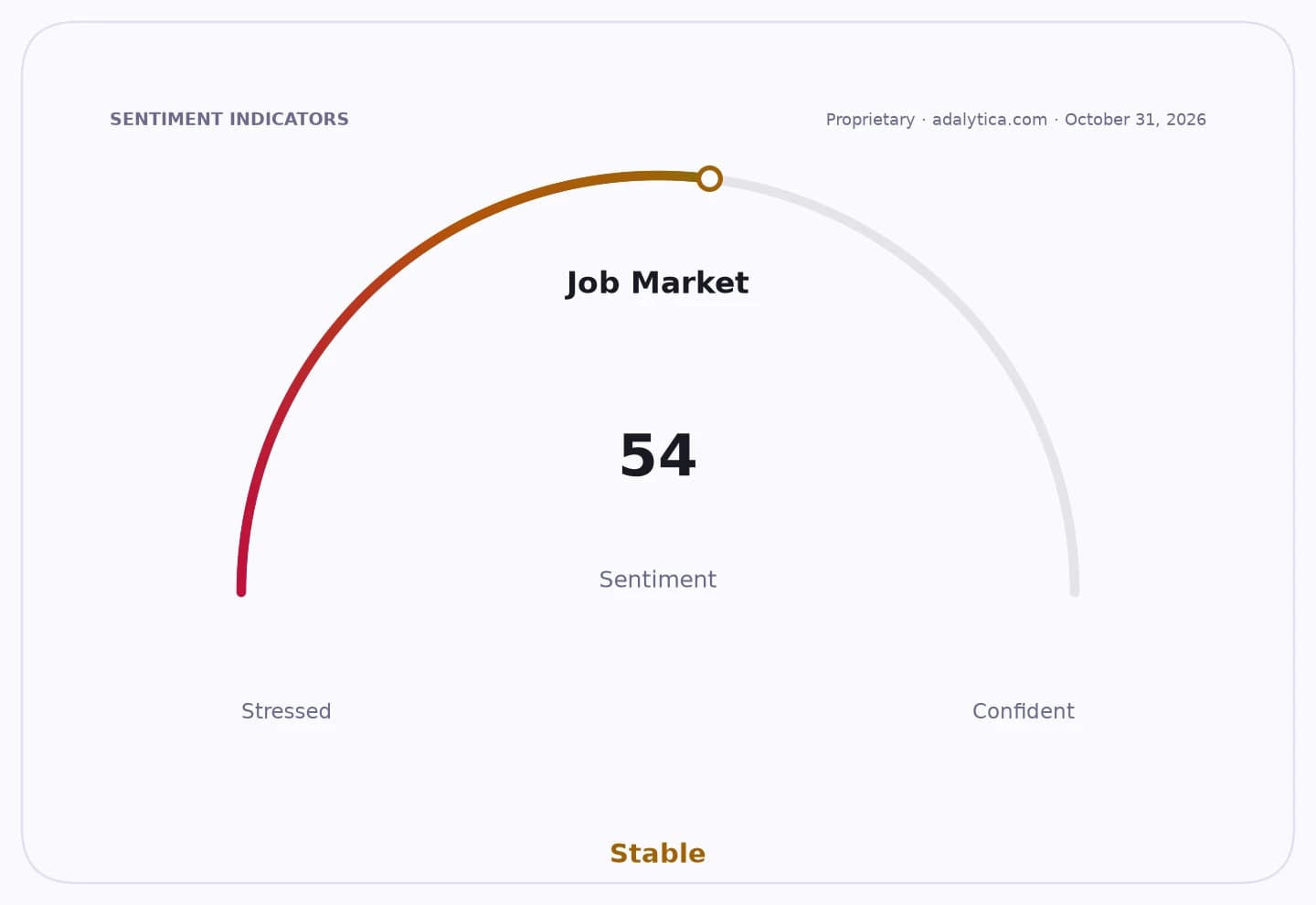
Sentiment Indicators

The report, published on Tuesday, points to a labour market that remains structurally short of the right skills even as broader economic conditions soften. That combination can be awkward for policymakers: if firms cannot hire enough qualified staff, growth can undershoot potential even when demand is still healthy. It also helps explain why employers and industry groups have pushed for more active recruitment from overseas, including outside the EU’s free-movement labour pool.
For investors, the implication is that wages and recruitment costs may stay elevated in the most labour-intensive parts of the economy, while sectors with chronic skill gaps could see delayed hiring, slower project execution and tighter capacity. That is particularly relevant for multinational employers weighing Ireland as a location for technology, services and advanced manufacturing roles that require specialised staff.
Job Market
There is a second-order market effect as well. A labour market that depends more heavily on non-EU permits can support employment and consumption in the near term, but it also makes the economy more exposed to policy bottlenecks around visas, housing availability and integration capacity. If those frictions worsen, the shortage can become self-reinforcing.
The longer-term bullish case is that imported labour helps Ireland protect growth and preserve its appeal as a business hub. The bearish case is that reliance on foreign workers is a symptom of deeper mismatches in domestic training, housing and participation that could continue to cap the economy’s productive capacity.
| Entity | Gains | Losses |
|---|---|---|
| Irish employers | ▲access to scarce skills | ▼higher hiring complexity |
| Non-EU workers | ▲more job opportunities | ▼visa and relocation hurdles |
| Ireland’s economy | ▲sustained labour supply | ▼pressure from structural shortages |
| Domestic workers | ▲possible upskilling demand | ▼competition in tighter labour market |