Russians were reminded that August utility bills must be paid by 15 September, a deadline that matters because missed payments can quickly turn into household debt and, eventually, higher collection costs for suppliers and local authorities.
Russia utility bills due by Sept. 15
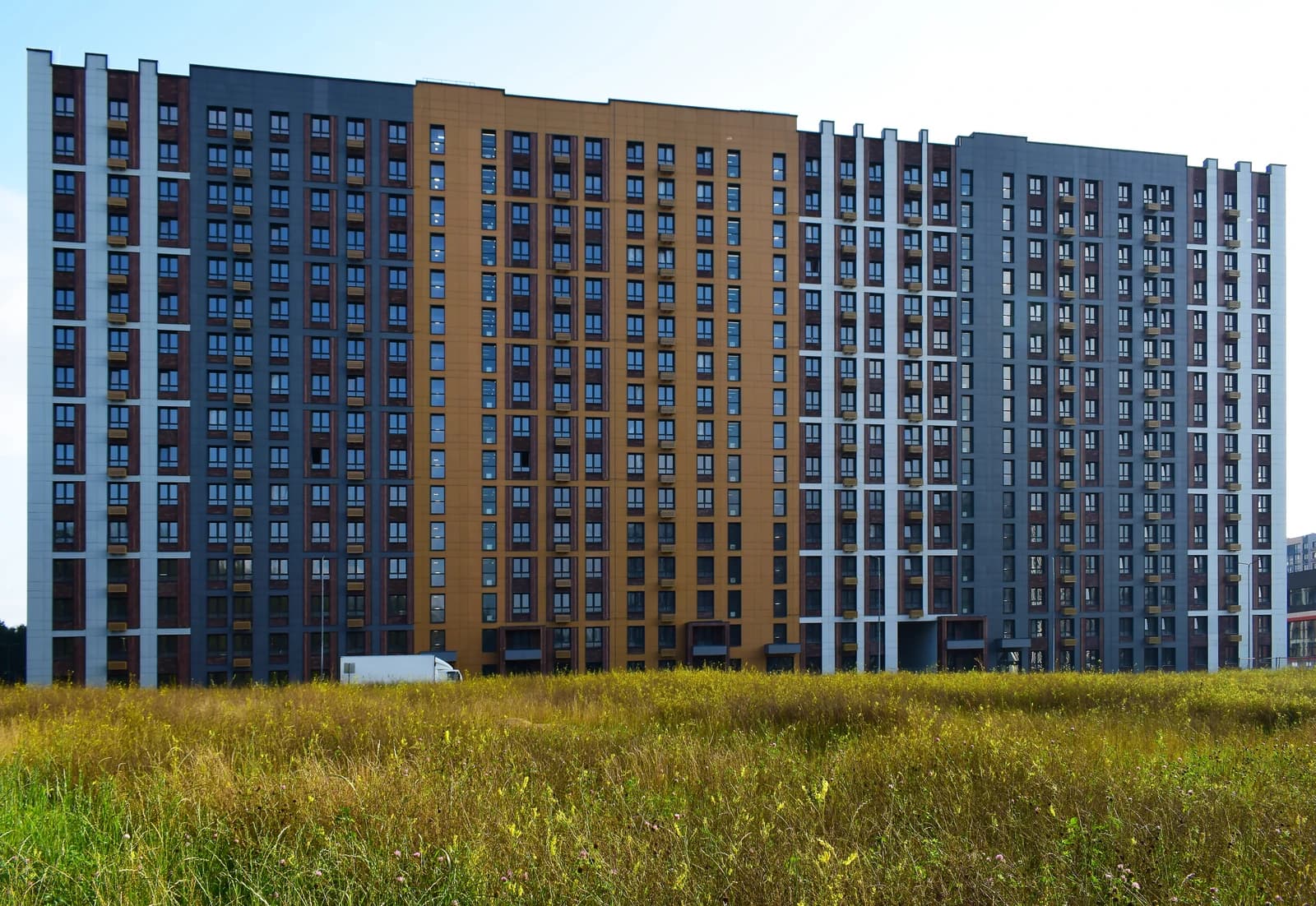
The reminder comes after Russia changed the payment schedule on 1 March, extending the standard due date for housing and коммунальные services from the 10th to the 15th of each month. Lawmaker Alexander Yakubovsky said the extra five days were meant to reduce short-term delinquency for people paid after the 10th, making it easier to avoid accidental arrears.
That matters economically because utility payments are one of the most regular cash flows in the household economy. When payments slip, even briefly, the burden shifts to providers that still must finance maintenance, staffing and network operations. For consumers, the risk is not only a late bill but debt that can compound once penalties begin.
Under the current rules, penalties do not start immediately. They are charged from the 31st day after the payment deadline, giving households a short cushion before the cost of non-payment rises. The structure is designed to reduce accidental defaults, but it also means a missed due date can still become a longer-running financial problem if households remain under pressure.
For investors and creditors, the broader signal is that household utility affordability remains a live issue in Russia, even as authorities try to make billing more forgiving. Stable collection rates support cash flow for municipal service providers, energy suppliers and housing managers. Any weakening in payment discipline can feed through to receivables, working capital needs and, in some cases, pressure on service quality or tariff policy.
The reminder also fits a wider backdrop of rising household energy costs and tighter scrutiny of utility finances across markets. While this specific case is administrative rather than market-moving, it underscores a common policy challenge: preserving payment discipline without pushing more consumers into arrears.
For now, the key date is straightforward. August utility bills should be paid no later than 15 September. Beyond that, the economic impact depends on whether Russian households can absorb another routine expense without slipping into overdue balances.
| Entity | Gains | Losses |
|---|---|---|
| Households paid after the 10th | ▲More time to pay | ▼Risk of arrears if they miss 15 September |
| Utility providers | ▲Better on-time collection | ▼Higher receivables if payments slip |
| Local authorities | ▲Fewer accidental delinquencies | ▼More administrative follow-up if debt grows |
| Consumers under strain | ▲Short grace period | ▼Penalties after the deadline |