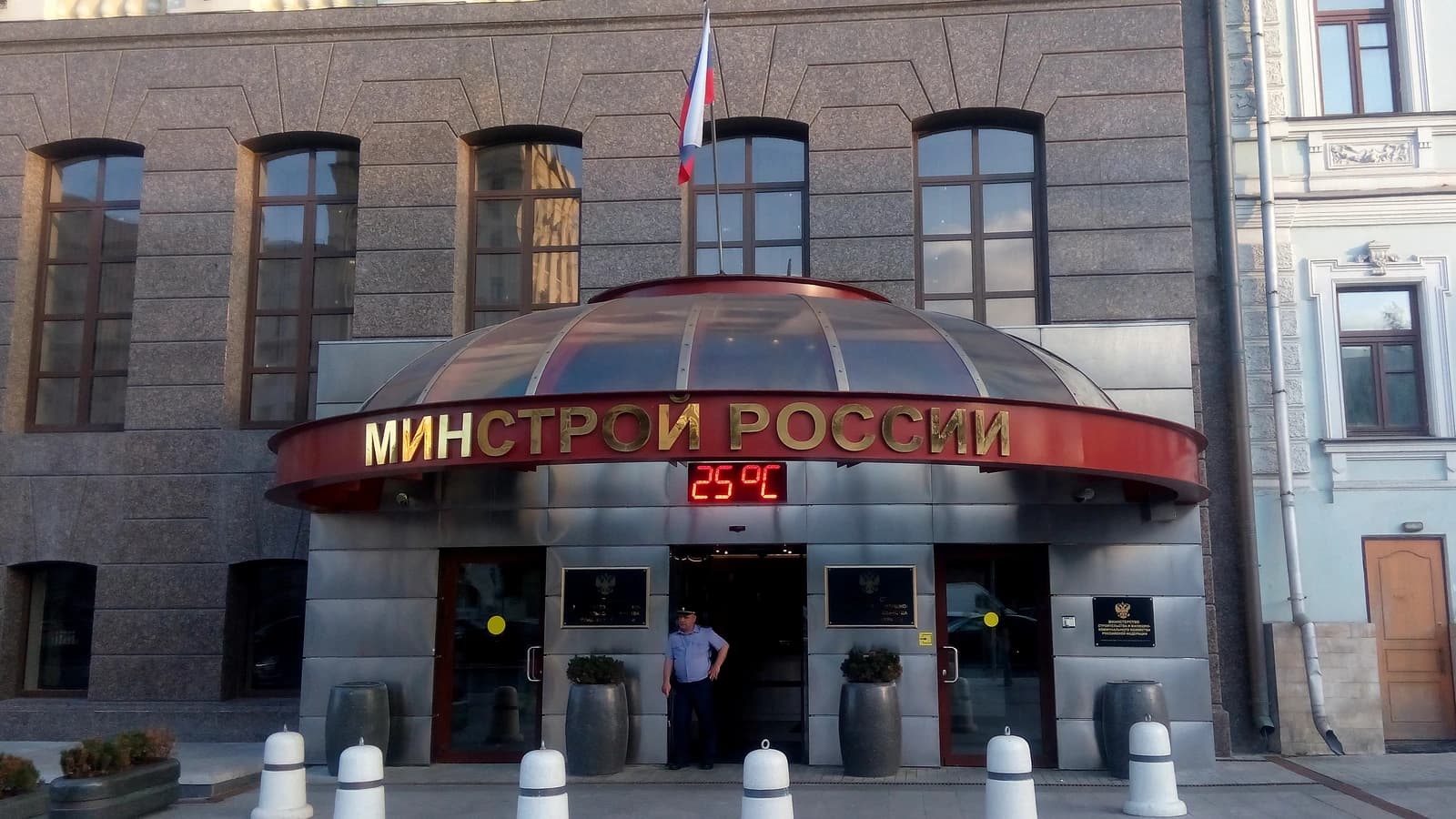
Russian households facing heavy utility bills could qualify for a government subsidy, a reminder that household energy and housing costs remain a live pressure point for consumers and local budgets even as Moscow tries to cushion the blow.
Russia utility subsidy eligibility rules explained
The key economic point is simple: when spending on housing and communal services takes too much of a family’s income, the state may step in and help cover part of the cost. That matters because utility bills are one of the most unavoidable fixed expenses for households, and relief here can free up cash for food, transport and other spending that keeps local economies moving.
Deputy Alexei Govyrin said eligibility is based on a formula that compares a family’s income with regional standards for utility costs, housing size and the share of income that can go to housing and communal services. The federal ceiling for the maximum burden is 22%, but regions set their own thresholds when awarding subsidies. In Moscow, for example, the bar is 10% for per-capita income above 2,500 rubles, 6% for income between 2,000 and 2,500 rubles, and 3% for income between 800 and 2,000 rubles.
For investors and economists, the bigger story is not the subsidy itself but what it says about household resilience in Russia. When the government has to formalize relief for utility costs, it suggests that affordability remains an issue for lower-income families. That can weigh on private consumption, support demand for state aid and keep pressure on regional finances, especially if more households qualify during periods of weaker real incomes.
The subsidy is granted for six months and can be renewed based on updated information, which gives the program a recurring character rather than a one-off payment. That makes it relevant to public spending trends and to consumer spending patterns, because repeated support can stabilize near-term household budgets even if it does not solve the underlying affordability problem.
There is also a practical angle for markets watching Russian consumer behavior: utility support can help prevent a sharper drop in basic spending, but it does not create new growth. For long-term investors, the takeaway is that staples and essential-services demand may be more resilient than discretionary spending in an environment where the state is helping families meet fixed costs.
At the same time, the mention of scammers posing as utility company staff is a reminder that any subsidy or fee relief can attract fraud. That tends to add friction for households and administrators, and it underscores the importance of clear rules and verification as the program is extended.
For investors, the most useful lens is patience: policies that soften utility burdens can support consumption at the margin, but they are not a substitute for durable income growth. In a country where household budgets remain tight, anything that protects basic spending is worth watching, especially for clues about broader consumer stress and regional fiscal health.
| Entity | Gains | Losses |
|---|---|---|
| Low-income households | ▲Lower utility burden | ▼Less cash stress |
| Regional governments | ▲Better social stability | ▼Higher subsidy costs |
| Utility providers | ▲More timely bill payment | ▼Less room for price gains |
| Consumer spending | ▲Small support to basics | ▼Limited discretionary demand |