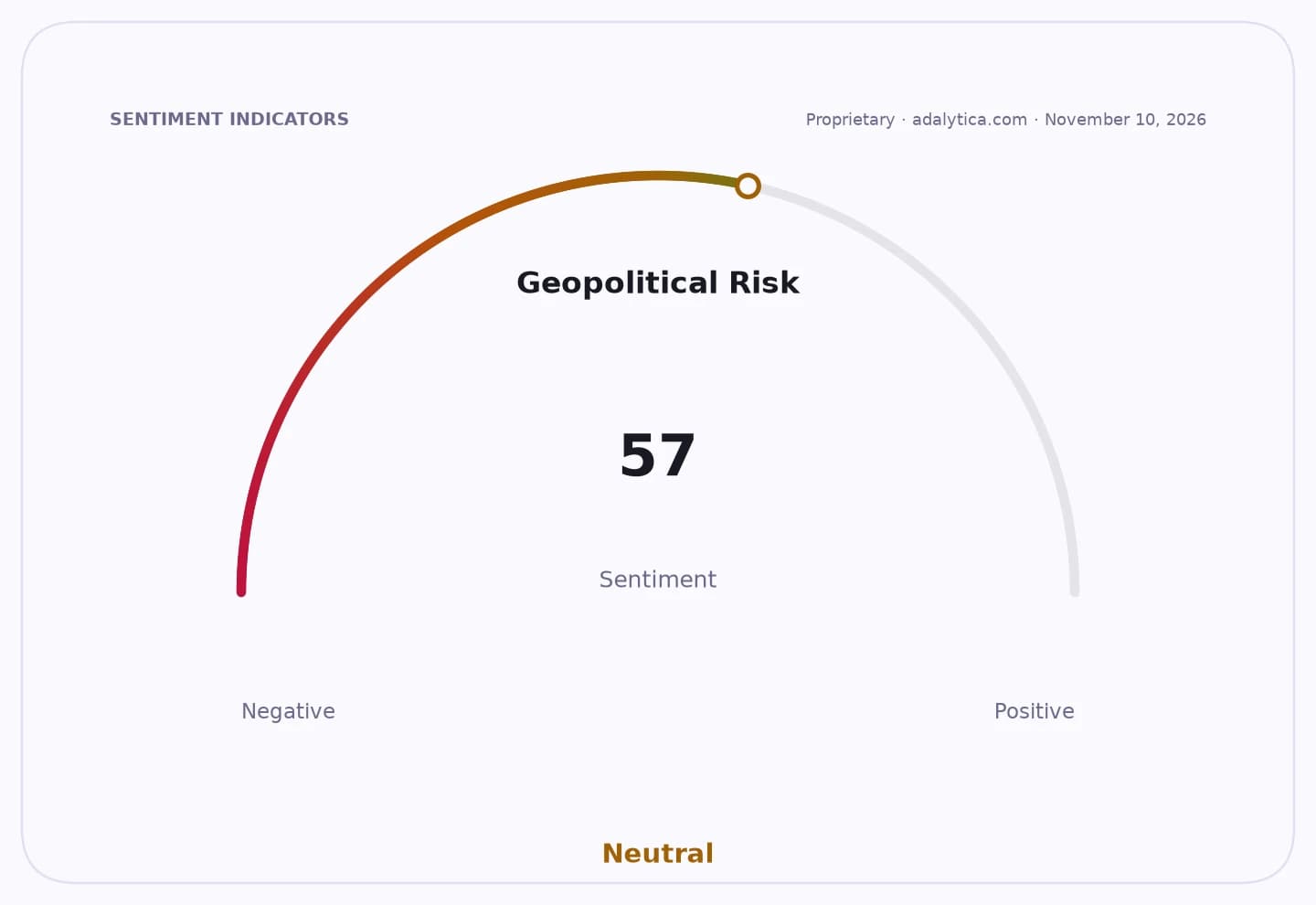
Russia’s move to ban retail vape sales across 17 regions is the latest sign that one of the world’s most contested nicotine markets is being pushed further toward prohibition, and that matters for tobacco investors because every new restriction narrows the legal runway for e-vapor growth while strengthening the case for cigarettes, oral nicotine and higher-priced regulated products.
Russia vape sales ban and tobacco stocks

The policy shift is economically meaningful because it does two things at once: it crimps a fast-growing category that had been absorbing consumer demand, and it raises the odds that enforcement spreads beyond regional pilots into broader national action. For tobacco groups, that means less visibility on the long-term mix shift into vapor and more pressure to defend volume through pricing, product substitution and illicit-market control.
The investment implications are immediate. Philip Morris International, Altria and British American Tobacco have all spent years trying to reposition around reduced-risk products, but their filings show the regulatory backdrop remains unstable across major markets. BAT has flagged that significant markets including Brazil, Canada, France, India, Mexico, Turkey, Australia, Thailand and Vietnam already prohibit or severely restrict some form of smokeless or vapor product, while Altria has warned of restrictions on nicotine sales, flavors and retail channels. Russia’s latest move adds another data point to a global pattern investors can’t ignore: the vapor category is still expanding, but regulators are moving faster than many valuation models assume.
The market’s mistake is to treat these bans as isolated public-health gestures. In practice, they alter capital allocation across the nicotine industry. The tighter the restrictions on vape retailing, the more the economics tilt toward established combustible portfolios, traditional oral products and compliance-heavy premium brands with scale to absorb shifting rules. Companies with large distribution networks and strong pricing power are better positioned than smaller vapor specialists exposed to abrupt licensing or sales bans.
There is also a second-order geopolitical angle. Russia’s crackdown sits inside a broader hardening of policy toward vapes, where authorities are increasingly linking the market to smuggling, youth access and even narcotics. That raises the probability of tougher enforcement, not just in Russia but in other jurisdictions looking for a model. For investors, that means the regulatory overhang on e-vapor is not a near-term headline risk — it is a structural discount rate on the category.
The takeaway is straightforward: this is a reminder to overweight the nicotine businesses with the strongest balance sheets, global compliance machinery and pricing power, while being far more cautious on pure-play vape exposure. The losers are the retailers and manufacturers tied to disposable and retail vape growth; the winners are the incumbents with the scale to profit from regulatory scarcity.
| Entity | Gains | Losses |
|---|---|---|
| Traditional cigarette makers | ▲Higher relative demand | ▼Slower vapor expansion |
| Oral nicotine brands | ▲Share gains | ▼Less category disruption |
| Vape retailers | ▲None | ▼Lost sales channel |
| Disposable vape makers | ▲None | ▼Tighter regulation |