Sabra Health Care REIT posted third-quarter revenue of $249.6 million, beating the $236.6 million FactSet estimate and reinforcing that the skilled nursing and senior-housing landlord is benefiting from steadier operating conditions than investors had feared.
Sabra Health Care REIT Beats Revenue Estimate
The print matters because health-care REITs are trading against a backdrop of still-elevated borrowing costs and a 10-year Treasury yield near 5%, which can pressure property valuations and make dividend yields less compelling versus bonds. For Sabra, a revenue beat suggests tenant collections and portfolio occupancy are holding up well enough to offset the drag from facility transitions and dispositions that have been weighing on reported results.
Sentiment Indicators
The stock had already been moving higher into the release, closing at $20.35 on Nov. 3, just above its 50-day moving average of $19.85 and 200-day average of $19.63. RSI readings around 63.8 and a MACD crossover back into positive territory point to improving near-term momentum, though the shares remain close enough to recent highs that investors will want confirmation in margins, cash flow and guidance.
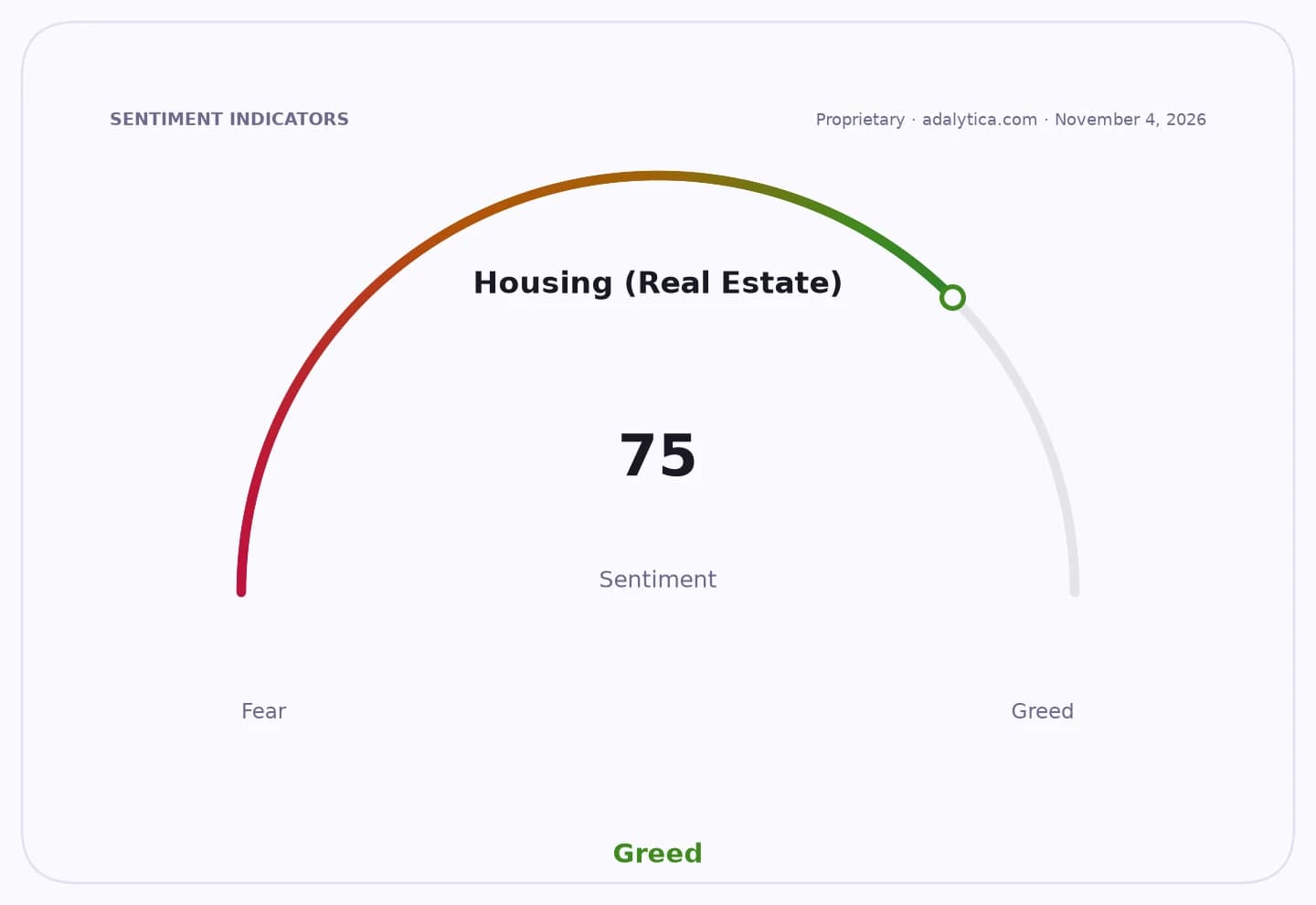
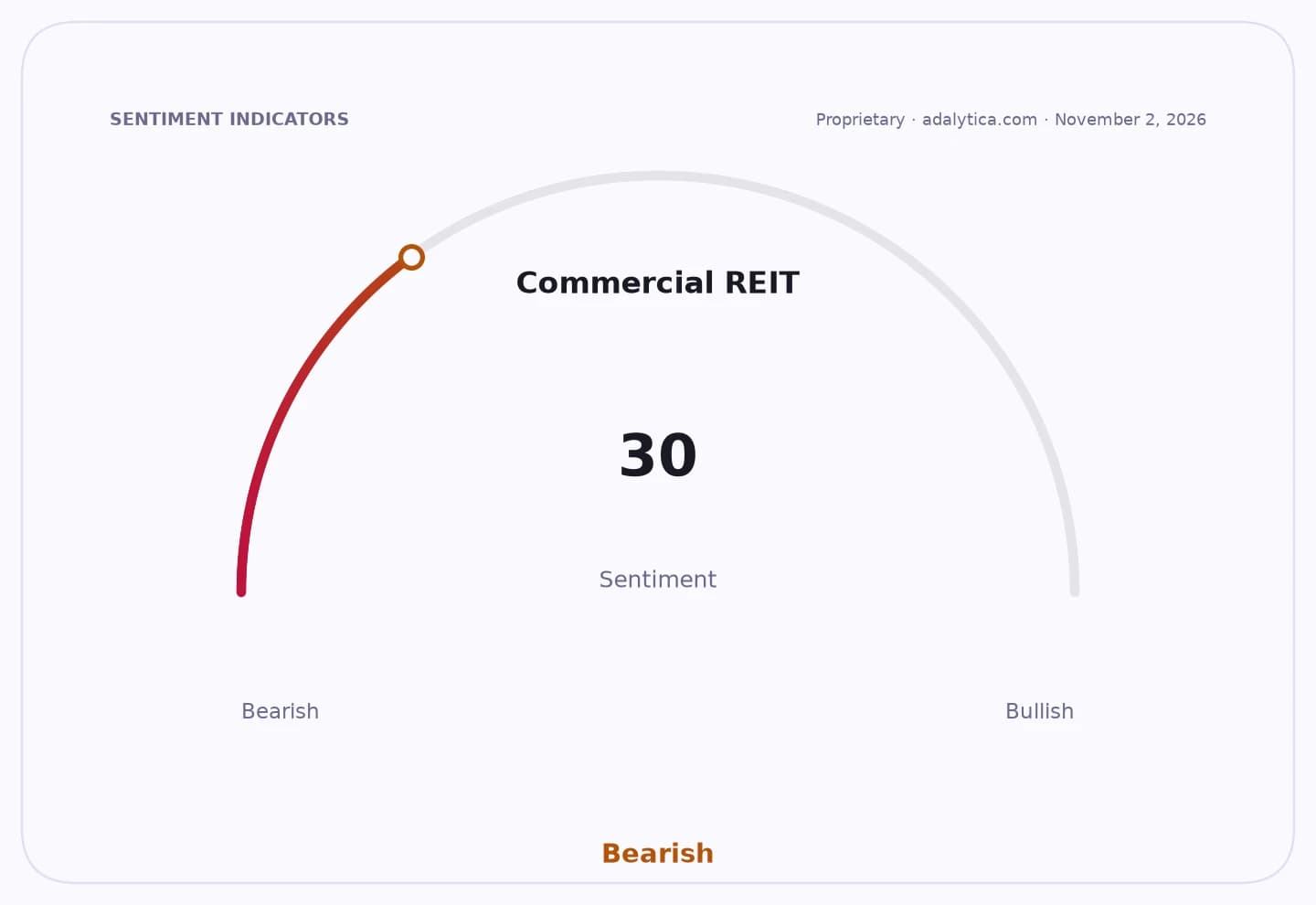
The result also lands in a sector that has been finding firmer footing. Housing-linked sentiment has improved sharply in recent weeks, while broader REIT earnings have been showing better-than-expected operating trends, suggesting investors are warming to income names even as rates stay restrictive.
For Sabra shareholders, the key question now is whether the revenue beat translates into stable or improving funds from operations and supports the dividend narrative that drives REIT valuations. The next catalyst will be management’s outlook on rent collections, tenant health and any guidance for 2027 as the market weighs whether higher-for-longer rates can coexist with a continued recovery in health-care property fundamentals.
| Entity | Gains | Losses |
|---|---|---|
| Sabra Health Care REIT | ▲Revenue beat, stronger sentiment | ▼Higher scrutiny on margins |
| SBRA bulls | ▲Momentum and valuation support | ▼Risk of guidance disappointment |
| Bond substitutes / Treasuries | ▲Less appealing yield comparison | ▼REIT income demand may improve |
| Tenants / operators | ▲Continued financing confidence | ▼Pressure to sustain rent payments |