Salesforce’s agent-force bookings are drawing skepticism because a growing share of the headline number may reflect account teams reshuffling enterprise license agreements rather than fresh demand, a risk that matters for how investors value the company’s AI push.
Salesforce AI bookings draw skepticism

That debate lands at a sensitive moment for the software group, which is pitching AI agents as the next major growth engine across its customer base. If bookings are being inflated by internal reallocations inside multiyear contracts, the metric becomes a weaker signal of net new monetization and a less reliable guide to future revenue.
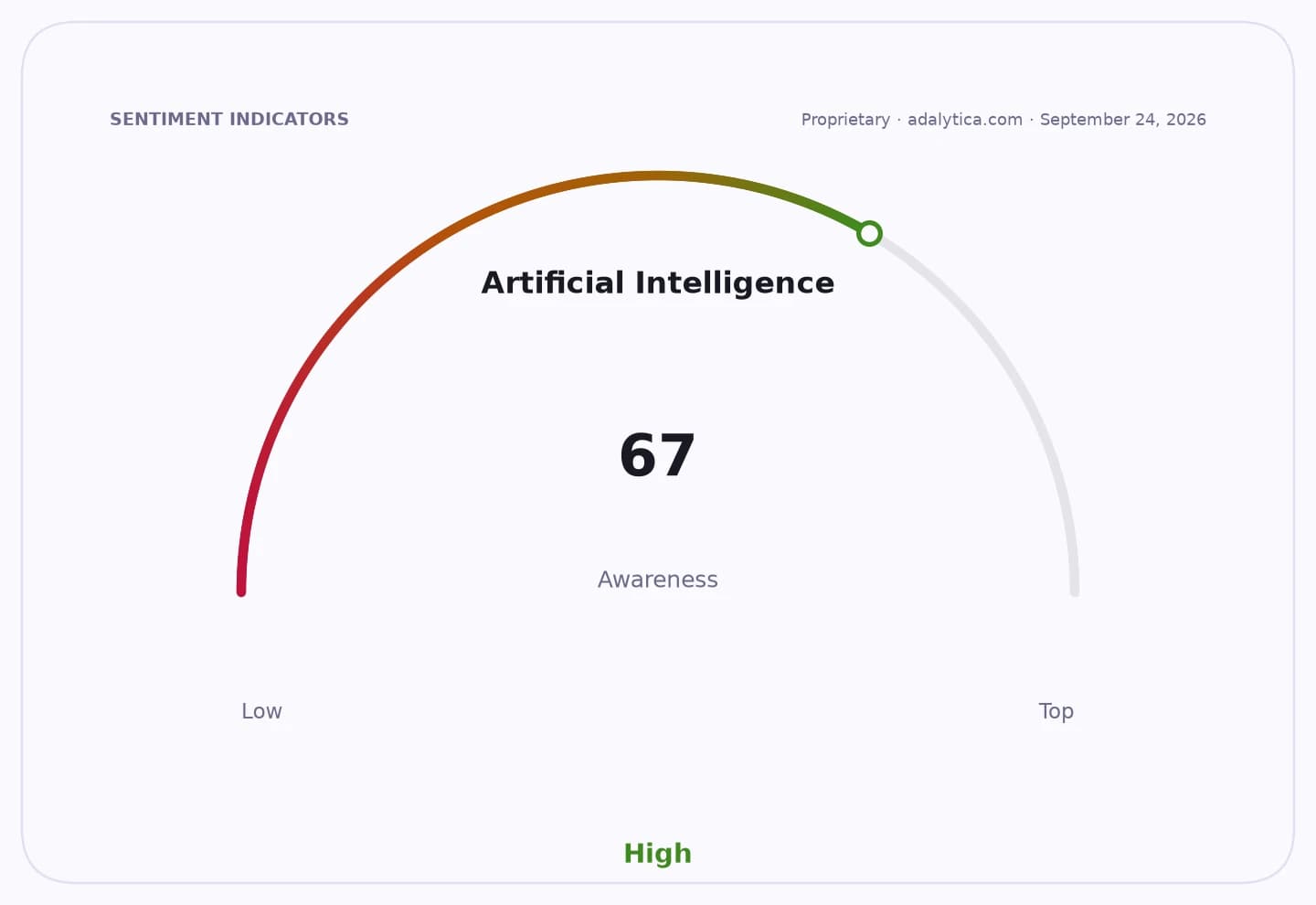
Sentiment IndicatorsⓘProprietary · adalytica.com · August 21, 2026
This is a snapshot — live sentiment, awareness and momentum for 130+ markets update continuously in the dashboard.Open AlphaPulse
Investors care because Salesforce trades on expectations that AI will accelerate growth and widen its competitive moat in enterprise software. When bookings are tied to contract engineering rather than incremental spending, it can delay the payoff investors are underwriting and raise questions about how much of the AI story is already embedded in current customer budgets.
The concern also echoes a broader pattern across large software vendors, where point-in-time revenue recognition and large enterprise agreements can obscure the pace of underlying demand. Microsoft and Oracle filings both show how much judgment and timing can affect reported results, especially when customers commit to broad, long-term arrangements that are later allocated across products, services and usage.
In the market, Salesforce shares are still trading well above the lows seen earlier this year, with the stock at $209.17 on Aug. 21 after recovering from a slide to $164.54 in April. But the stock remains below its 200-day moving average around $200, and momentum has turned positive only recently, leaving the valuation vulnerable if AI monetization proves slower or less organic than bulls expect.
Microsoft, by contrast, has seen sentiment around its own earnings stay firmly elevated, underscoring how closely investors are watching whether AI spending turns into clean, measurable revenue. Salesforce now faces the harder task of proving that its agent-force pipeline is producing genuine expansion rather than simply moving money inside existing enterprise license agreements.
The next catalyst is whether Salesforce can show that AI bookings convert into sustained growth in recurring revenue, not just bigger contract totals. Investors will be looking for details on customer adoption, renewal quality and the mix between new spend and internal budget shifts in the company’s next results.
| Entity | Gains | Losses |
|---|---|---|
| Salesforce bulls | ▲higher AI bookings narrative | ▼weaker credibility if bookings are reshuffled |
| Salesforce bears | ▲doubts about organic demand | ▼missing upside if AI adoption is real |
| Enterprise customers | ▲more AI features in existing contracts | ▼less pricing transparency |
| Microsoft / Oracle peers | ▲cleaner AI comparison backdrop | ▼scrutiny of large-license accounting |