Samsung’s older Galaxy phones can still command meaningful cash on the secondary market, but the payout falls sharply with age and condition, underscoring how fast smartphone value erodes once software support and hardware specs begin to lag.
Samsung Galaxy resale values fall with age

That matters for consumers because the resale value can help offset the cost of a new handset, and for investors because it speaks to the durability of Samsung’s premium brand and the liquidity of its installed base. In a market where Apple and Samsung remain the most readily resold phones, the gap between a 10-year-old model worth as little as $12 in trade-in and a current flagship that can still fetch more than $400 shows how much value remains concentrated in the newest devices.
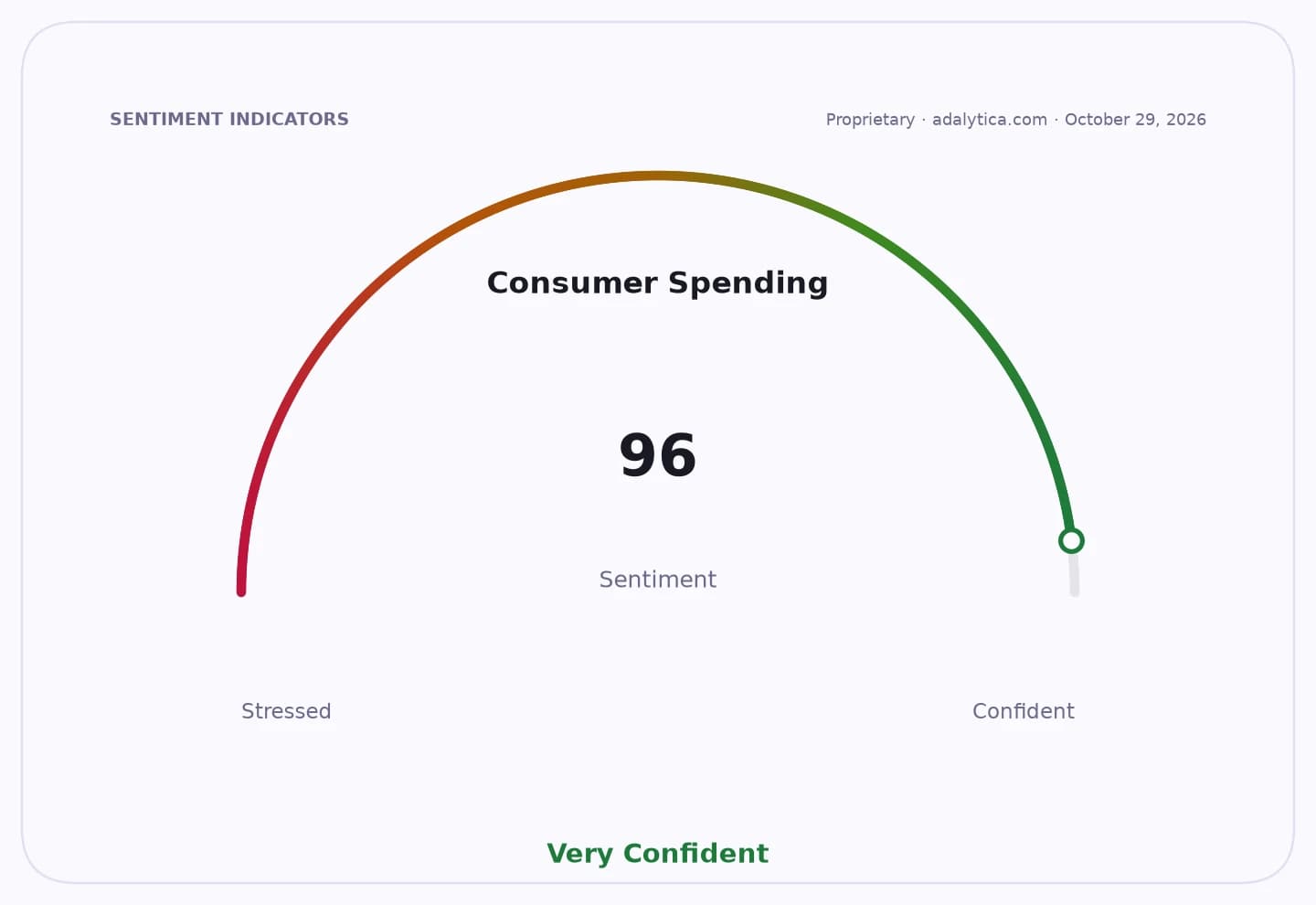
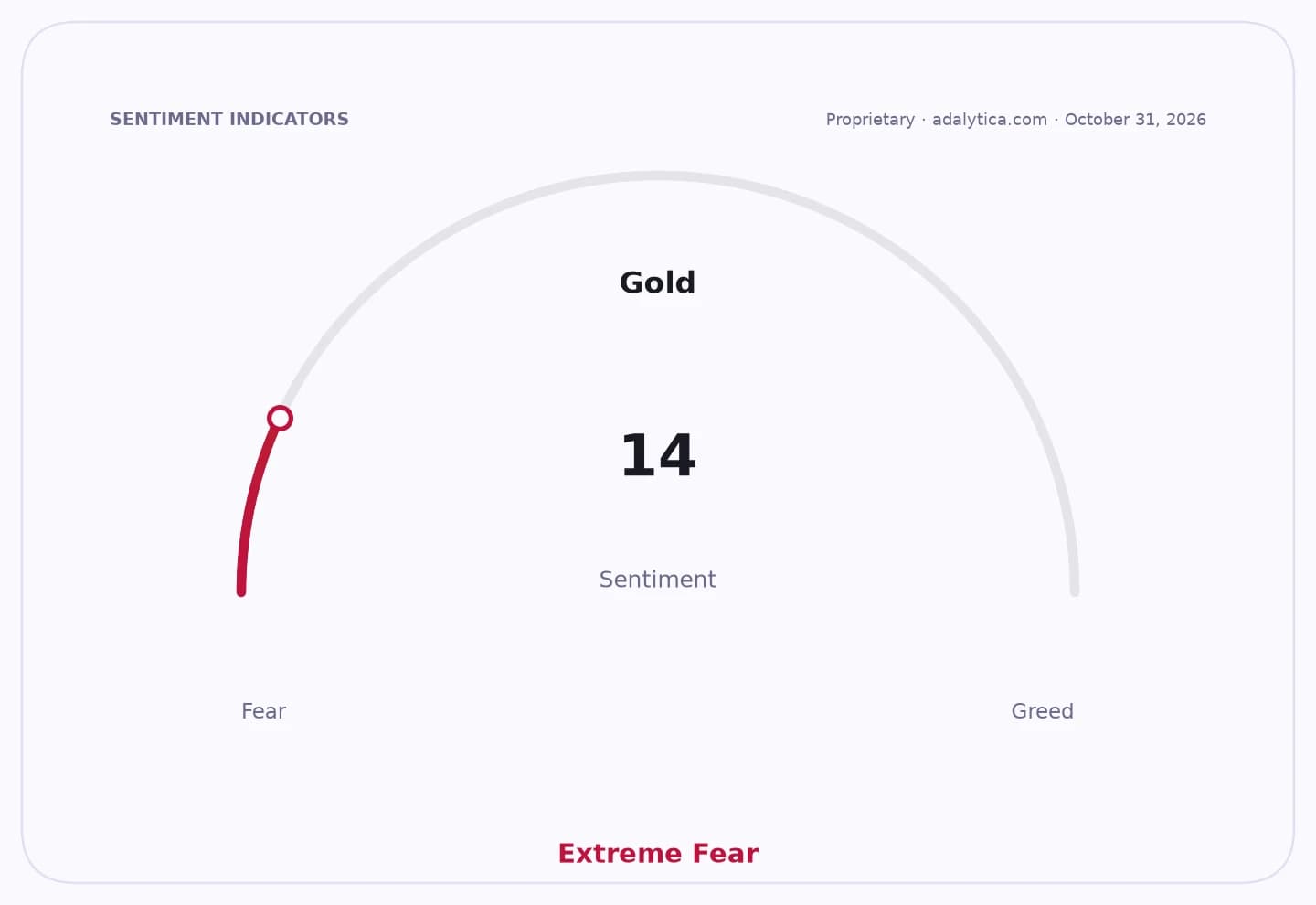
Sentiment Indicators

The key driver is depreciation. A Galaxy Note 5, released in 2015, can still bring about $30 to $70 on eBay depending on condition and whether it includes the S Pen, but trade-in offers may be closer to $12. By contrast, a Galaxy S23 Ultra in near-new condition can be valued at roughly $300 through trade-in and $350 to $455 or more on the open market. Models from the early 2020s, including the Note 20, Z Fold 4, Z Flip 4 and Galaxy S20 series, remain materially more valuable than older Note devices, with resale prices still ranging from about $80 to $280 and above.
Condition also matters more as devices age. Scratches, cracked screens and weak batteries can quickly wipe out resale value, which is why the best returns tend to go to phones kept in near-new shape. For buyers, that helps explain why the used market continues to prize Samsung’s higher-end models: cameras, stylus support and performance still matter, but longevity and software compatibility increasingly determine what a handset is worth.
The broader economic story is one of a maturing smartphone market where residual value has become part of the total ownership calculation. For Samsung, it reinforces the appeal of premium devices and trade-in programs that can support upgrades. For consumers, the message is more practical: if the phone is from the early 2020s or later, selling it may meaningfully defray a new purchase; if it is much older, the resale opportunity is limited unless there is a special promotion or collectible appeal.
| Entity | Gains | Losses |
|---|---|---|
| Samsung owners with newer Galaxy models | ▲Higher resale proceeds | ▼Faster depreciation after a few years |
| Samsung trade-in programs | ▲More upgrade activity | ▼Higher subsidy costs |
| Secondary-market buyers | ▲Cheaper access to premium phones | ▼Older devices lose value |
| Owners of older Note models | ▲Some residual cash value | ▼Low trade-in prices |