Farmers in Sangli are pressing sugar mills to pay Rs 3,850 a tonne as the final price for last season’s sugarcane, arguing that stronger sugar and ethanol realizations make the higher payout affordable for mills in Maharashtra’s southern sugar belt.
Sangli farmers demand Rs 3,850 cane price from mills
The demand matters because cane pricing sits at the center of cash flows for one of India’s most important farm-linked industries. Higher final cane prices would lift rural incomes in western Maharashtra, but they would also squeeze mill margins unless offset by better sugar sales, ethanol blending receipts or operating efficiency. The issue is especially sensitive in a state where cooperative mills play a major economic and political role and where delayed or contested payments can ripple through farm spending, local credit demand and election-time bargaining.
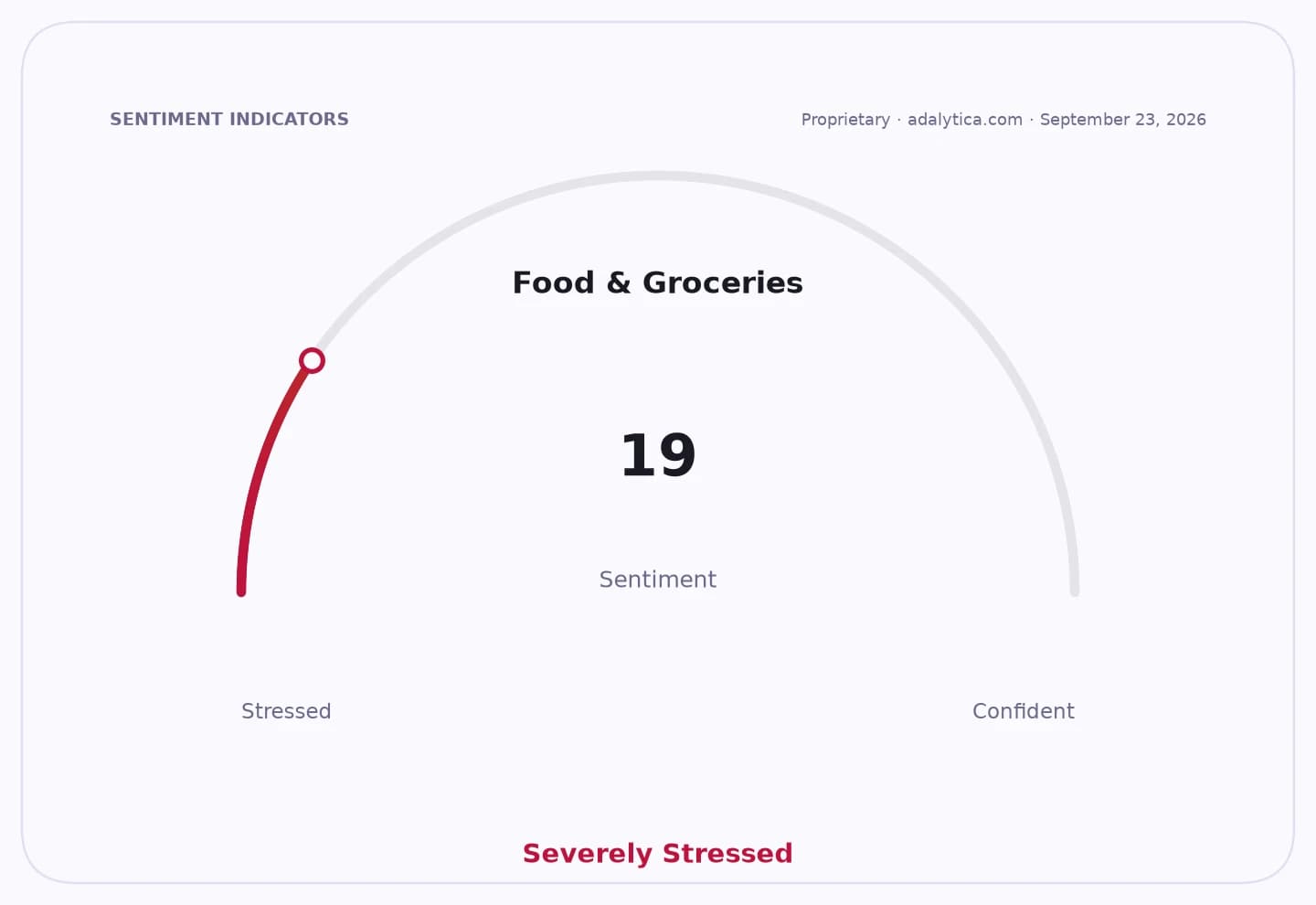
Sentiment IndicatorsⓘProprietary · adalytica.com · September 5, 2026
This is a snapshot — live sentiment, awareness and momentum for 130+ markets update continuously in the dashboard.Open AlphaPulse
At a meeting held on the birth anniversary of farm leader Sharad Joshi, the Shetkari Sanghatana decided to send written representations to all mills seeking the Rs 3,850-a-tonne payment. The group said factories with higher recovery rates in southern Maharashtra could follow Gujarat’s pricing model, implying that better-performing mills should be able to return more value to growers. Members also argued that ethanol has become an important support for cane economics, with distilleries helping mills monetize output beyond sugar alone.
For investors and lenders, the demand highlights the widening tension between farm-price expectations and balance-sheet realities across India’s sugar sector. Mills that have taken on fresh borrowing, such as Vasantdada factory’s reported Rs 254 crore loan, may find it harder to absorb a higher cane bill without tighter working capital or additional policy support. That could matter for banks with exposure to sugar cooperatives and for listed sugar-linked companies whose earnings depend on how much of the ethanol and sugar upcycle is retained versus passed on to growers.
The backdrop is a sector where policy, prices and weather remain closely linked. Higher ethanol offtake has improved the economics of cane processing, but mills still face volatility in sugar realizations, debt servicing and capex needs. Farmers, meanwhile, are trying to ensure that gains from value-added products are not concentrated at the mill level. The next catalyst will be whether factories accept the demand, resist it, or push the dispute into state-level negotiations over cane arrears and recovery-based pricing.
| Entity | Gains | Losses |
|---|---|---|
| Cane farmers | ▲Higher farm income | ▼Mills resist payout |
| Sugar mills with high recovery | ▲Stronger pricing power | ▼Higher cane bill |
| Banks/lenders | ▲More loan demand | ▼Higher credit risk |
| Ethanol-linked processors | ▲Better monetization of cane | ▼Smaller margin capture |