Paraguay’s move to begin returning frozen funds to injured savers after the collapse of Ueno Bank is the first real step toward containing a crisis that has already destroyed confidence in the country’s financial system and put political pressure on President Peña’s government.
Santander Chile and Bank of Chile gain on Paraguay scare
The immediate economic issue is not just compensation for depositors. It is whether authorities can stop a liquidity shock from becoming a broader credit event that crimps spending, hits agriculture and investment, and forces the state to shoulder losses that private banks could not absorb. With retirees and other savers still tied up in roughly $516 million of missing funds, each tranche of repayment matters because it restores a little trust to a system where trust is the asset that matters most.
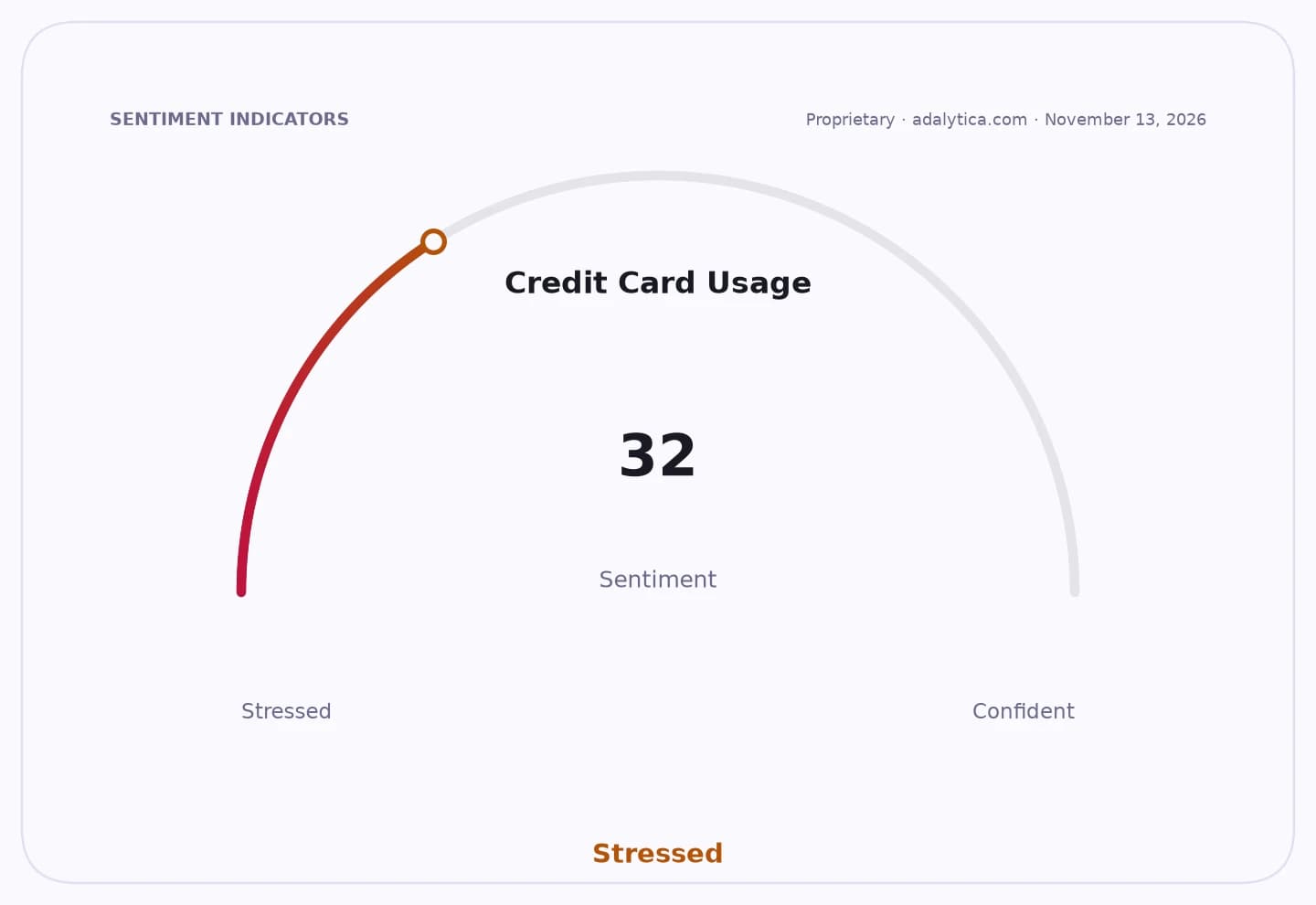
Sentiment Indicators
For investors, the story is less about Paraguay itself than about how capital reroutes after a banking scare. When one market’s deposit franchise is damaged, money does not vanish — it moves toward perceived balance sheets, stronger regulation and better currency stability. That is why the cleaner read-through is not the failed lender, but the regional banks that stand to gain if savers and corporates seek safer homes for cash.
Banco Santander-Chile and Bank of Chile have already shown relative resilience in the market, with both names holding above their 200-day moving averages even after a volatile year for Latin American financials. Santander Chile closed at 31.97 on Nov. 12, while Bank of Chile finished at 38.64, both still supported by price levels that suggest investors are treating them as defensive winners rather than crisis victims. Their recent trading has been steadier than the broader risk backdrop, and that matters when confidence in neighboring banking systems is under stress.
The macro backdrop also helps. The U.S. dollar has been flashing extreme-greed readings in Adalytica’s trade signals, a reminder that global capital is already favoring safety and liquidity. In that kind of environment, deposit-rich banks with stronger franchises can look like toll roads on fear. If the Paraguayan crisis pushes regional savers to reassess where their money sits, the beneficiaries are the institutions with scale, regulatory credibility and access to harder currency funding.
The bigger message is that banking crises rarely stay local. They expose the weakest balance sheets first, then reward the strongest ones with inflows, pricing power and better funding dynamics. If Paraguay’s repayments mark the beginning of a cleanup, the trade is not in the broken bank — it is in the regional lenders best positioned to absorb displaced deposits and lend into a more cautious market.
| Entity | Gains | Losses |
|---|---|---|
| Paraguayan savers | ▲Partial fund recovery | ▼Locked-up deposits |
| Ueno Bank estate | ▲Orderly wind-down | ▼Franchise value |
| Santander Chile | ▲Safe-haven inflows | ▼Little direct downside |
| Bank of Chile | ▲Deposit migration tailwind | ▼Regional risk premium |