The collapse of Ueno Bank and companies tied to the Grupo Vázquez has thrown more than 6,000 workers into immediate uncertainty, with payrolls cut off, severance in doubt and cash reportedly trapped inside the intervened lender.
Ueno Bank collapse leaves 6,000 workers at risk
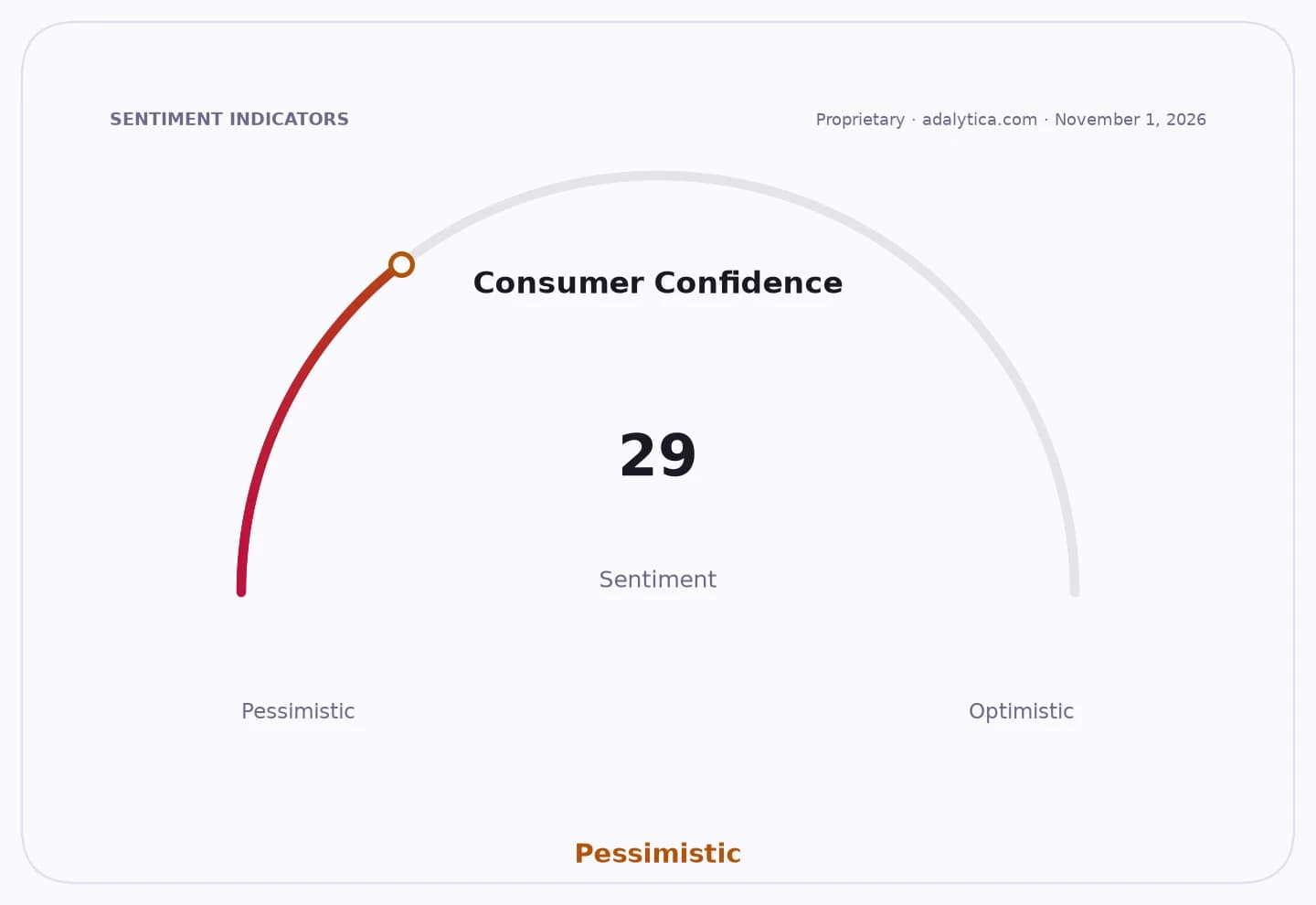
The fallout matters well beyond the labor market because it has turned a corporate failure into a broader stress event for households, small firms and the services economy. In a country where consumer spending is highly dependent on wages and year-end bonuses, the sudden loss of income risks hitting retail activity, debt repayment and medical coverage just as workers face the holiday season.
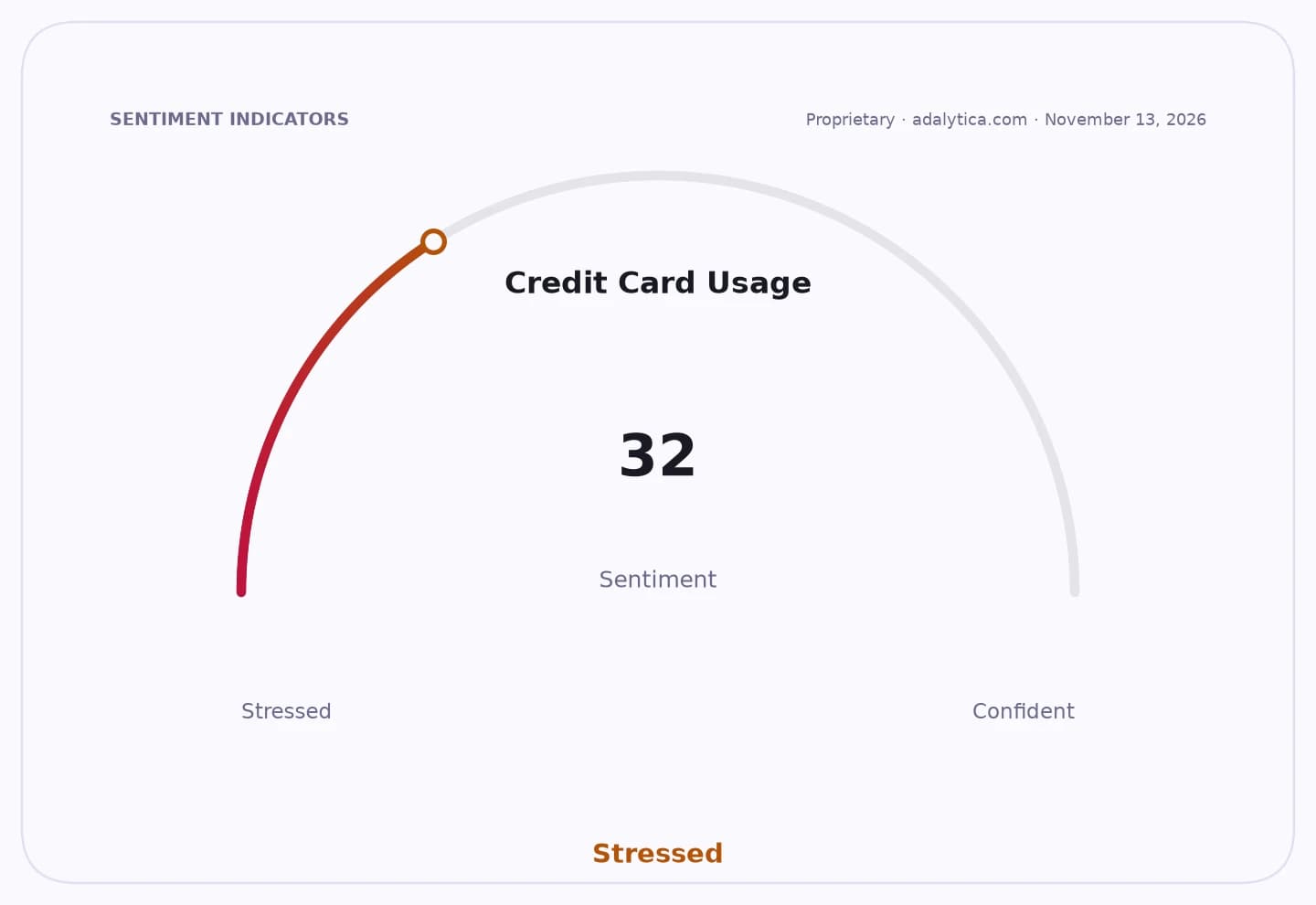
Sentiment Indicators
According to Paraguay’s Labor Ministry, the conglomerate employed more than 6,000 people at the time of the collapse. The group’s own website says it has more than 20 companies and over 5,500 employees, underscoring how deeply the shock runs through affiliated firms rather than a single bank.
For investors, the key issue is not only the direct damage to Ueno Bank and related entities, but the signal it sends about governance, liquidity and counterparty risk in a business group that had expanded across financial and commercial operations. Workers are now worried about final settlements, severance and pension contributions, while the ministry has warned it will conduct inspections and reject temporary suspensions if the companies fail to submit the required financial statements.
Labor Minister Mónica Recalde has also asked for specialized public defenders and an interagency task force, while the social security institute is being coordinated with to preserve medical coverage for affected employees. That response suggests the state is treating the episode as both a labor dispute and a systemic social risk, not just an isolated bankruptcy.
The most immediate economic consequence is likely to be a hit to local demand. Thousands of households losing wages at once can reduce spending on food, transport, retail and services, while unpaid obligations may spill over into delinquency and small-business cash flow. The concern is amplified by the loss of expected year-end bonuses, which are often important in Paraguay’s consumer economy.
At the same time, the crisis has triggered a rare show of private-sector solidarity. Small and medium-sized firms, as well as businesses in retail, food service and tourism, have started advertising job openings for displaced workers, while some are offering flexibility on payments to customers affected by the collapse. That may soften the social impact, but it also highlights how quickly labor dislocation can propagate through the wider economy when a large employer goes down.
The next test is whether the intervention can produce a clean accounting of assets, liabilities and employee claims. If the companies cannot prove solvency or meet labor obligations, the case could deepen into a longer restructuring battle and a cautionary tale for Paraguay’s corporate sector. For markets, the episode is a reminder that in emerging economies, a bank failure can quickly become a labor-market event, a consumer-spending shock and a governance story all at once.
| Entity | Gains | Losses |
|---|---|---|
| Displaced workers | ▲New job offers | ▼Wages and bonuses |
| Small and medium businesses | ▲Access to talent | ▼Pressure from wider slowdown |
| Ueno Bank / Grupo Vázquez | ▲None | ▼Reputation and control |
| Paraguayan consumers | ▲Support from solidarity measures | ▼Near-term spending power |