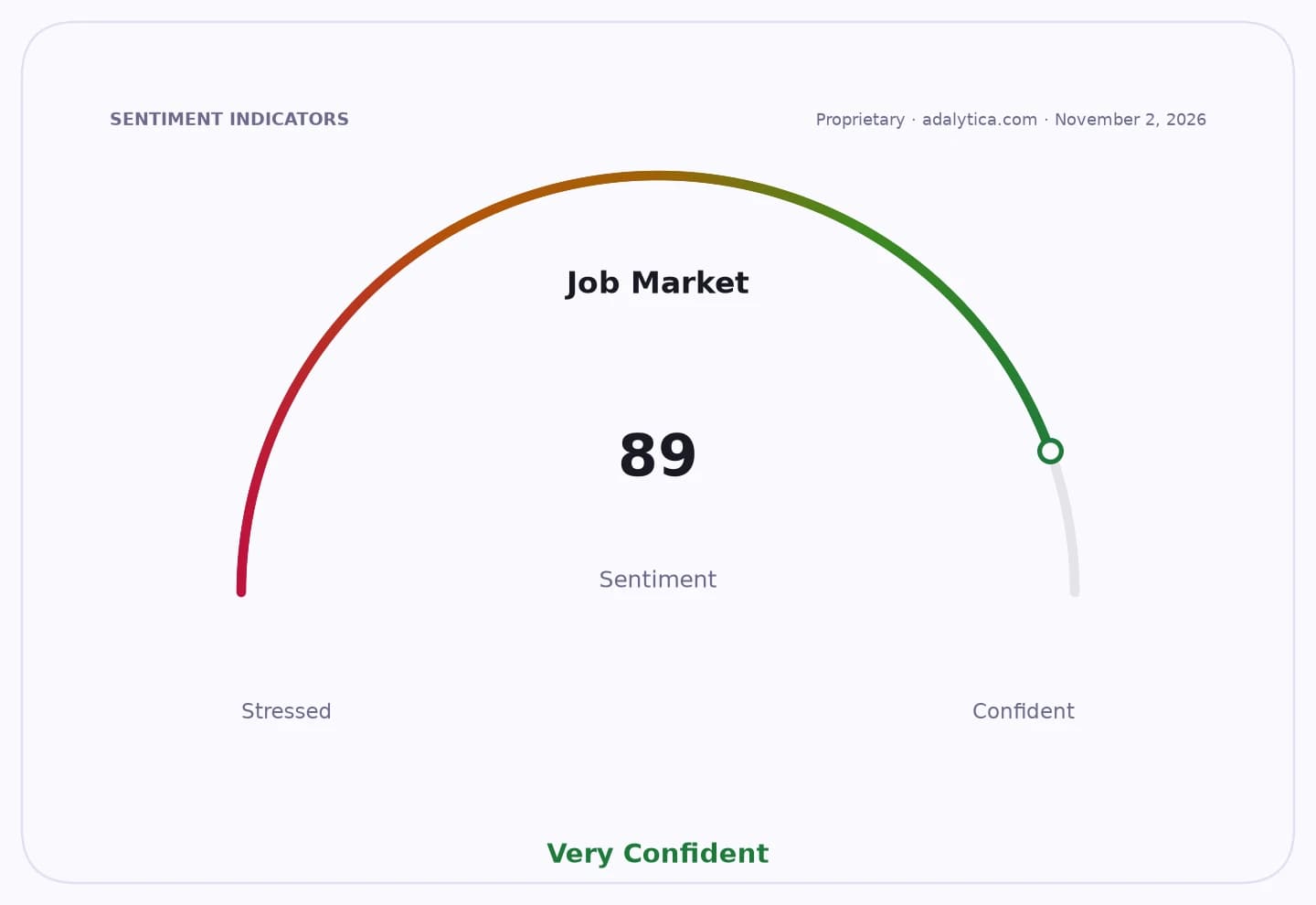
Argentina’s intelligence service drew more than 40,000 applications in its first 24 hours of recruiting, a striking signal of how tight — and still stressed — the labor market remains even as official unemployment falls to 7.9%.
Argentina SIDE draws 40,000 job applications
The flood of interest in the SIDE’s 2027 intake is important not because it says much about intelligence work itself, but because it underlines the depth of demand for formal employment in an economy where joblessness has eased to a record low under President Javier Milei while informality still hovers near 45%. When a security agency can generate 40,000 applications in a day, the story is not just institutional recruitment; it is the scale of labor-market pressure pushing workers toward stable state jobs.
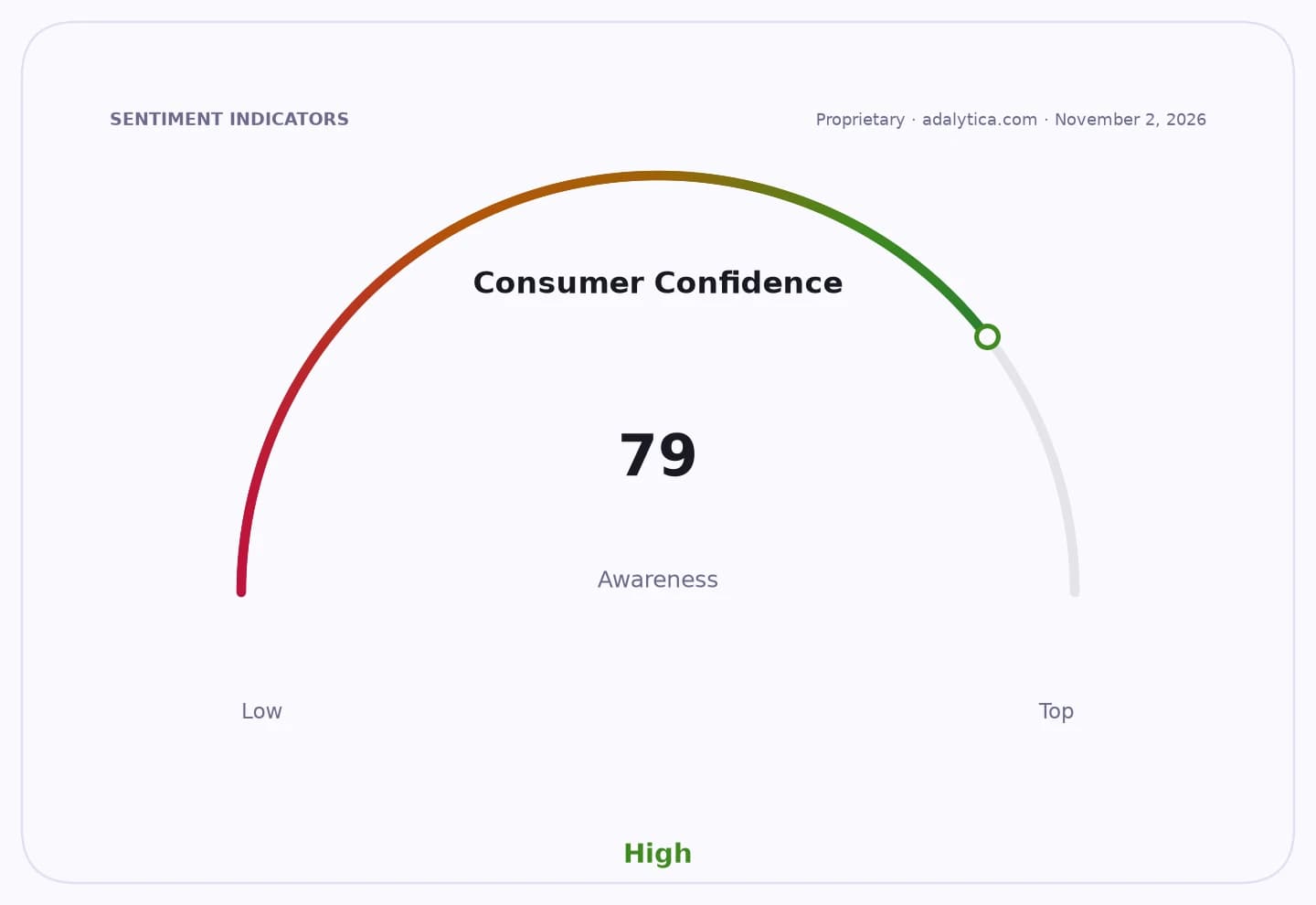
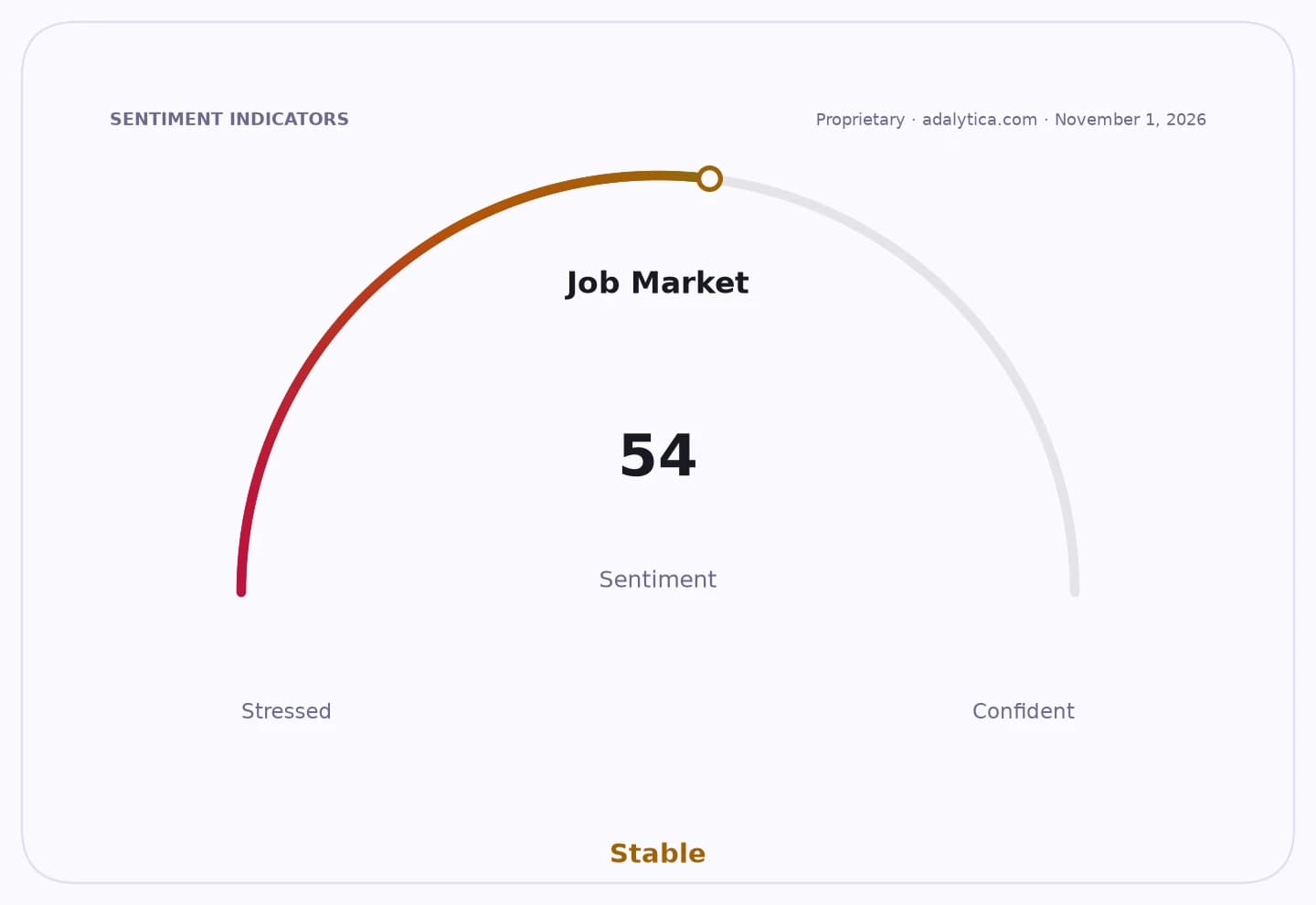
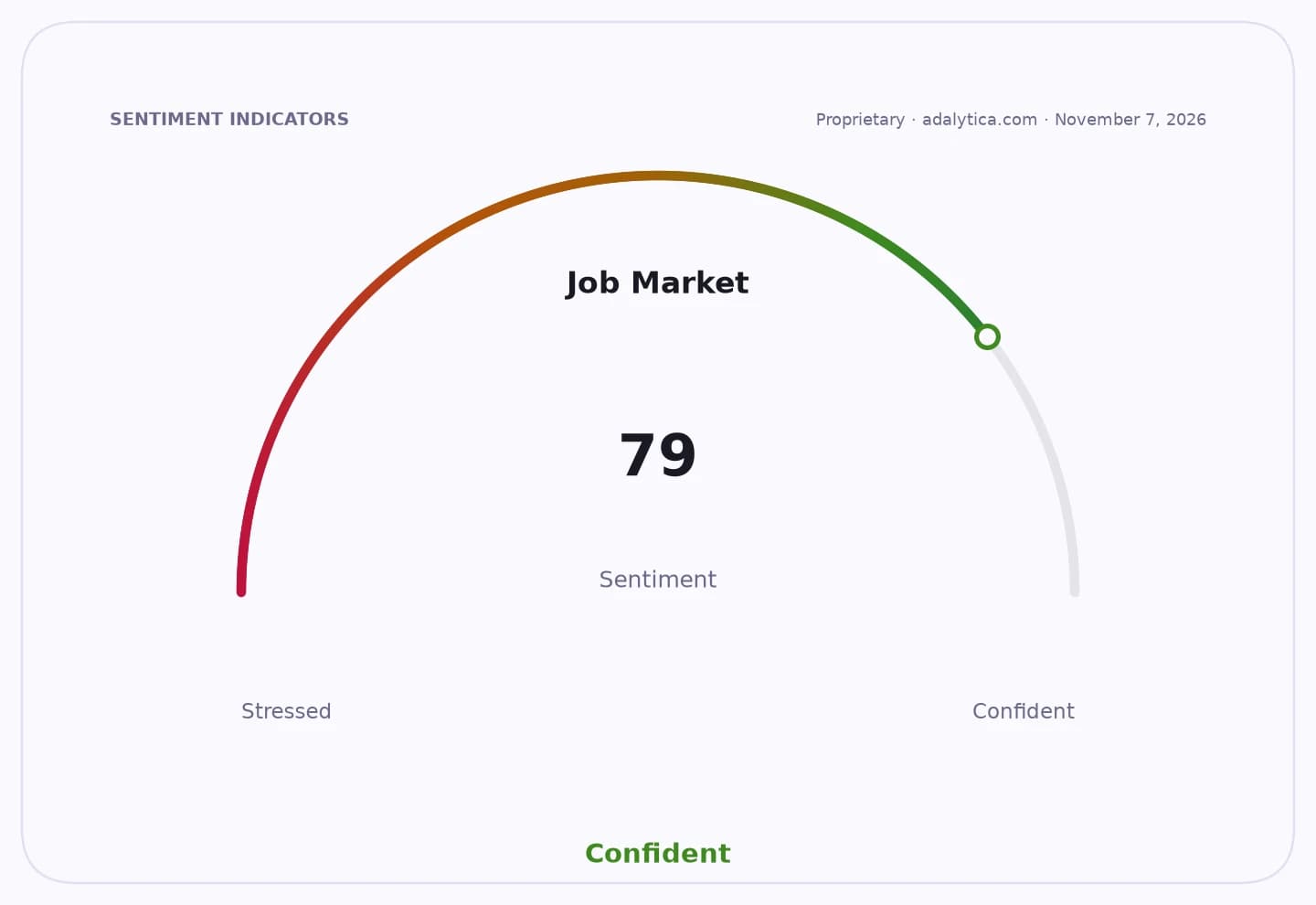
Sentiment Indicators
For policymakers, the numbers point to a labor market that is improving on headline unemployment but still leaves many Argentines outside secure, formal work. That gap matters economically because it shapes household income stability, tax collection and consumer spending, while also reinforcing the appeal of the public sector as one of the few sources of structured employment in an economy marked by volatility and weak private-sector hiring.
The SIDE said the vacancy drive will remain open until Nov. 30 and that it will review each profile before selecting candidates for the National Intelligence Corps. The agency also emphasized the strain of the job, warning of long hours, high demands and real risk. That may narrow the field, but it is unlikely to dent applications meaningfully given the scale of interest.
For investors, the labor backdrop is part of the broader macro picture around Argentina’s reform program. A lower unemployment rate is supportive for consumption and fiscal optics, but high informality and persistent job insecurity can limit spending power and complicate the political durability of austerity. The extreme demand for government posts is also a reminder that labor supply remains abundant relative to quality formal jobs, even as headline indicators improve.
The bull case is that tighter labor conditions and a more stable employment base could gradually support domestic demand if inflation continues to cool. The bear case is that the public-sector rush reflects not strength but scarcity — evidence that millions are still seeking shelter in state employment because the private economy has not generated enough formal opportunities.
What happens next will depend on whether lower unemployment starts translating into better-quality jobs, not just more jobs. If not, Argentina’s labor market may continue to look healthier in the data than it feels on the ground.
| Entity | Gains | Losses |
|---|---|---|
| SIDE / State | ▲Talent pool of applicants | ▼Higher screening burden |
| Job seekers | ▲Access to formal jobs | ▼Limited openings |
| Private sector employers | ▲— | ▼Compete for labor with state jobs |
| Milei government | ▲Better employment optics | ▼Evidence of labor-market fragility |