September’s jump in U.S. job openings to 7.52 million shows the labor market is still healthier than many investors feared, and that matters because a resilient jobs backdrop helps keep consumer spending, corporate revenue and the broader economy on firmer footing.
U.S. Job Openings Rise to 7.52 Million in September
Job Market
The Labor Department said vacancies rose by 333,000 from August, while layoffs fell by 127,000 to 1.63 million. Taken together, the report points to an economy that is not freezing up, even if hiring is no longer racing ahead. That balance is important: employers are still looking for workers, but they are being careful about adding headcount. For long-term investors, that usually means the U.S. expansion remains intact, even if growth is cooling from the post-pandemic boom.
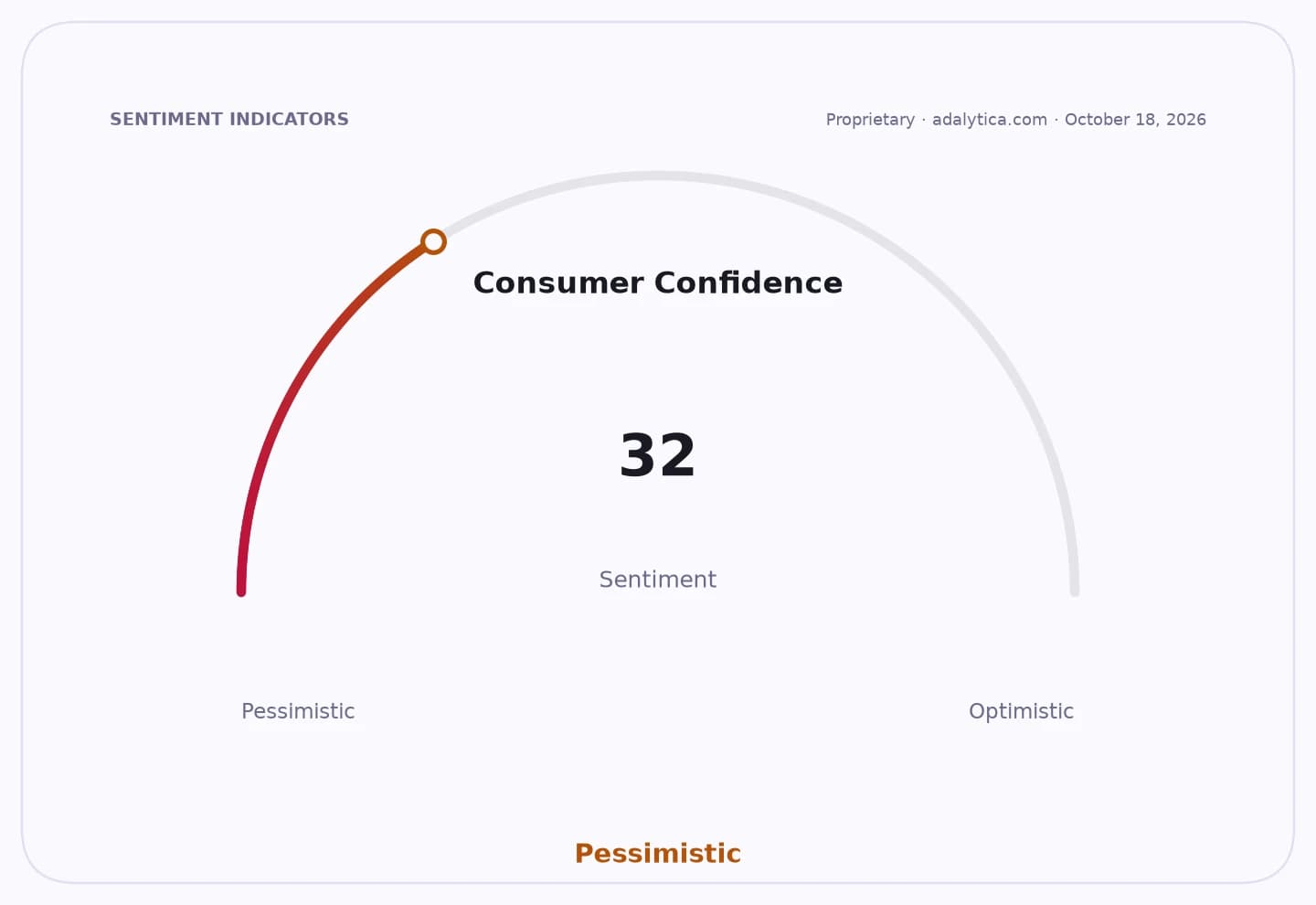
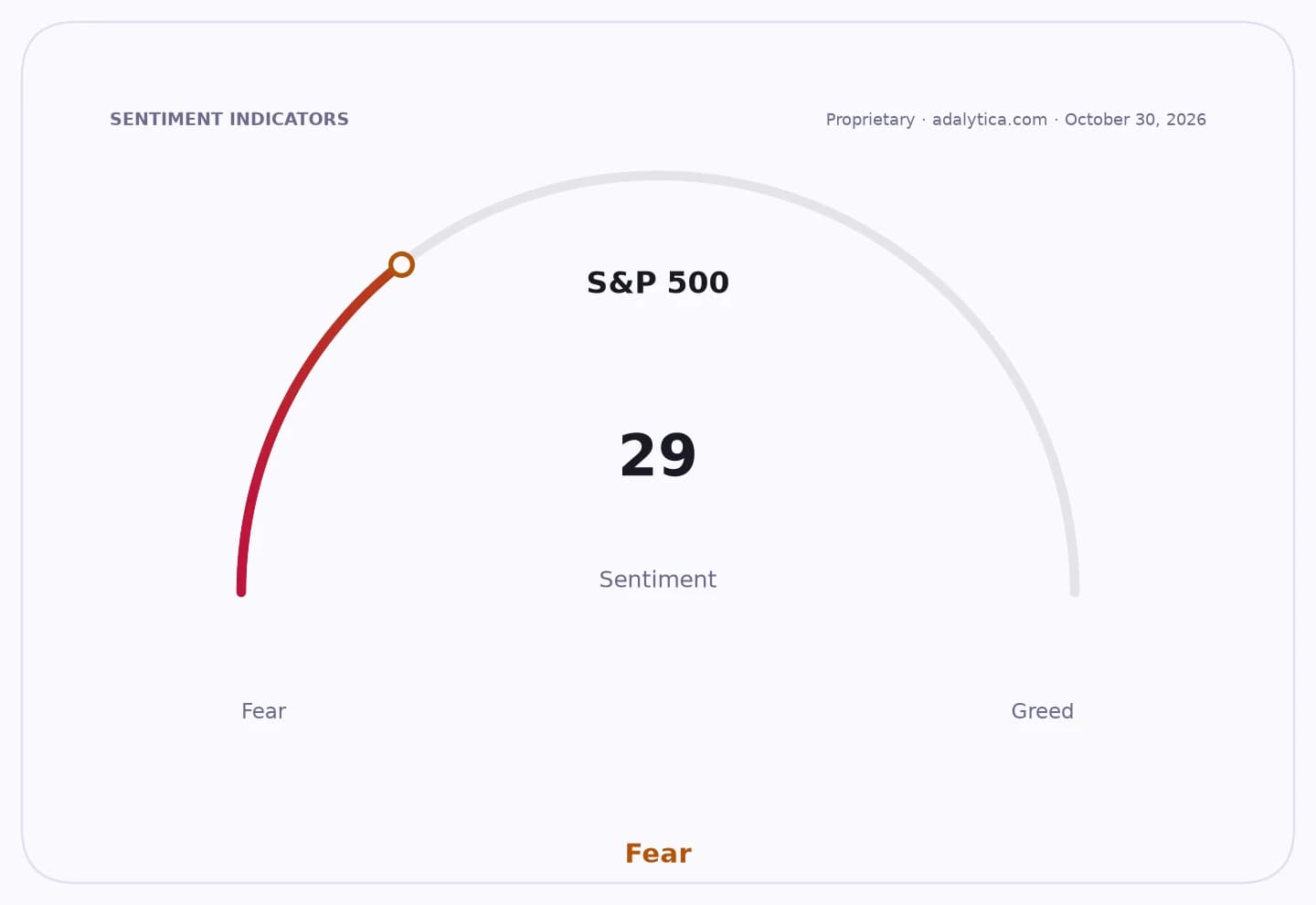
Sentiment Indicators
The data also helps explain why the labor market continues to support the equity market’s longer-term thesis. A jobs market with roughly 1.1 openings for every unemployed worker suggests demand for labor still exceeds supply, which tends to cushion incomes and household spending. That is good news for retailers, restaurants, travel companies and the broader consumer economy. It also keeps pressure on companies to compete for talent, which can support wage growth but squeeze margins if revenue slows.
The strength was concentrated in state and local government, professional and business services, and manufacturing, while healthcare and social assistance remained a huge source of open roles. Hiring, meanwhile, only edged higher to 5.40 million, showing businesses are advertising jobs without aggressively expanding payrolls. That is not a boom, but it is far from a downturn.
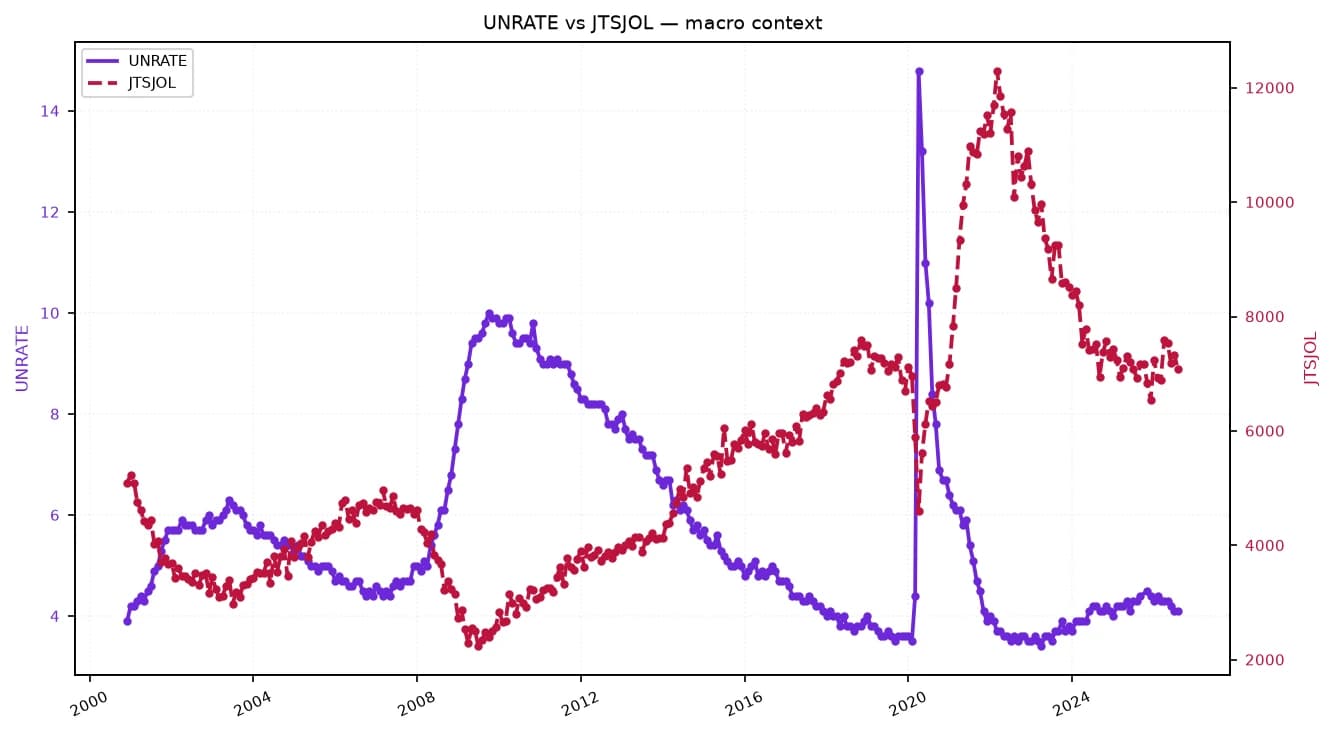
JTSJOL vs UNRATE — macro contextadalytica.com
Explore this data interactively — full history, time series and cross-market comparisons.
For investors, the key takeaway is that this kind of labor-market resilience usually argues against panic and for patience. It can support earnings for consumer-facing companies and service providers, while also giving the Federal Reserve less reason to rush into aggressive rate cuts. At the same time, if openings stay elevated and unemployment remains contained, the economy may avoid the sharper slowdown that typically hurts stocks.
That is why the report matters beyond one month of data. It says the U.S. economy still has underlying momentum, even if the pace is uneven. For long-term portfolios, that is the sort of backdrop that rewards staying invested in quality businesses tied to employment, spending and productivity, rather than trying to time every wiggle in the labor cycle.
| Entity | Gains | Losses |
|---|---|---|
| Workers seeking jobs | ▲More openings, better bargaining power | ▼None |
| Consumer-facing companies | ▲Supported spending and demand | ▼Higher labor competition |
| Employers | ▲Stable labor market, fewer layoffs | ▼Harder hiring, wage pressure |
| Fed and rate-cut bulls | ▲Less recession risk | ▼Fewer urgent cuts |