Egypt’s labor ministry has opened 6,349 private-sector vacancies at 46 companies, a fresh sign that employers are still hiring even as the country leans on labor-market support to absorb job seekers and keep household incomes moving.
Egypt labor ministry opens 6,349 private jobs
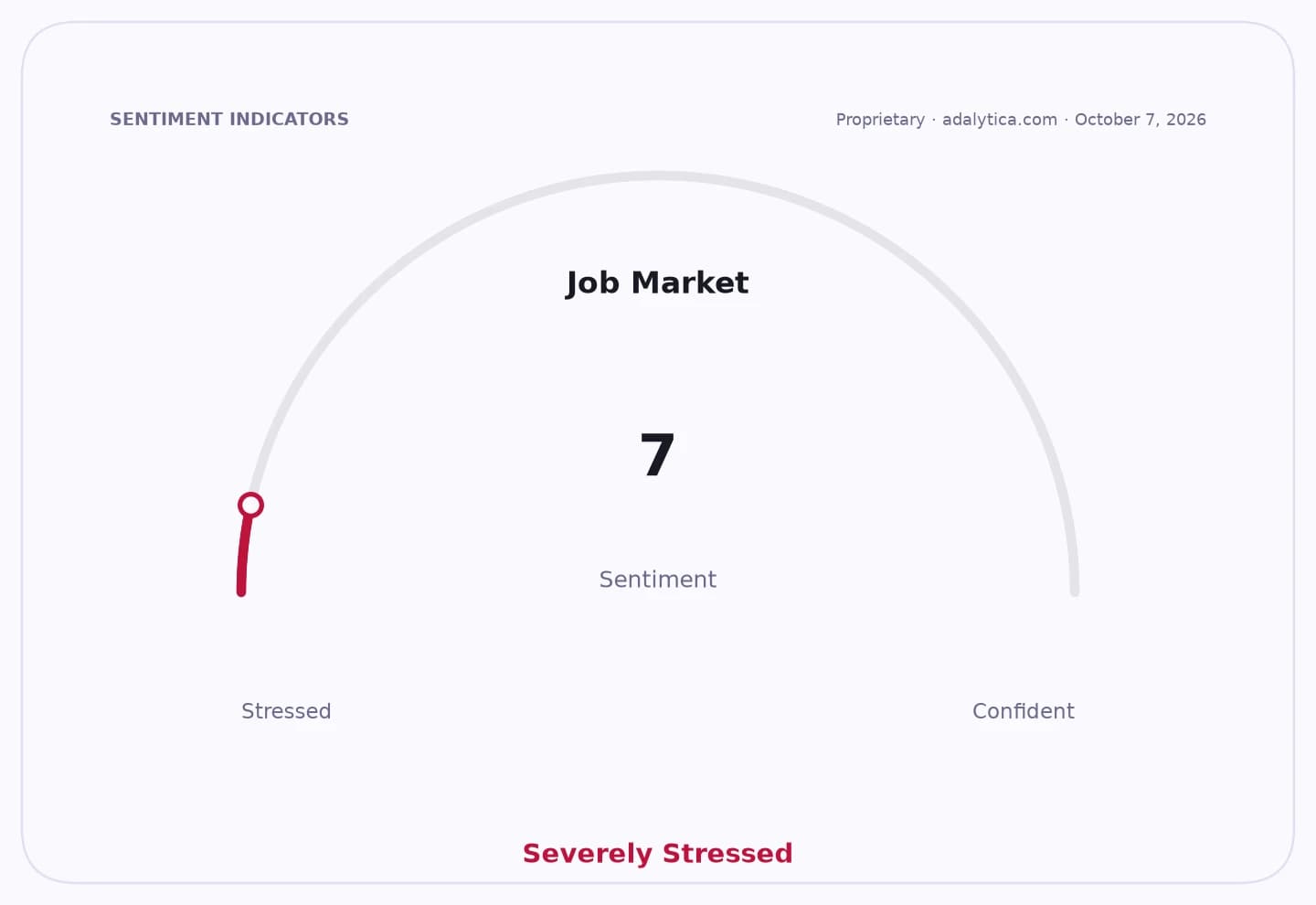
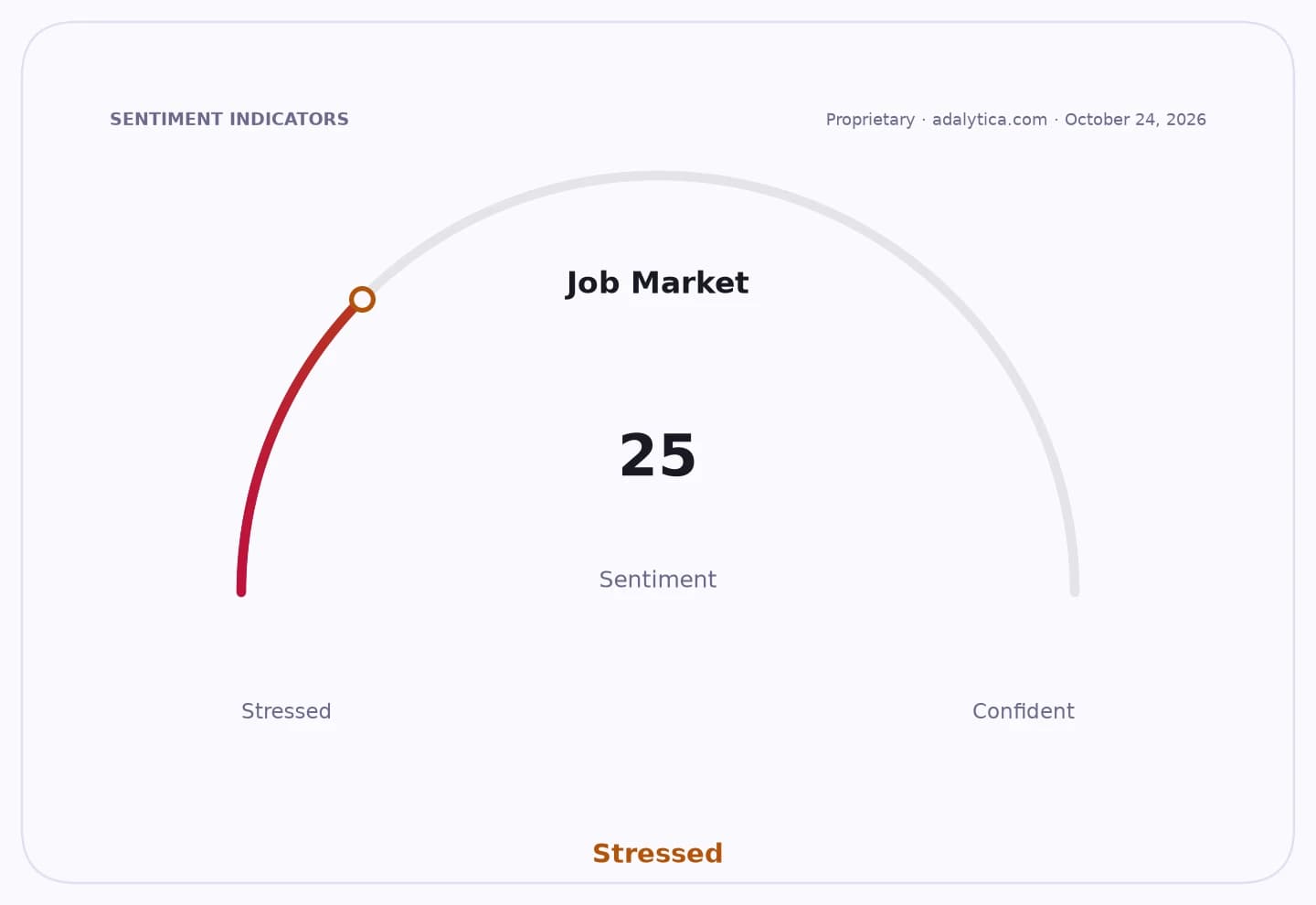
Job Market
The weekly job bulletin, unveiled by Labor Minister Hassan Raddad, spans 11 governorates including Cairo, Alexandria, Sharqia and Giza-adjacent industrial belts, underscoring how recruitment remains spread across the country rather than concentrated in one urban labor market. For Egypt, where unemployment and underemployment remain politically sensitive, the scale of the posting matters because each new hiring round offers a direct channel into formal work and a small but tangible boost to consumption.
Sentiment Indicators
Raddad said the ministry is working with the private sector to widen hiring pipelines while tying job placement more closely to vocational training and skills development. That matters economically because Egypt’s labor market has long struggled with a mismatch between available skills and employer demand, leaving many vacancies hard to fill and many job seekers stuck outside formal employment.
The ministry said it is also monitoring whether the advertised roles are genuine, whether companies comply with legal requirements and minimum wage rules, and whether workplaces are safe. For investors and employers, that points to a more active regulatory role in labor-market enforcement, which can improve job quality and reduce reputational risk, but also raises compliance expectations for private firms.
The announcement fits into a broader push by the state to present private companies as the main engine of job creation, with the government acting as broker, trainer and watchdog. That model matters for growth because sustained hiring supports domestic demand, helps stabilize incomes and can ease social pressure in a labor market where new entrants continue to outpace the availability of high-quality jobs.
The ministry said applicants can apply through provincial labor directorates, its old Nasr City headquarters or directly through the listed firms, with details published on official channels. The next test is whether the openings convert into actual contracts, and whether the ministry’s training and placement efforts can produce a steadier pipeline of formal jobs beyond this weekly bulletin.
| Entity | Gains | Losses |
|---|---|---|
| Job seekers | ▲More formal openings | ▼Competition for spots |
| Private companies | ▲Larger applicant pool | ▼Higher compliance scrutiny |
| Egypt labor ministry | ▲Political credit for job creation | ▼Risk if vacancies go unfilled |
| Informal labor market | ▲None | ▼Potential workers diverted to formal jobs |