Indian Oil Corp. has opened applications for 335 apprentice positions, giving school-leavers and graduates a fresh chance at a public-sector job just as India’s youth employment challenge remains stubbornly elevated.
Indian Oil opens 335 apprentice job applications
For job seekers, the appeal is straightforward: the recruitment is open to candidates with qualifications ranging from Class 10 to degree and ITI levels, there is no application fee, and the age band runs from 18 to 24, with relaxations for reserved categories. Applications close on Nov. 4, giving aspirants a limited window to get into one of India’s best-known state-run employers.
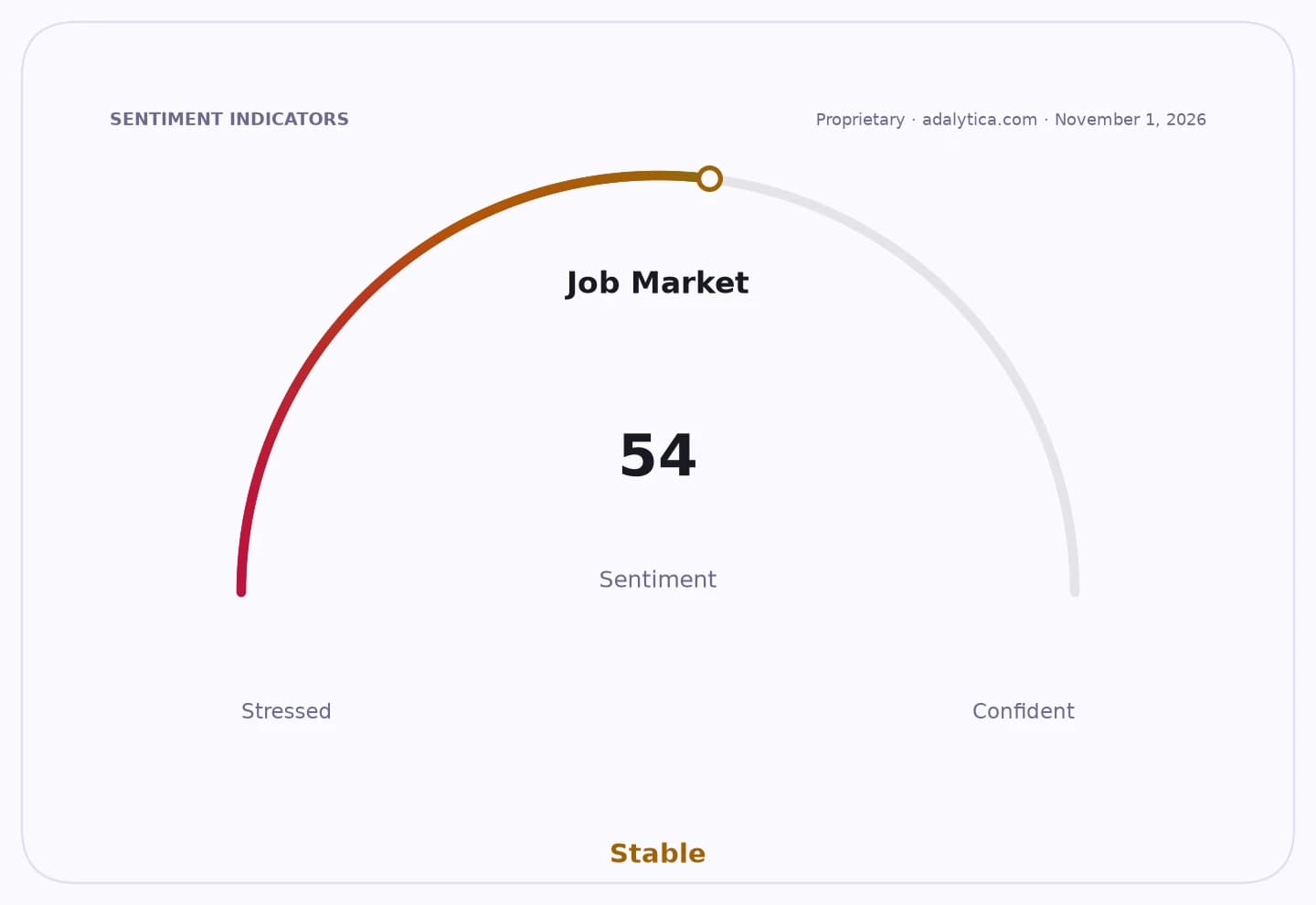
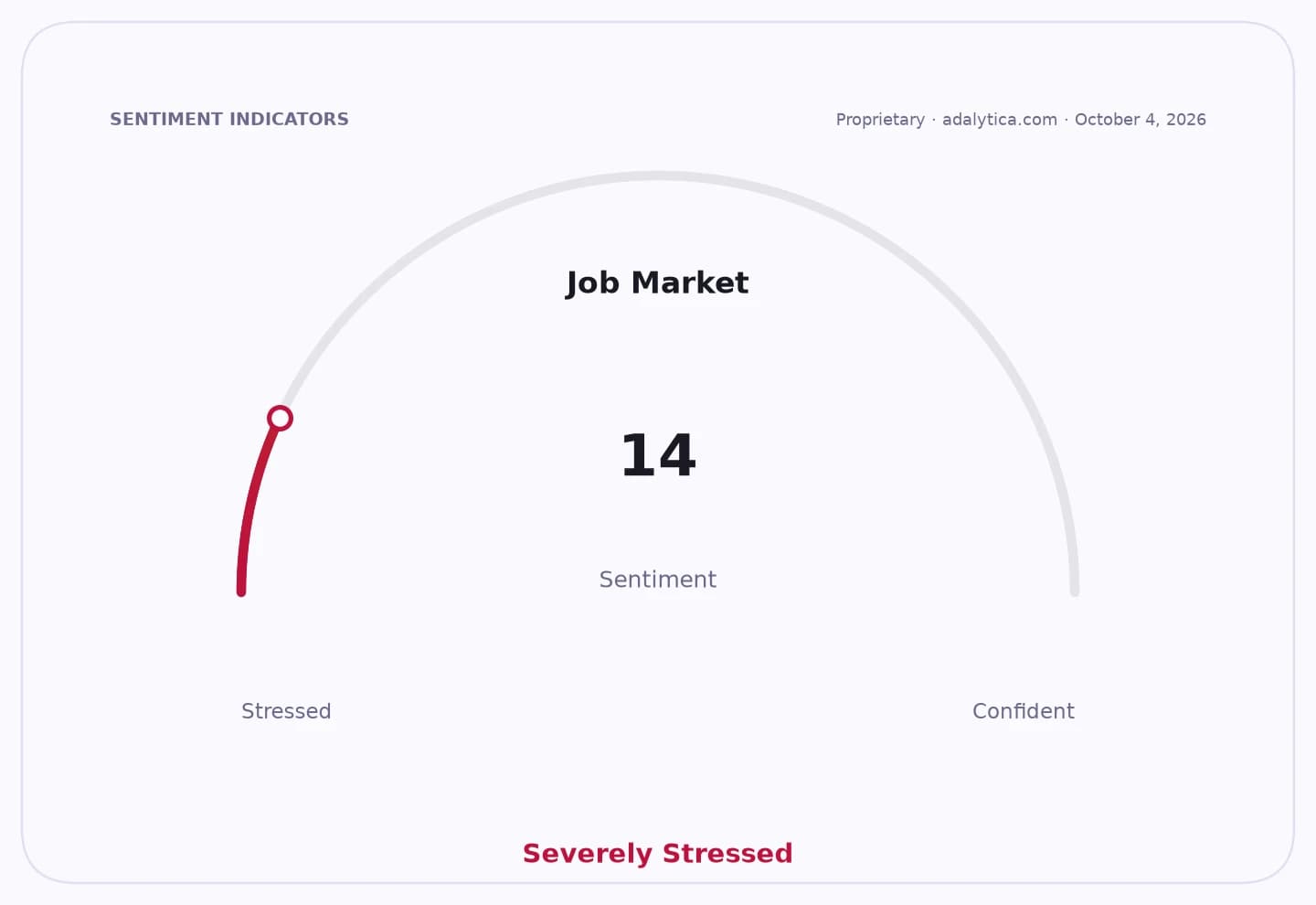
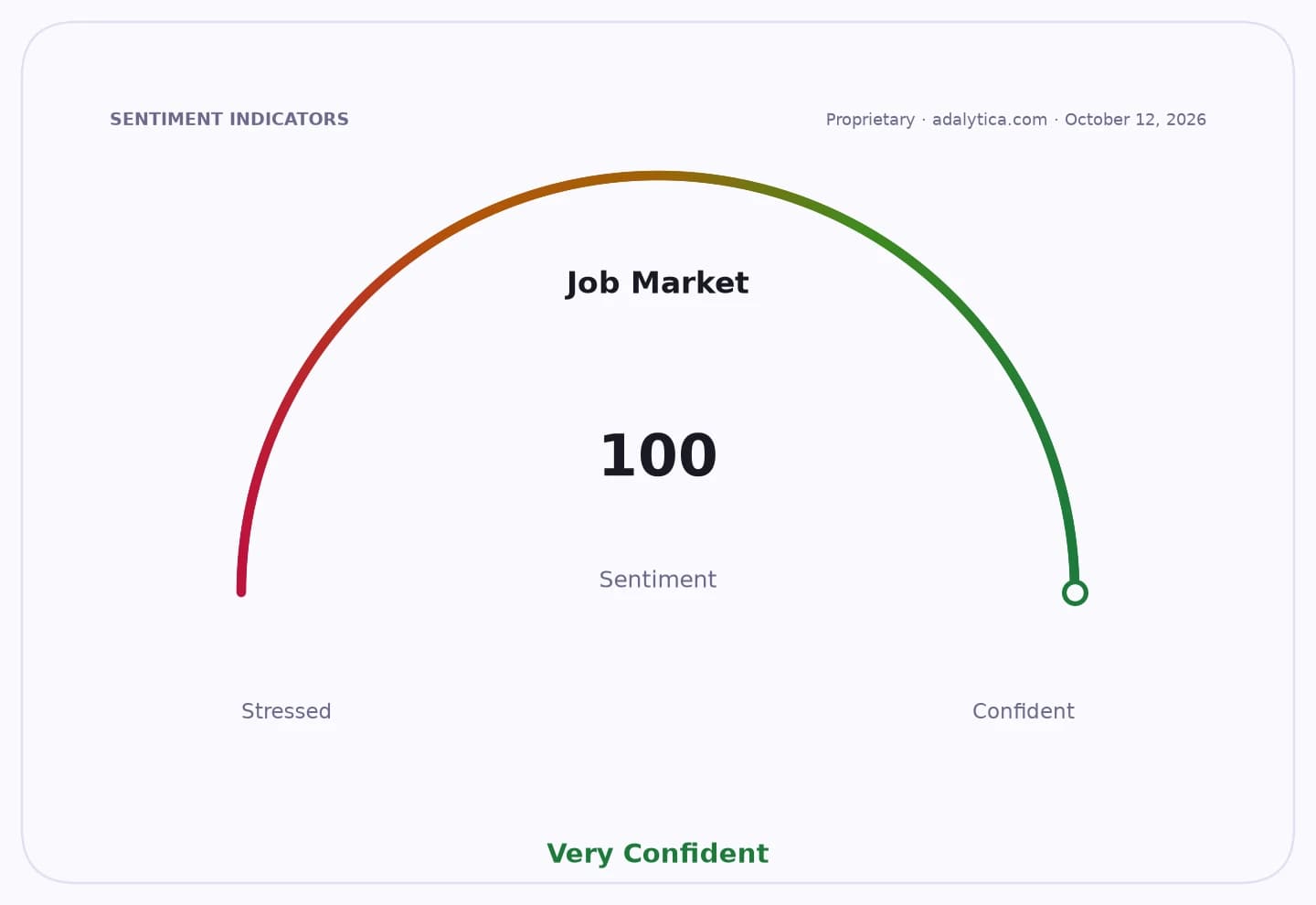
Sentiment Indicators
The bigger economic story is that this is not just a hiring notice — it is another reminder of how much Indian employment still depends on apprenticeship and entry-level public-sector intake to absorb young workers. Niti Aayog’s warning that a large share of youth remain outside productive employment underscores why even a few hundred vacancies attract outsize attention. In a labor market where many openings demand experience that new entrants do not yet have, apprenticeship programs remain one of the few practical bridges between education and steady work.
That makes IOCL’s recruitment meaningful beyond the company itself. Apprenticeships can help build industry-ready skills, improve employability and feed future hiring pipelines in energy, logistics and operations. For Indian Oil, the program also supports a broader talent strategy at a time when the energy sector still requires a steady flow of technically trained workers to keep refineries, terminals and distribution networks running.
Investors should view this in a broader long-term context rather than as a market-moving event. IOCL is not a story about immediate revenue growth or margin expansion, but it does highlight the resilience of India’s public-sector industrial base and the continuing role of state enterprises in workforce development. For long-term investors in India’s energy and infrastructure ecosystem, that matters because companies with strong hiring and training pipelines are better positioned to maintain operational continuity and execute capital-heavy projects.
The catch, of course, is that apprenticeship hiring alone cannot solve India’s employment gap. The real test will be whether such programs scale, translate into durable skills and lead to longer-term job creation across manufacturing, energy and services. Still, for young candidates, IOCL’s 335 openings are worth serious attention — and for investors, they are another sign that India’s growth story will also be judged by how many of its new workers can actually find a place in it.
| Entity | Gains | Losses |
|---|---|---|
| Job aspirants | ▲Entry-level public-sector opportunity | ▼Fierce competition |
| Indian Oil Corp. | ▲Fresh talent pipeline | ▼Recruitment and training costs |
| India’s labor market | ▲More apprenticeship slots | ▼Not enough jobs overall |
| Private employers | ▲Benchmark for skilling programs | ▼Pressure to match hiring appeal |