Thousands of Indian technology professionals are leaving the US or heading back home as tighter H-1B visa enforcement, broader job cuts and slower permanent-residency processing undermine one of the main pipelines for global tech talent.
Indian Tech Workers Return From US as Visa Rules Tighten
By September, 12,700 Indian tech workers had returned to India, up from 9,800 in 2024 and 7,200 in 2023, according to staffing firm Xpheno, underscoring how immigration uncertainty is turning from a policy issue into a labor-market shift. The move matters economically because Indian engineers have long filled critical roles in US software, cloud, cybersecurity and AI teams, while also supporting India’s own technology and services industry through return migration and repatriated expertise.
Sentiment Indicators
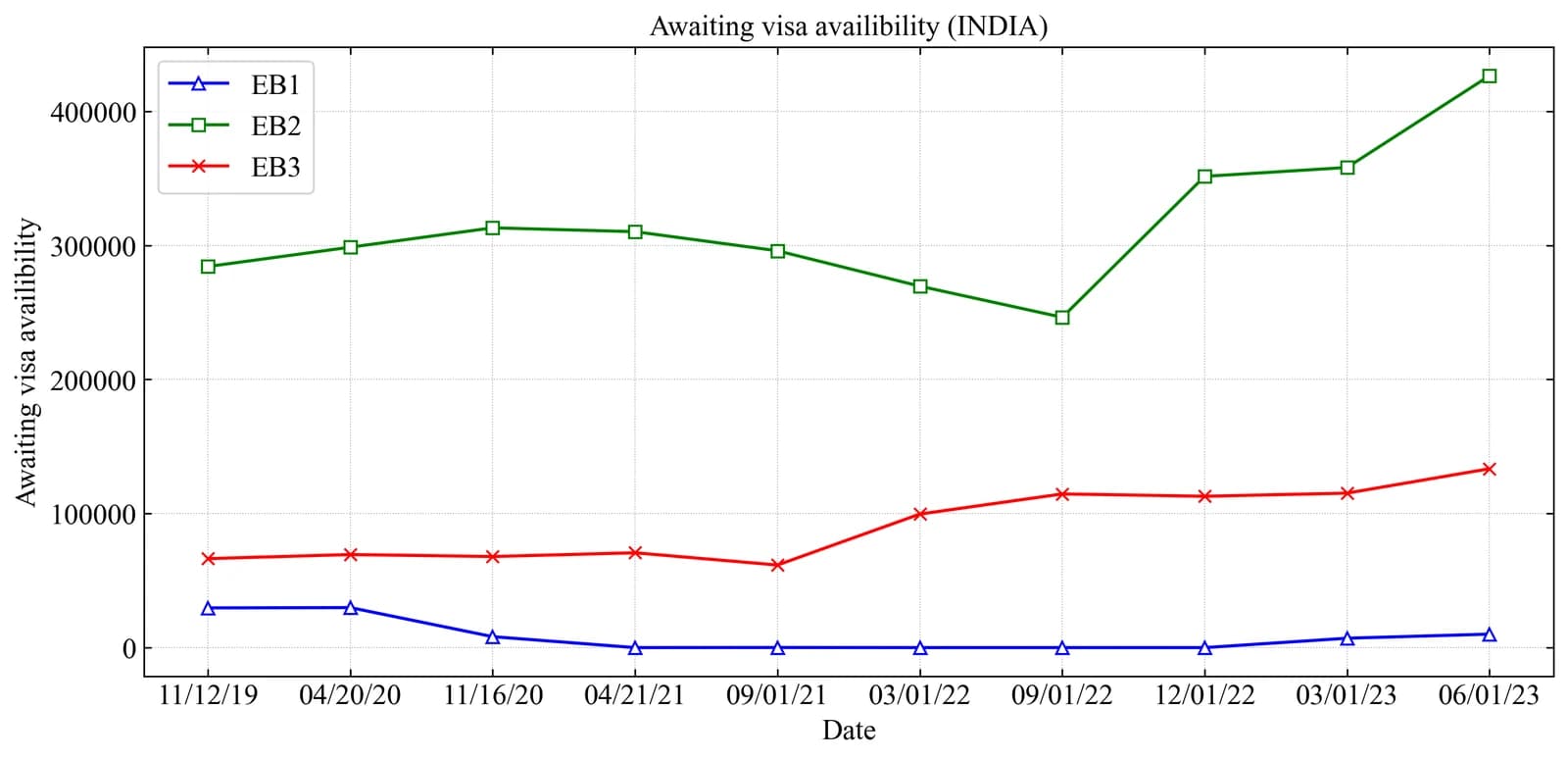
The pressure is coming as companies across the sector confront a weaker hiring backdrop and more cautious capital spending. Tech firms including Microsoft, Adobe, Infosys, Cognizant, Capgemini, Wipro, HCL Technologies and Tata have paused the PERM process, the employer-sponsored green-card route that requires firms to prove no qualified US worker is available and that foreign hiring will not undercut wages or conditions. The suspension does not cancel valid H-1B visas or previously approved green cards, but it does slow the path to permanent residency for workers whose status depends on employer sponsorship.
For Indian professionals, that creates a more fragile calculus: a temporary visa may still allow them to work in the US, but the long-term settlement promise is becoming less certain. That is particularly important for workers whose green-card cases are already under review, as firms cannot submit new PERM applications during the pause and pending filings are effectively frozen.
The economics cut both ways. US employers lose access to a labor pool that has helped them scale engineering capacity quickly in tight skill markets, while India stands to gain from returning workers with experience in AI, product leadership, cloud and cybersecurity. Abhinarayan Mishra, who posted on LinkedIn about the transition, said Indian companies are hiring in those areas, though returnees also face practical hurdles such as cross-border tax rules and school admissions.
The backdrop is a US labor market that remains broadly resilient but is no longer immune to sectoral stress. Nonfarm payrolls have continued to rise, while the unemployment rate has hovered near 4.2%, but layoffs in parts of technology and uncertainty around immigration policy are making employers more selective about sponsorship and retention. That helps explain why the H-1B issue is now spilling into corporate planning rather than remaining a narrow legal question.
Investors should watch two effects. First, US tech firms may face higher costs or slower product execution if visa friction limits staffing flexibility in specialized roles. Second, Indian IT services companies could benefit from returning talent and offshore work being reallocated to India, although they may also absorb pressure if clients in the US become more cautious about contracting and headcount. Large-cap technology shares have been volatile, with the Nasdaq futures still trading below its recent highs and the Nasdaq-100 exchange-traded fund below its 50-day average, a sign that the market is already sensitive to any development that could compress growth and margins.
The broader implication is that immigration policy is becoming a direct input into tech labor supply, corporate mobility and cross-border earnings power. If the PERM pause persists and job cuts continue, more Indian professionals may choose to leave the US rather than wait out a slower path to residency, deepening the shift in where tech talent is hired, housed and ultimately invested.
| Entity | Gains | Losses |
|---|---|---|
| Indian returnees | ▲Local job opportunities | ▼US residency pathway |
| Indian IT firms | ▲Skilled talent inflow | ▼Returnee integration costs |
| US tech employers | ▲Short-term payroll control | ▼Access to specialized labor |
| H-1B workers | ▲Temporary work rights | ▼Green-card certainty |