Most Indian software engineers still do not know what a forward-deployed engineer is, and that ignorance may matter far more than it sounds for Microsoft, Nvidia and the next phase of enterprise AI hiring.
Microsoft and Nvidia Gain From India FDE Talent Gap
A report from Scalar says 90% of engineers in India are unaware of FDE training options, even as 58% say they would consider moving into customer-facing AI roles built around implementation, problem-solving and direct work with clients. For investors, that is not a small talent-market footnote. It points to a widening mismatch between where AI demand is going and where the labor force is prepared to go, especially in a market like India that feeds global tech staffing, services and product delivery.
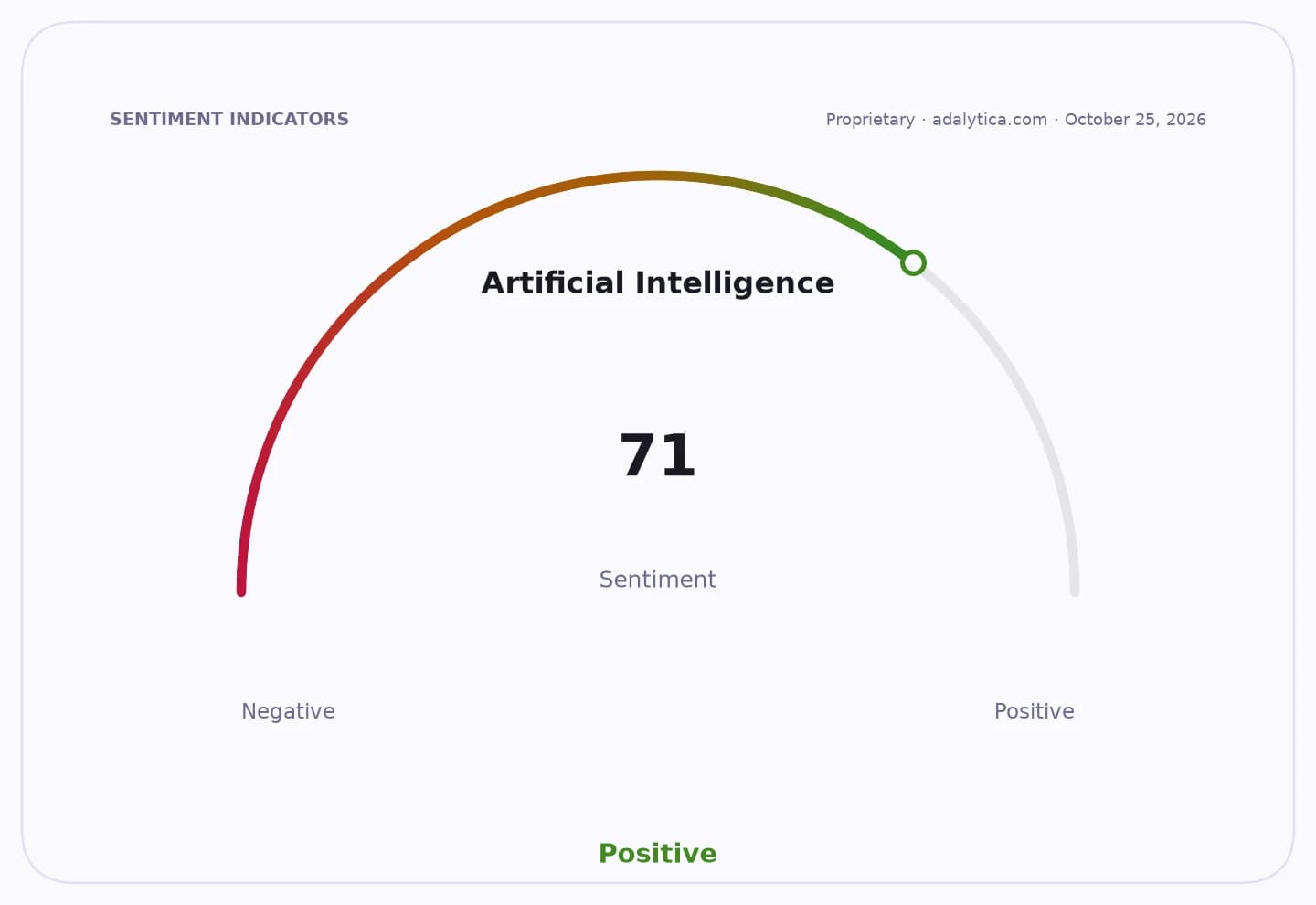
Sentiment Indicators
Forward-deployed engineers sit at the intersection of software, sales and customer success. They help businesses install AI tools, adapt them to real workflows and make sure products actually generate revenue. That makes them valuable to companies trying to turn AI spending into durable earnings rather than just headline-grabbing capex. It also makes them central to firms such as Microsoft, whose latest filing said its business depends on attracting, developing and retaining highly skilled employees in a competitive labor market.
The market relevance is straightforward: if the talent pool is large but undertrained, the winners will be the companies that can identify, train and deploy those engineers fastest. That supports the moat of platform players with strong brand recognition, deep enterprise relationships and the balance sheets to invest in people, not just models. It may also help explain why investor attention is increasingly shifting from pure AI infrastructure toward the less glamorous but more profitable layer of implementation, integration and customer success.
Microsoft remains the clearest beneficiary in this setup. Its stock has climbed sharply over the past several months, even after recent volatility, and the shares still trade well above the 200-day moving average. But the latest technical picture also shows the near-term rally has cooled, with the stock sitting below its 50-day average and momentum indicators easing. That does not change the long-term story. It simply reinforces that investors are already pricing in a lot of AI optimism, which makes execution on hiring and deployment even more important.
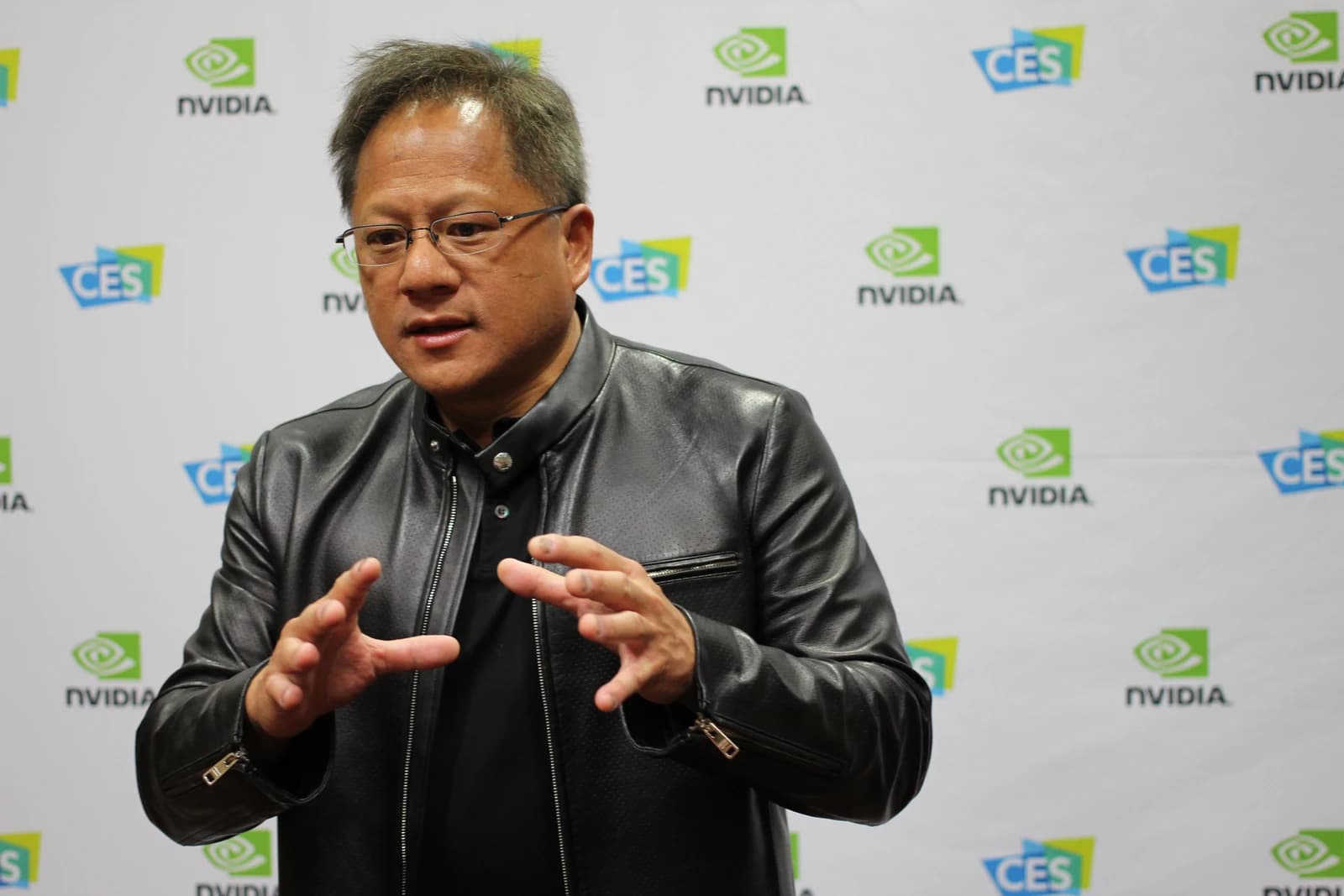
Nvidia is the other obvious winner, though in a different way. The chipmaker does not need every engineer in India to know the FDE label. It needs a growing ecosystem of companies willing to hire people who can turn accelerated computing into business outcomes. The stronger the enterprise AI rollout, the better the demand backdrop for Nvidia’s hardware, software and networking stack.
There is a broader economic angle too. India has spent years building a reputation as a global technology talent hub, but the next leg of the AI cycle may require more than coding skill. Companies want engineers who can sit with customers, map business processes and translate AI into measurable productivity gains. That is good news for workers who can upgrade into these roles, and for employers that can train them. It is a warning sign for firms that still rely on generic software labor and hope the market will do the rest.
For long-term investors, the takeaway is less about one survey and more about a secular shift. AI is moving from experimentation to implementation, and implementation is a people business. That favors companies with deep enterprise distribution, strong training pipelines and the patience to build human capital alongside compute. The stocks tied to that transition should remain worth watching, especially on pullbacks, because the firms that solve the talent bottleneck are the ones most likely to compound over the next decade.
| Entity | Gains | Losses |
|---|---|---|
| Microsoft | ▲enterprise AI deployment | ▼firms lacking trained talent |
| Nvidia | ▲broader AI rollout | ▼slower AI adoption |
| Indian engineers | ▲higher-value roles | ▼low-awareness job seekers |
| Legacy IT services | ▲retrained workforce | ▼generic coding-only labor |