Employers are still paying for speed in a labor market where the old job-board playbook no longer works, and that is keeping the recruitment industry in focus even as hiring remains uneven across white-collar roles.
Recruitment firms gain as hiring slows
The real investment story is not that companies cannot find people; it is that the cost of finding them has risen because the hiring funnel has become noisy, slower and more competitive. As the HR expert’s advice makes clear, vacancies that sit open for more than three weeks can begin to damage output and revenue, forcing companies to pay for faster sourcing, broader channels and better employer branding. That is exactly the kind of operating friction that can support staffing and recruitment firms, even when headline job creation looks mixed.
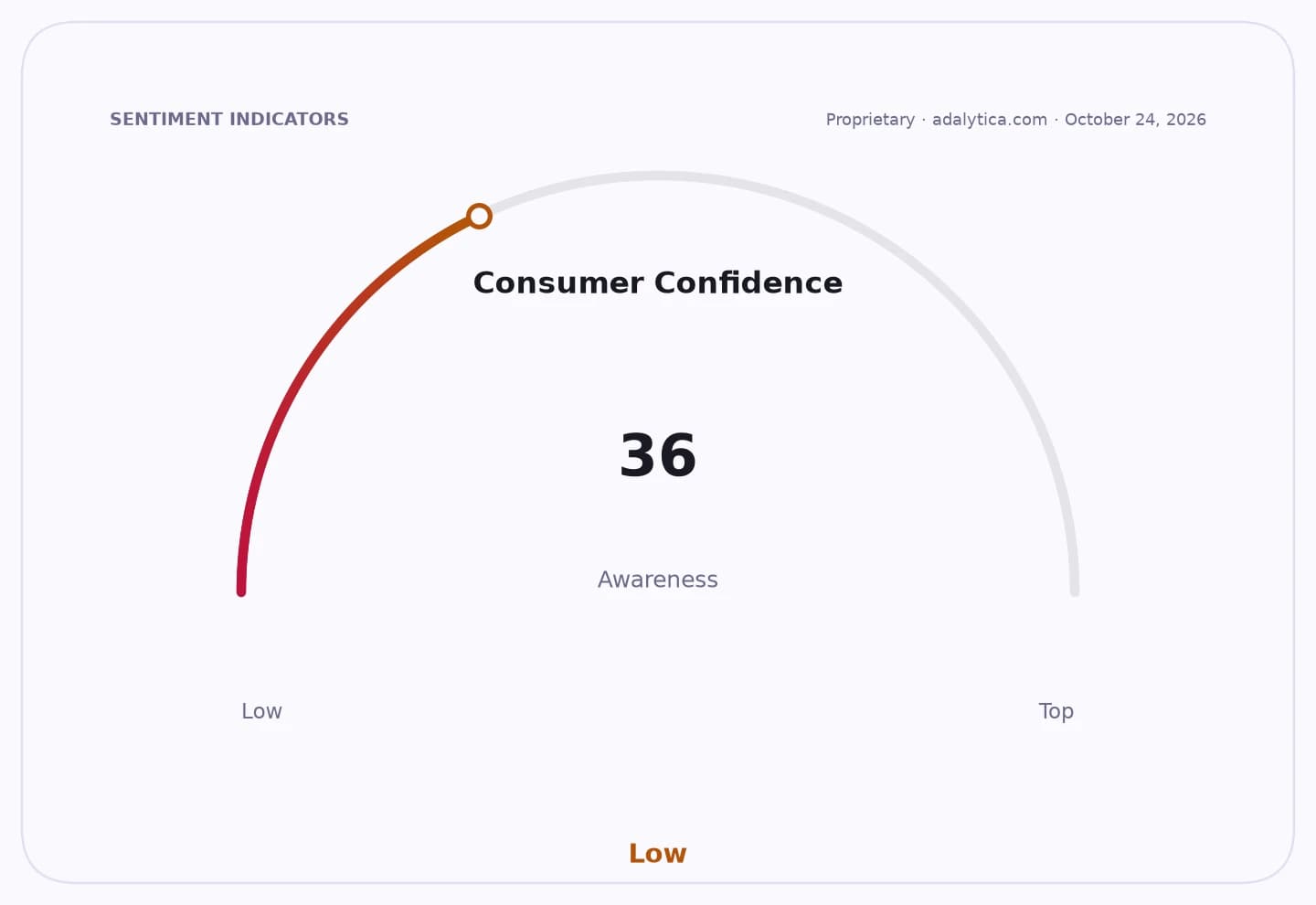
Sentiment IndicatorsⓘProprietary · adalytica.com · October 24, 2026
This is a snapshot — live sentiment, awareness and momentum for 130+ markets update continuously in the dashboard.Open AlphaPulse
For investors, the implication is that the winners are the recruiters, platforms and flexible-workforce providers that can turn scarcity into a service fee. The losers are employers clinging to outdated hiring tactics, and the broad market underestimates how much search costs, wage pressure and delayed start dates can weigh on margins. In the current environment, a strong candidate can be gone in two days, not two weeks, which means speed is itself a pricing lever.
The message also fits a broader labor-market backdrop. Recent research in Australia flagged acute shortages in ten in-demand white-collar jobs, warning that gaps in qualified staff can delay infrastructure projects and raise taxpayer costs. Adalytica’s Nonfarm Payrolls sentiment gauge is sitting at 87, or “Extreme Greed,” even as its Consumer Spending sentiment remains weak at 18, suggesting the labor market may still be tight in the skills that matter most while consumers stay cautious. That is a classic setup for staffing firms serving executive search, professional placement and temporary personnel.
HQI, whose franchise network spans temporary staffing, permanent placements and executive search, is exposed to that dynamic. So is Robert Half, which has already pointed to generative AI-driven applicant surges making candidate screening more complex, and Korn Ferry, which has highlighted resilient demand for skilled talent despite macro uncertainty. The underlying thesis is simple: when hiring gets harder, the firms that package speed, screening and access to talent become more valuable.
Our takeaway is to treat the recruitment space as a picks-and-shovels play on labor-market inefficiency. If companies keep losing candidates between interview and offer, the need for outsourced hiring, direct hire and flexible staffing should stay durable, and that creates an asymmetric opportunity for the best operators in the group.
| Entity | Gains | Losses |
|---|---|---|
| HireQuest (HQI) | ▲Higher demand for staffing services | ▼Employers using slow hiring processes |
| Robert Half (RHI) | ▲More complex screening and placement needs | ▼Candidates lost to competing offers |
| Korn Ferry (KFRC) | ▲Executive search demand | ▼Companies relying on one job board |
| Job seekers with in-demand skills | ▲Faster offers, better pay | ▼Firms with rigid roles and low transparency |