Fewer self-employed workers and tighter rules around flexible labor are pushing companies to rethink how they hire, but the need for temporary and specialized talent is not going away.
Dutch staffing firms gain as zzp rules tighten
That is the central message from a changing labor market in which the number of Dutch zzp’ers — self-employed workers without staff — has fallen by 131,000 since the end of 2024, even as more than 2.7 million workers still hold flexible contracts. The shift matters economically because employers still need rapid access to capacity for projects, peak demand and scarce skills, yet are being forced to organize that flexibility with more structure and more compliance.
Sentiment IndicatorsⓘProprietary · adalytica.com · October 23, 2026
This is a snapshot — live sentiment, awareness and momentum for 130+ markets update continuously in the dashboard.Open AlphaPulse
For staffing and workforce management firms, that is a potentially durable revenue opportunity. Rather than simply replacing one flexible worker with another, companies are moving toward broader talent models that combine permanent staff, contractors, freelancers and external specialists under one system, a setup often described as total talent management. In practice, that favors intermediaries that can centralize sourcing, contract handling and governance for large employers.
The logic is straightforward: when regulation around flexible labor changes, ad hoc hiring becomes riskier and less efficient. Large organizations also increasingly want visibility over who is working where, what skills they already have in-house and where they are paying twice for overlapping expertise. That plays into managed service provider models and platforms that can help companies coordinate external labor without losing control of costs or quality.
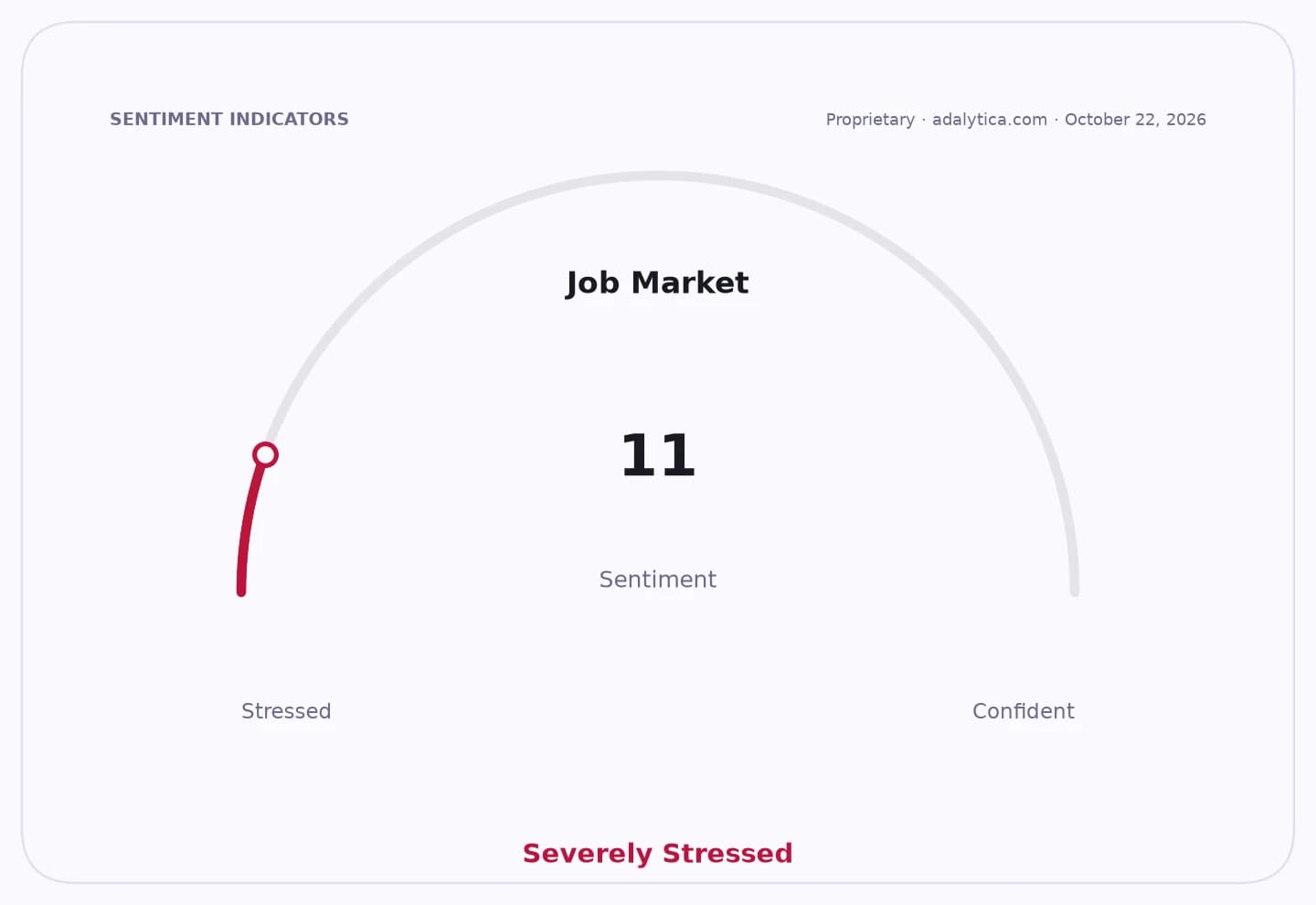
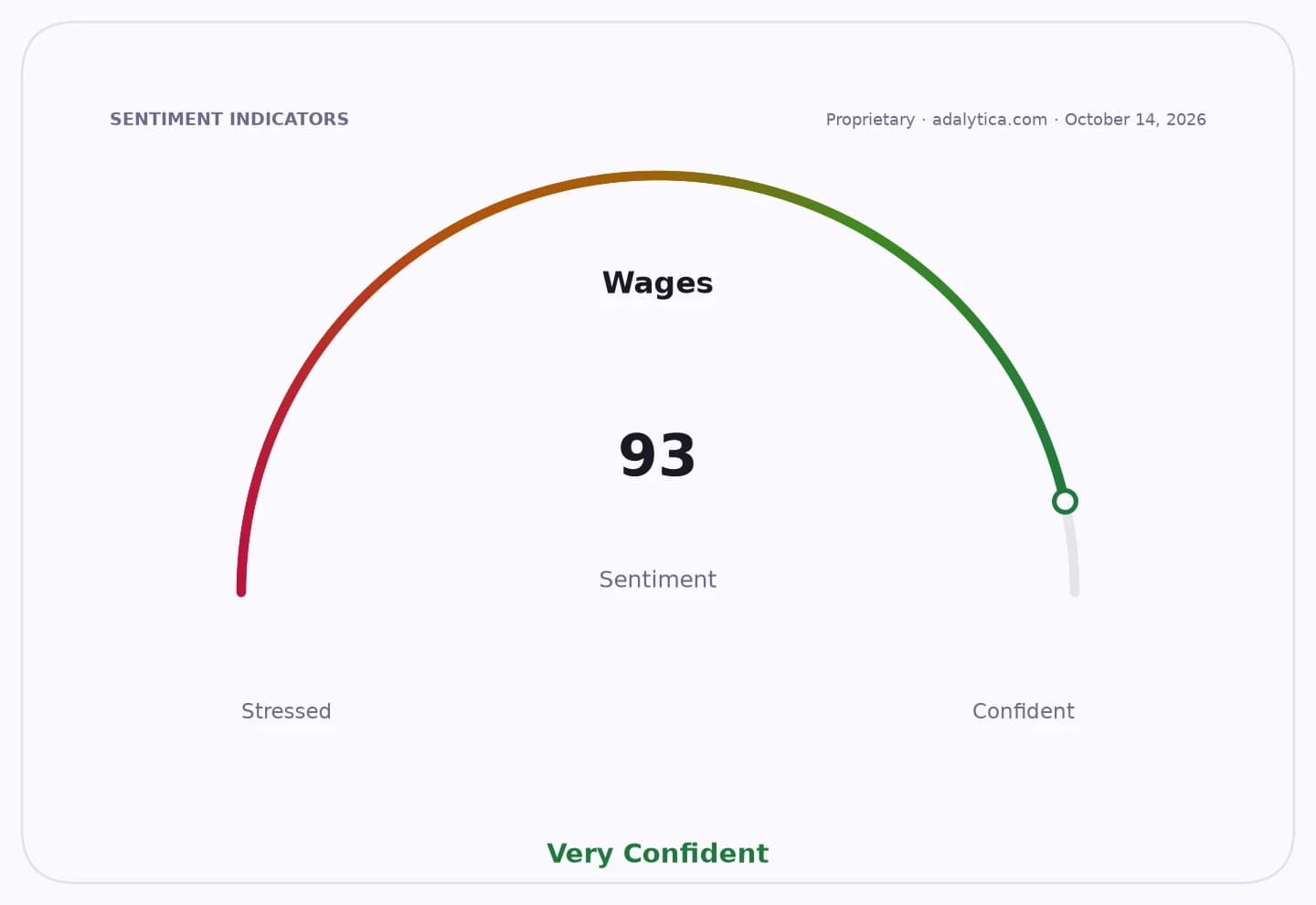
The market backdrop supports that theme. Job market sentiment tracked by Adalytica sits at 14, or “Extreme Fear,” while its nonfarm payrolls gauge is at 82, or “Greed,” underscoring a labor market that still looks tight even as companies grow more cautious about how they deploy workers. Consumer-confidence recession sentiment is neutral at 50, suggesting demand has not collapsed, but companies remain under pressure to preserve flexibility without overcommitting to fixed costs.
That tension is visible in the shares of workforce intermediaries. ManpowerGroup fell to $46.60 from recent highs above $60, but has rebounded from an Oct. 20 low of $42.98; Robert Half rose to $37.68 on Oct. 22 after touching $33.85 two sessions earlier; and Korn Ferry climbed to $76.35, recovering toward its 50-day moving average after a sharp midyear pullback. Technical readings across the group show improving momentum in the short term, with Robert Half’s RSI back above 50 and Korn Ferry moving closer to its 50-day average, while Manpower remains below that level.
Investors are likely to focus on whether this structural shift translates into steadier demand for contract talent, consulting and workforce management services, even if broader hiring remains uneven. The key risk is that slower growth or tougher regulation could push employers to reduce external spending altogether rather than simply reorganize it.
The next catalyst is whether companies formalize more of their contingent workforce strategy in 2027 budgets and whether staffing firms can capture that spend before in-house procurement teams and software platforms take more of it.
| Entity | Gains | Losses |
|---|---|---|
| Staffing firms | ▲More outsourced hiring demand | ▼Ad hoc freelancer model |
| Large employers | ▲Better control and compliance | ▼Less hiring flexibility |
| Self-employed workers | ▲Potentially more structured access | ▼Fewer standalone gigs |
| Existing contract staff | ▲Continued demand for skills | ▼Margin pressure from tighter rules |