The Netherlands’ self-employed workforce is shrinking for the first time in two decades, but the real economic story is not a rise in joblessness — it is that many freelancers are being absorbed back into paid work quickly.
The Netherlands’ self-employed workforce is shrinking for the first time in two decades, but the real economic story is not a rise in joblessness — it is that many freelancers are being absorbed back into paid work quickly.
That matters because it suggests the Dutch labor market is still unusually flexible, even as regulators crack down harder on so-called false self-employment. For investors, that flexibility helps cushion the economy: workers are not sitting idle, companies are still hiring, and a sharp rise in unemployment has so far been avoided.

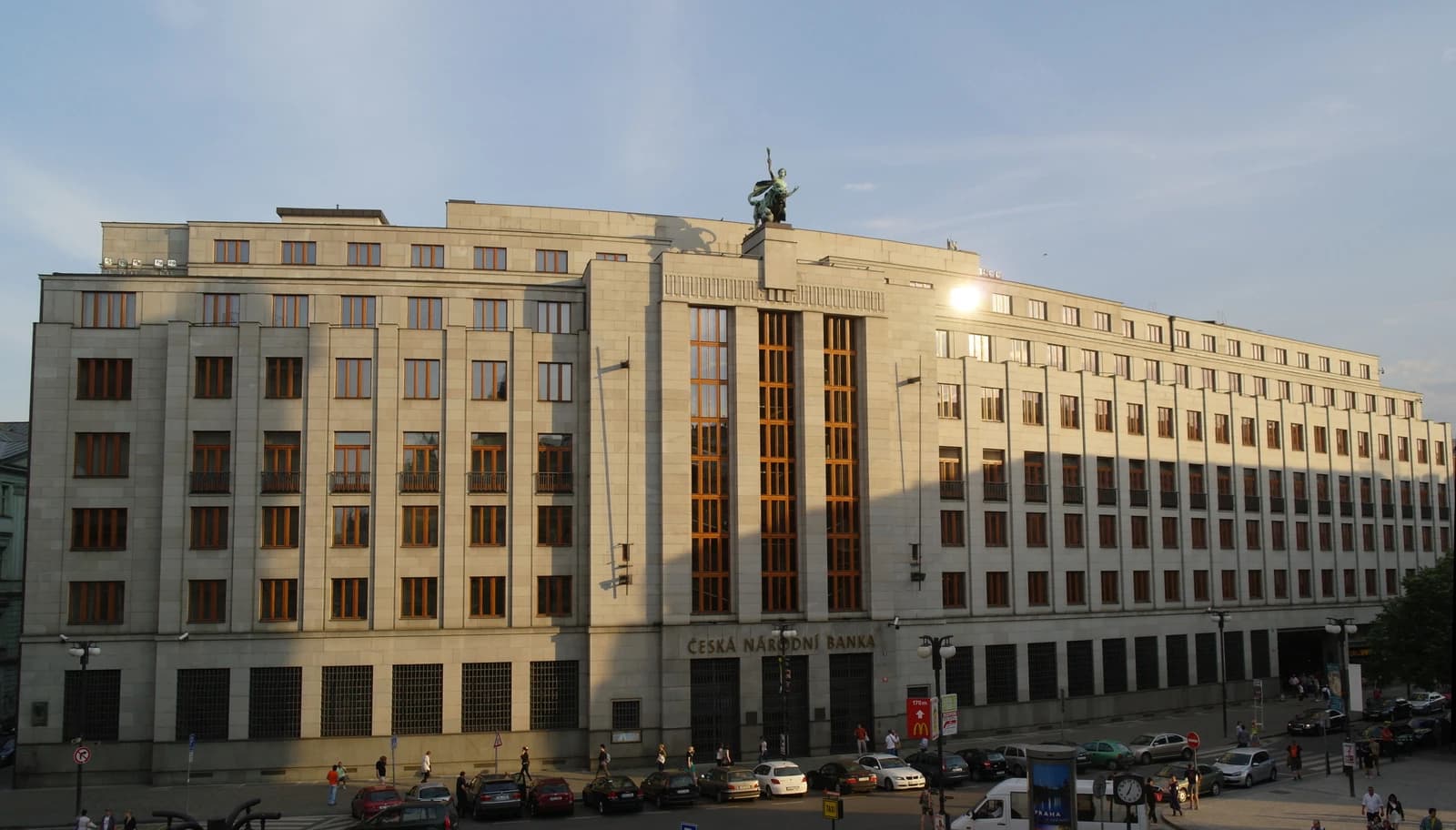
The Dutch central bank said self-employment is down 10% this year versus 2024, a drop of about 131,000 people from the peak of nearly 1.3 million at the end of last year. Even so, around 12% of the workforce remained primarily self-employed in mid-2026, a large share by international standards.
What makes the decline notable is the speed of the transition out of freelancing. Roughly half of former self-employed workers found paid employment within three months, while about a third moved into permanent jobs or roles with a path to permanency. Another group shifted into flexible work, and only 7% became unemployed — about the same as in previous years.
In other words, this is not a labor-market collapse story. It is a reallocation story. Former freelancers are moving into healthcare, social care, education, government, retail, transport and hospitality, according to the DNB. That kind of churn can actually be healthy for an economy if it puts workers into more stable roles without causing a spike in unemployment.
The policy backdrop helps explain why the shift may be happening. The DNB pointed to stricter enforcement against false self-employment since 2025, especially in sectors such as healthcare, construction, facility services and business services, where the line between genuine contracting and disguised employment has long been contested.
For long-term investors, the takeaway is that the Netherlands is showing an ability to tighten labor standards without breaking labor-market dynamism. That is positive for domestic demand, tax collection and consumer stability. It is also a reminder that sectors dependent on freelance labor may face higher compliance costs, while staffing firms, recruiters and companies that can convert contingent workers into employees could benefit.
The missing piece is earnings. The central bank said it cannot yet tell whether former freelancers are better or worse off in terms of income, productivity or working conditions. That matters, because the durability of this trend will depend on whether workers are moving into better jobs or just different ones.
Still, the broad message is constructive: the Dutch economy appears to be normalizing part of a labor model that had become unusually reliant on independent work. For investors, that is worth watching, not fearing — especially if the shift leads to steadier employment, healthier household incomes and less regulatory ambiguity over time.
| Entity | Gains | Losses |
|---|---|---|
| Dutch workers moving into payroll jobs | ▲More stability and benefits | ▼Less independence |
| Employers needing labor | ▲Easier access to permanent staff | ▼Higher compliance costs |
| Staffing and recruitment firms | ▲More hiring demand | ▼Pressure on freelancer-heavy models |
| Pure freelancers | ▲Faster job matches | ▼Smaller self-employment pool |
Investor Brief.
Delivered at market open — research, news and trade ideas in one email, weekdays.