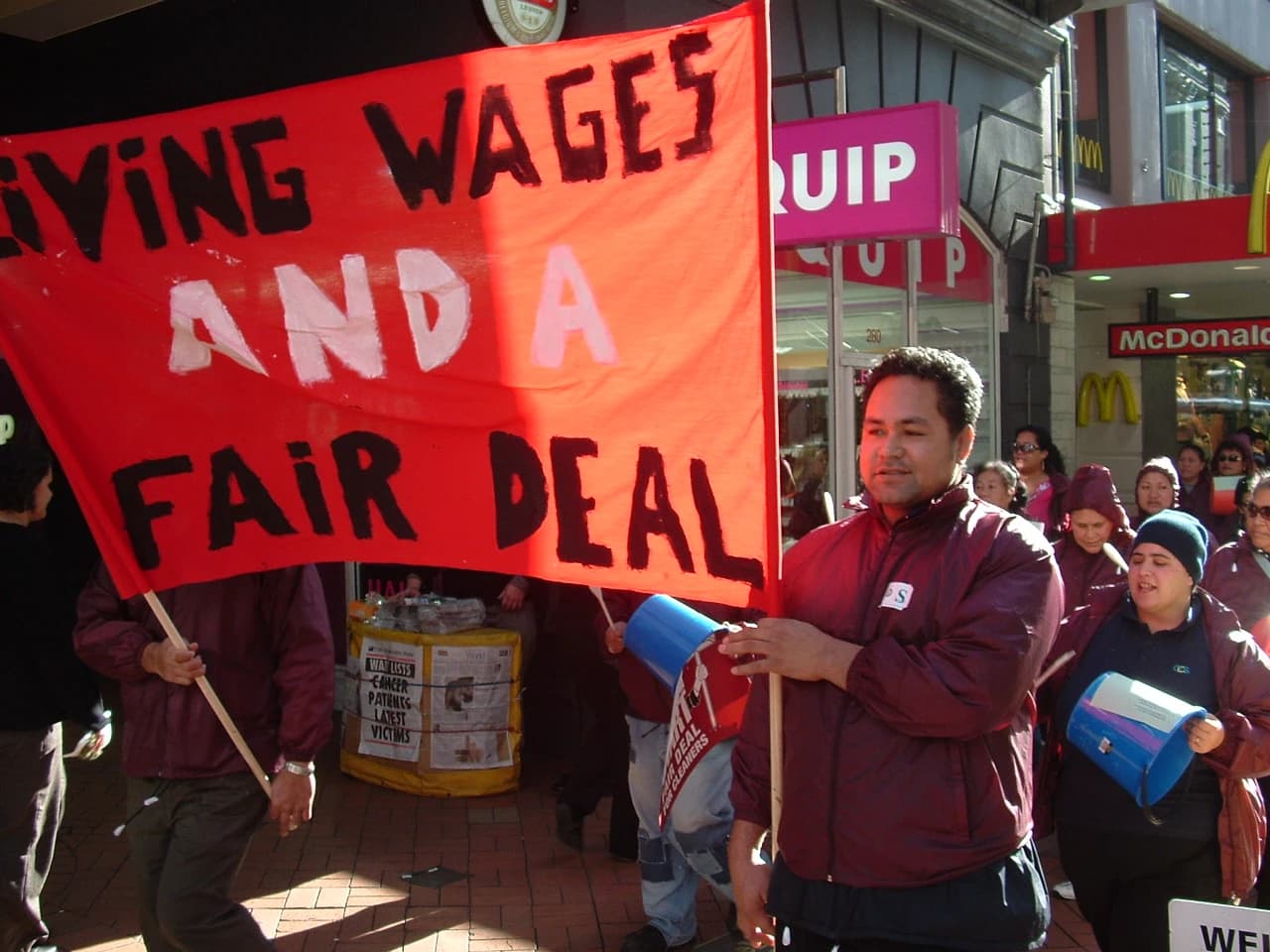
A sharp deterioration in job-market sentiment is pointing to a growing divide between workers with scarce skills and everyone else, with freelancers and lower-income job seekers most exposed as AI adoption and cautious corporate hiring reshape demand for labor.
Fiverr, Upwork, ManpowerGroup Slump on Labor Demand

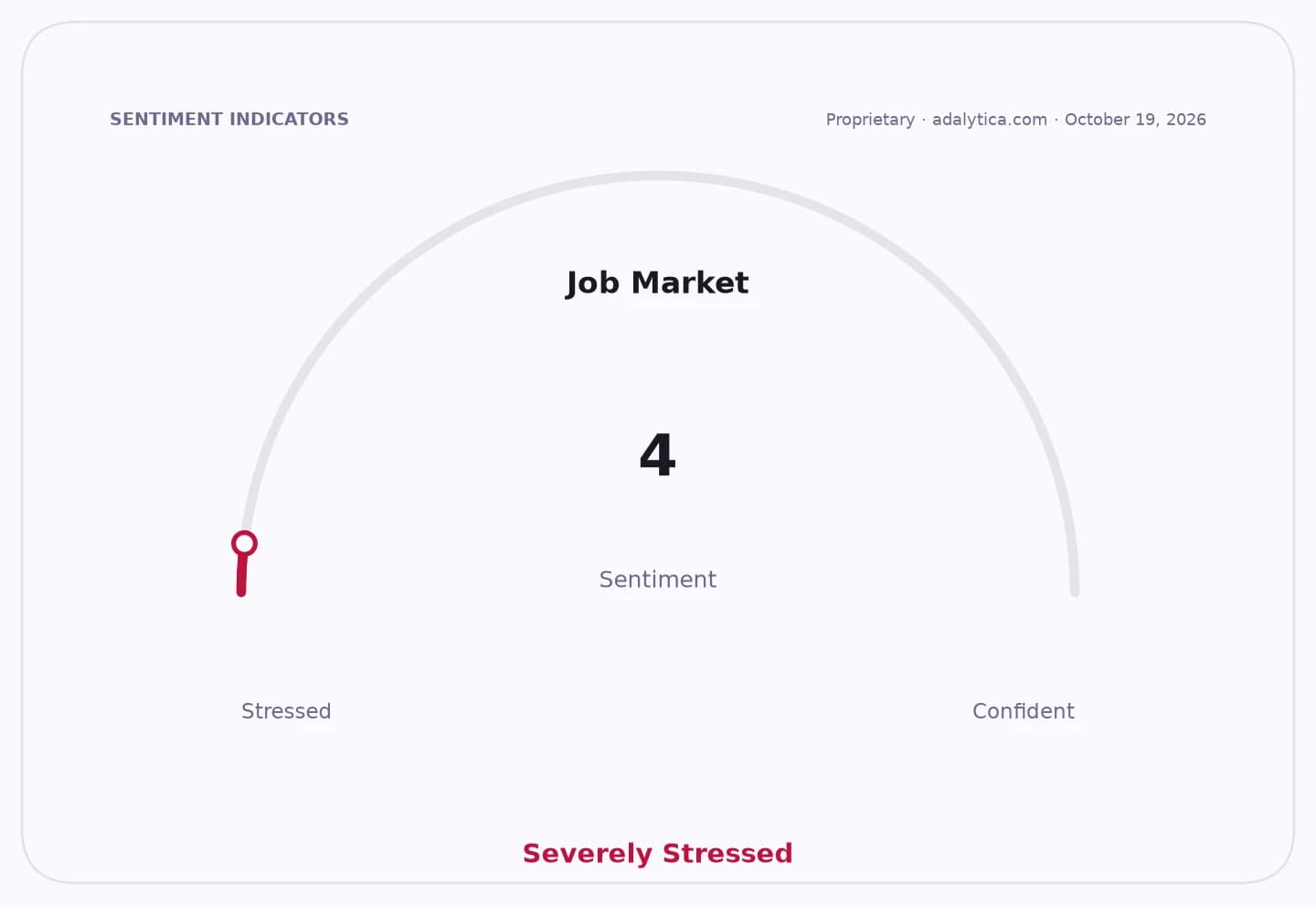
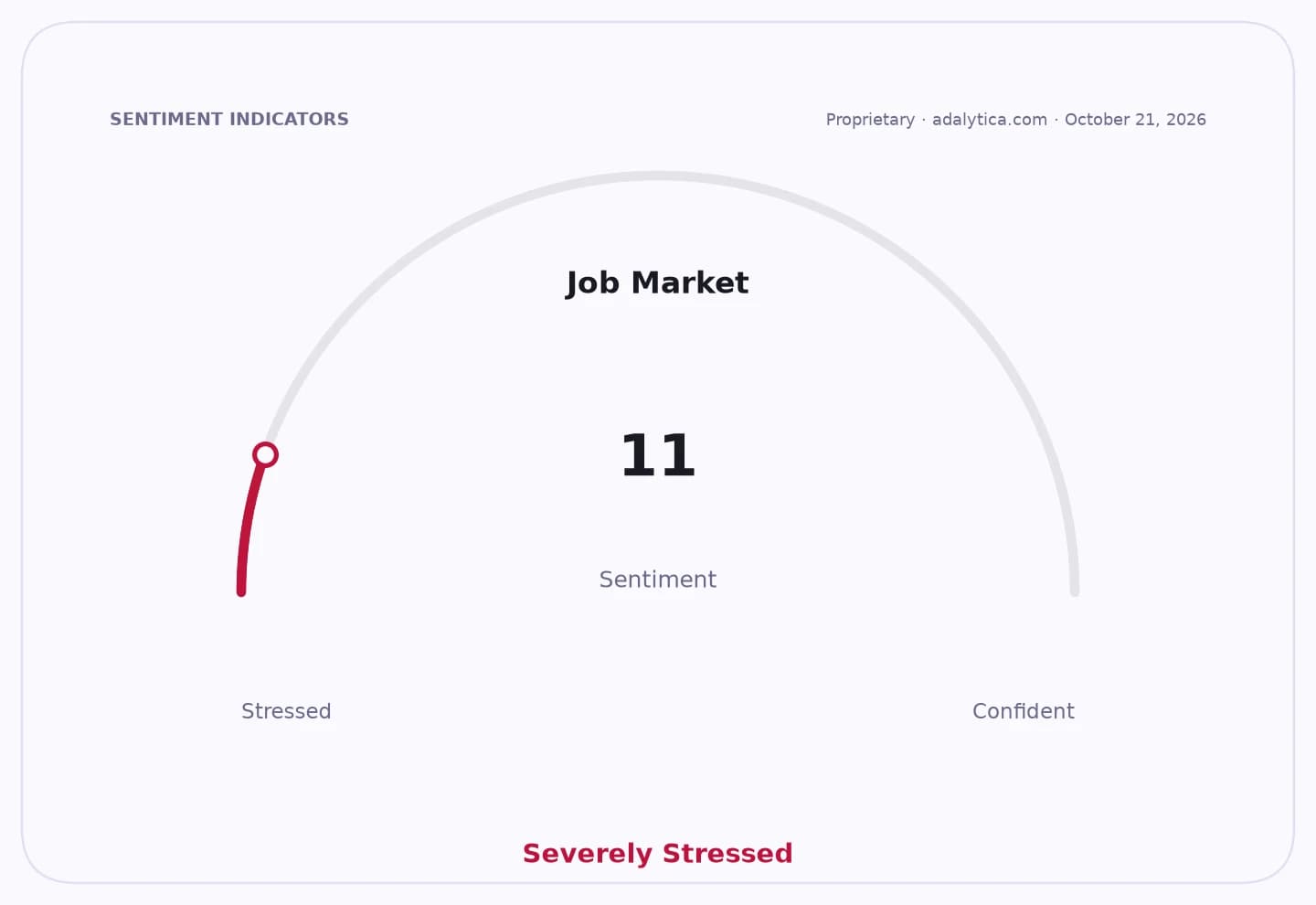
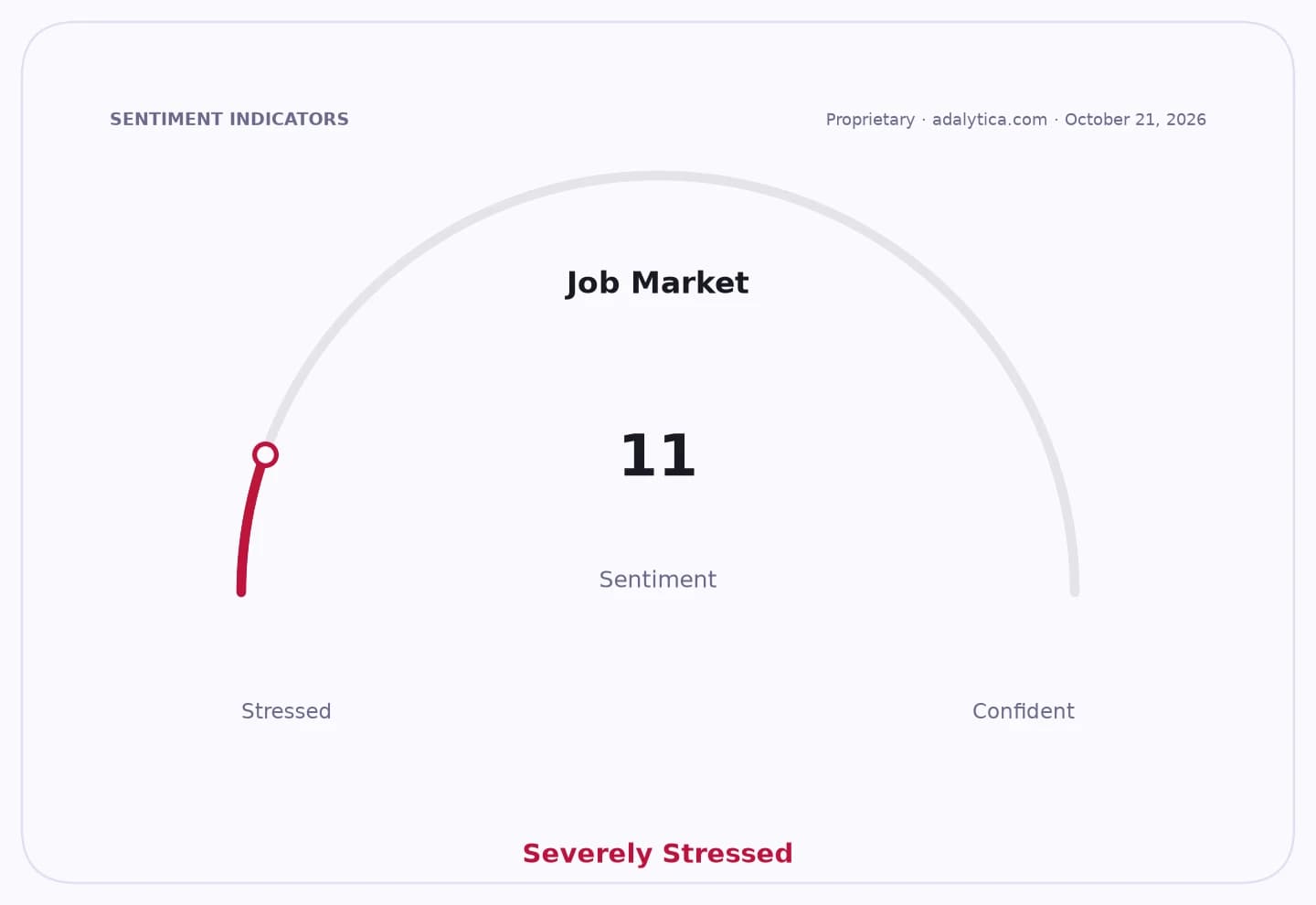
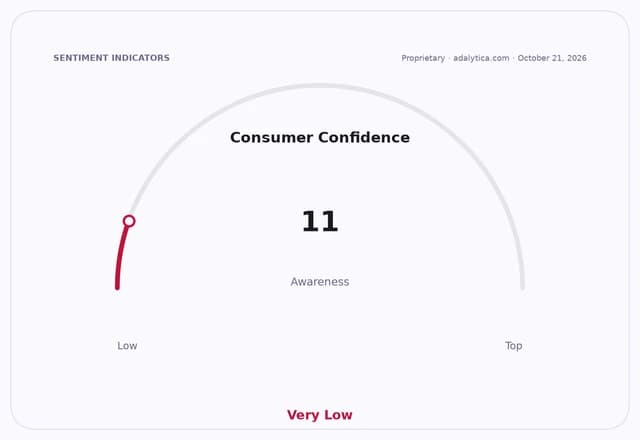
That divide matters because the labor market is no longer weakening evenly. In the US, the official jobs data in this package is unavailable, but the market signals are clear: Adalytica’s Job Market Sentiment gauge sits at 11, or “Extreme Fear,” while its awareness reading is just 4. Even after a modest one-day rebound, the sentiment measure is down 86 points over seven days and 43 points over 30 days, underscoring how quickly confidence around work availability has collapsed.
Sentiment IndicatorsⓘProprietary · adalytica.com · October 21, 2026
This is a snapshot — live sentiment, awareness and momentum for 130+ markets update continuously in the dashboard.Open AlphaPulse
The pressure is showing up in public-company pricing too. Shares of Fiverr, which relies on small businesses and freelancers, are down to $8.40 from $22.40 in mid-November, while Upwork has fallen to $8.77 from just over $21 in December. Both remain far below their 200-day moving averages, a sign the market is pricing in a more fragile demand backdrop for gig work and project-based hiring. Meanwhile, ManpowerGroup’s stock has plunged from a July peak near $50 to $44.75, reflecting the same broad repricing in staffing and temporary labor services.
The economic story behind the move is a labor market that is bifurcating rather than simply cooling. In Europe and emerging markets, recent data have also pointed to uneven conditions: the UK unemployment rate has fallen to 4.7%, but Chile is still seeing rising youth joblessness and formal job losses, while Libya remains stuck with structural unemployment. The common thread is that labor demand is becoming more selective, with employers favoring experienced, higher-productivity workers and leaving more vulnerable groups exposed.
Nonfarm Payrolls — 30-day sentimentadalytica.com
Explore this data interactively — full history, time series and cross-market comparisons.Open AlphaPulse
For investors, that makes the winners and losers clearer. Staffing firms with exposure to skilled labor may prove more resilient than those tied to discretionary freelance spending, but even they face pressure if employers keep freezing project work and delaying headcount additions. Fiverr and Upwork are especially vulnerable if AI continues to replace routine digital tasks such as copywriting, basic design and administrative work, categories that management at both companies have already flagged as under pressure. ManpowerGroup has more diversification, but its sharp share-price decline shows the market is not waiting for a clean recovery before marking down earnings expectations.
The bull case is that labor-market tightening eventually forces firms back into the market for flexible talent, especially if rate cuts or easing business conditions revive project spending. The bear case is that AI and soft business confidence keep suppressing entry-level and freelance demand for longer than investors expect, creating a deeper structural hit to gig-platform volumes and staffing margins. For now, the market is treating “real problem” as a warning for workers with few bargaining chips — and a reminder that the next phase of labor disruption may be less about unemployment in aggregate than about who can still command a price for their time.
| Entity | Gains | Losses |
|---|---|---|
| Skilled professionals | ▲Better bargaining power | ▼Less exposed to hiring cuts |
| Freelancers / gig workers | ▲Some niche demand | ▼Routine work demand |
| Fiverr, Upwork | ▲Any AI-enabled upsell | ▼Transaction volume growth |
| Staffing firms | ▲Demand for scarce talent | ▼Broad-based hiring slowdown |