Hungary has appointed Dudás Katalin as state secretary responsible for employment policy, putting a long-time labour-law and workplace-safety official in charge of a portfolio that will shape wage-setting, labour-market rules and employer obligations at a time when governments across Europe are balancing competitiveness with worker protection.
Hungary appoints Dudás Katalin as employment state secretary
The appointment matters because employment policy feeds directly into hiring costs, labour supply and the regulatory burden on companies, especially in sectors with tight margins and persistent labour shortages. A state secretary with more than three decades of experience in labour law, workplace safety and regulatory oversight suggests continuity rather than abrupt reform, but also points to a firmer emphasis on compliance, enforcement and institutional coordination inside the labour administration.
Sentiment IndicatorsⓘProprietary · adalytica.com · October 6, 2026
This is a snapshot — live sentiment, awareness and momentum for 130+ markets update continuously in the dashboard.Open AlphaPulse
Dudás said the best decisions come when expertise, experience and common sense are combined, and described her approach as technocratic rather than political. She also framed labour policy as a system designed primarily to protect the weaker party, arguing that the ministry’s role is not first and foremost about competitiveness but about building an institutional framework for worker protection and lawful employment.
That framing is economically important. A more protective labour-policy stance can improve workplace standards and legal certainty, but it can also raise administrative costs for employers if it leads to stricter inspections or tighter rules. For investors, that mix matters most in labour-intensive industries such as manufacturing, logistics, construction and services, where wage pressure and compliance costs can flow through to margins and pricing.
The appointment also signals a push to reassemble labour policy into a more unified, professionally coordinated structure. Dudás said her mission is to restore the area as an integrated system working on professional foundations, which could reduce policy fragmentation and make enforcement more predictable. Predictability tends to help investors even when the policy direction is tougher, because clearer rules are easier to price than shifting political signals.
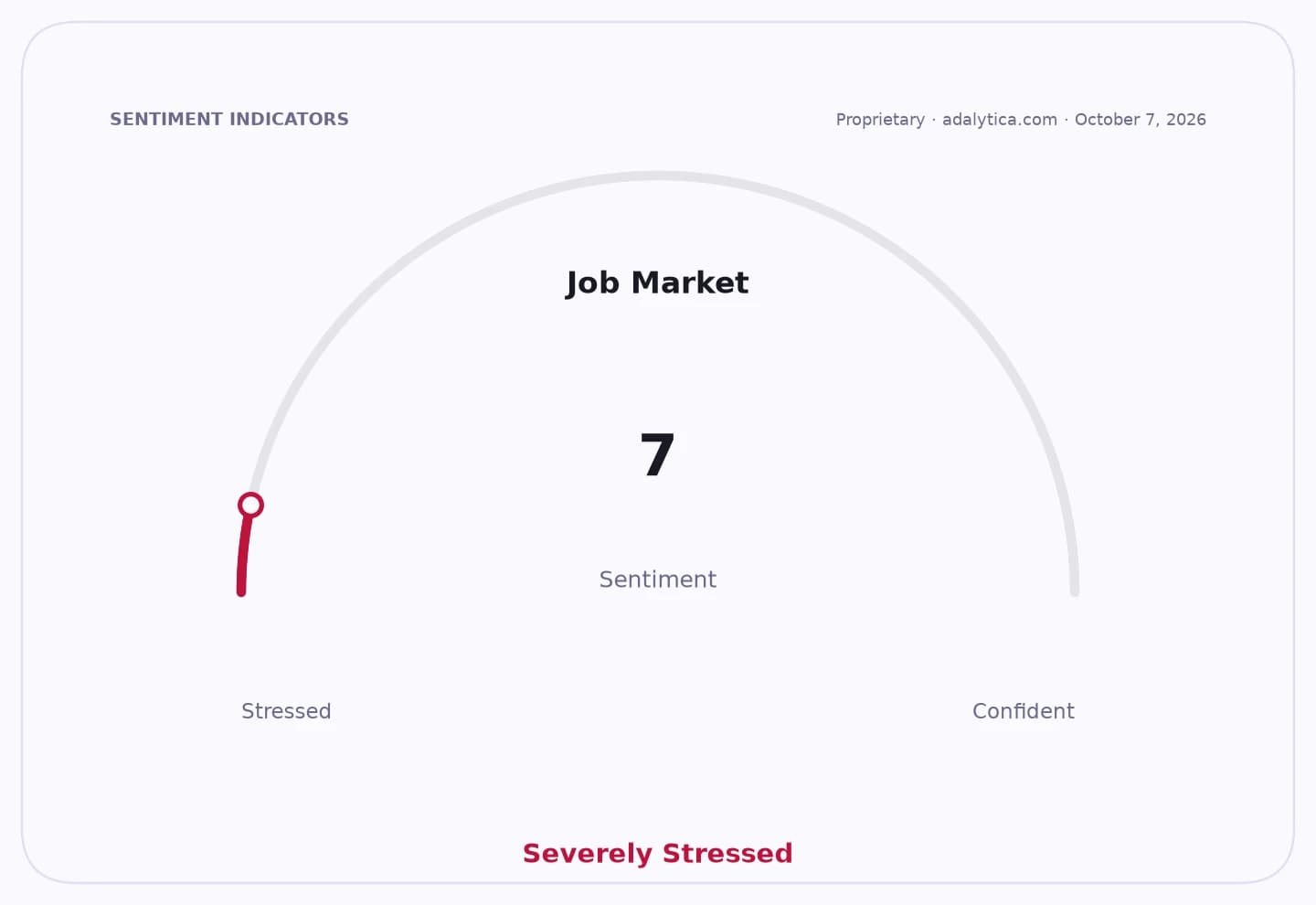
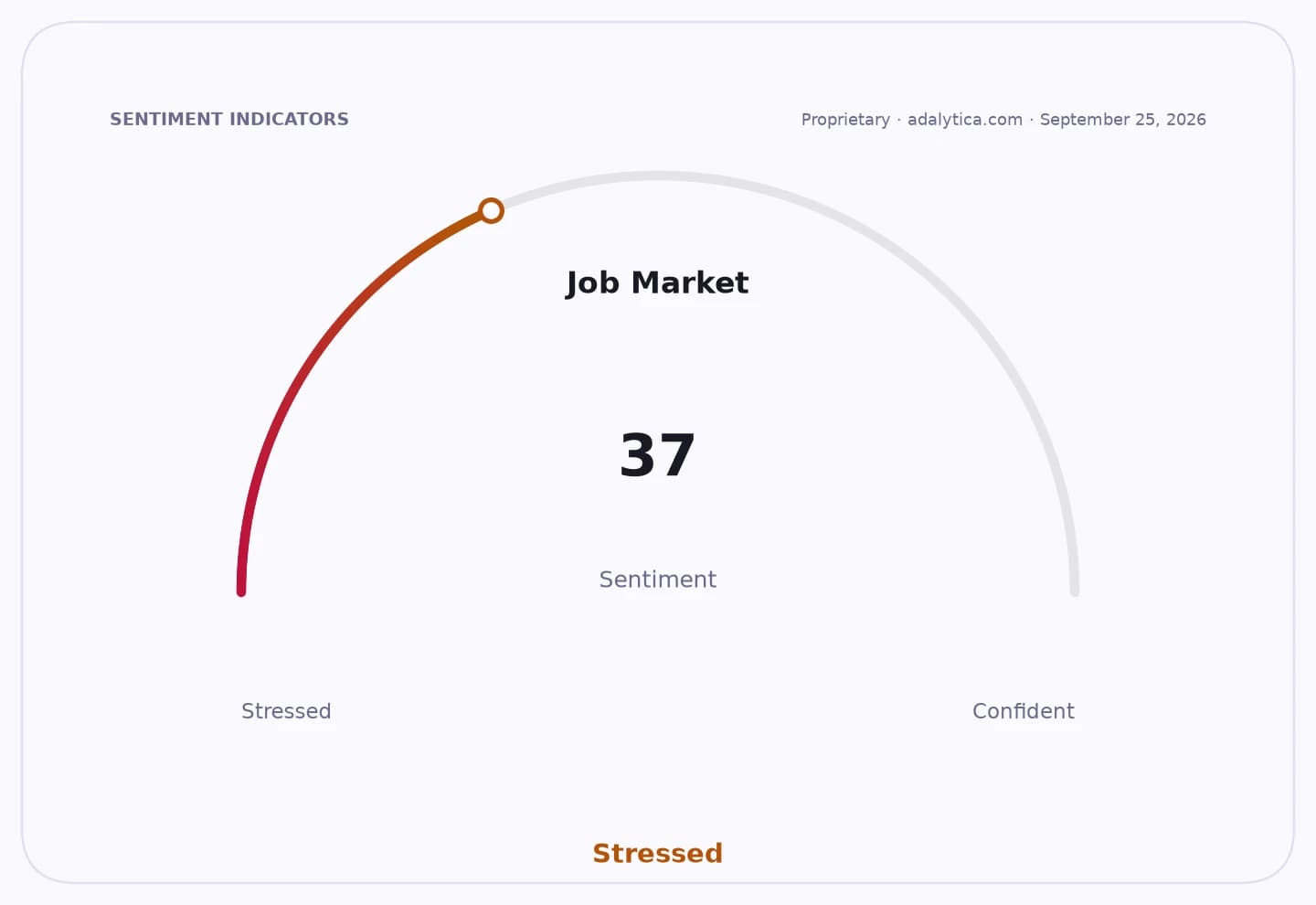
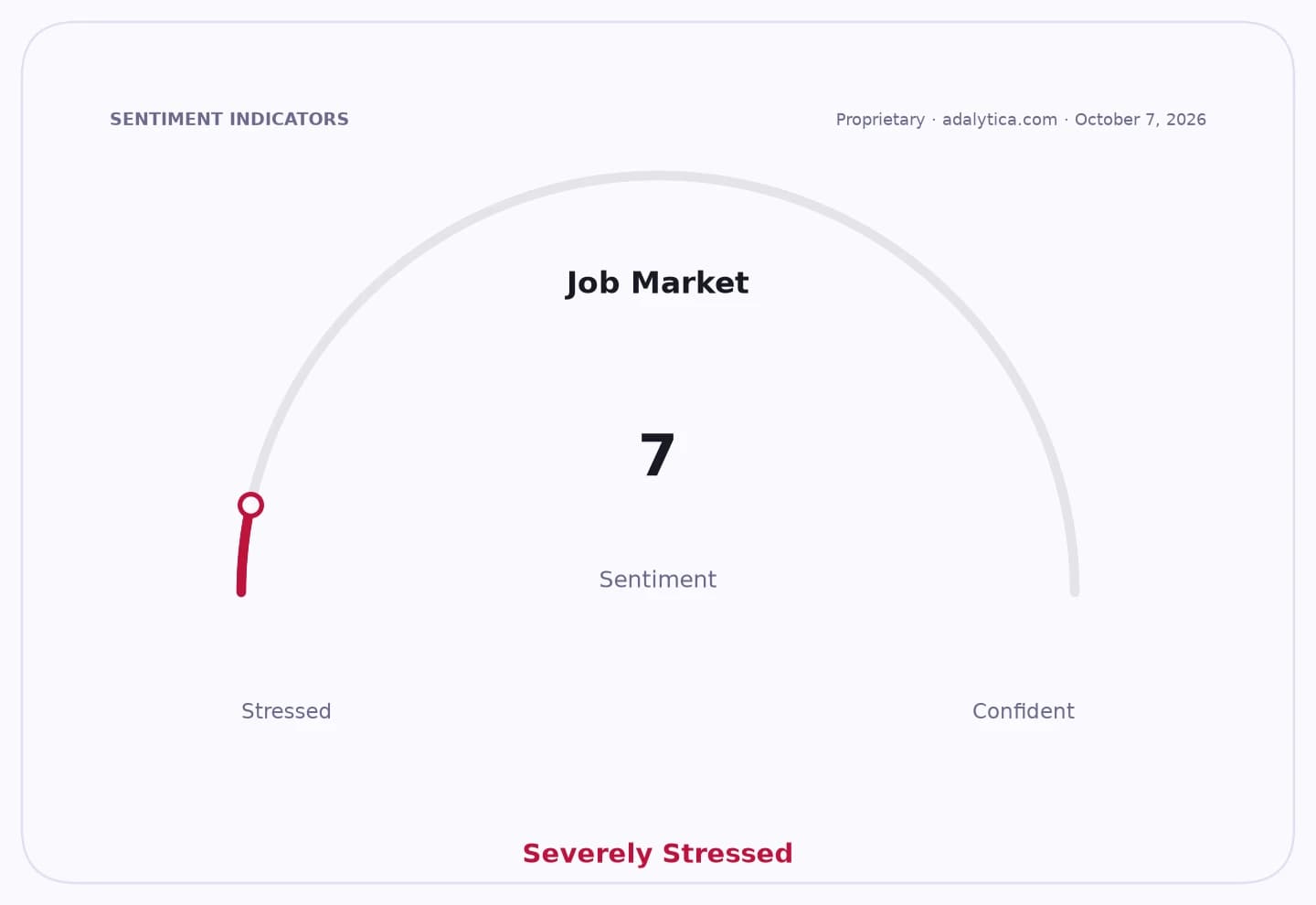
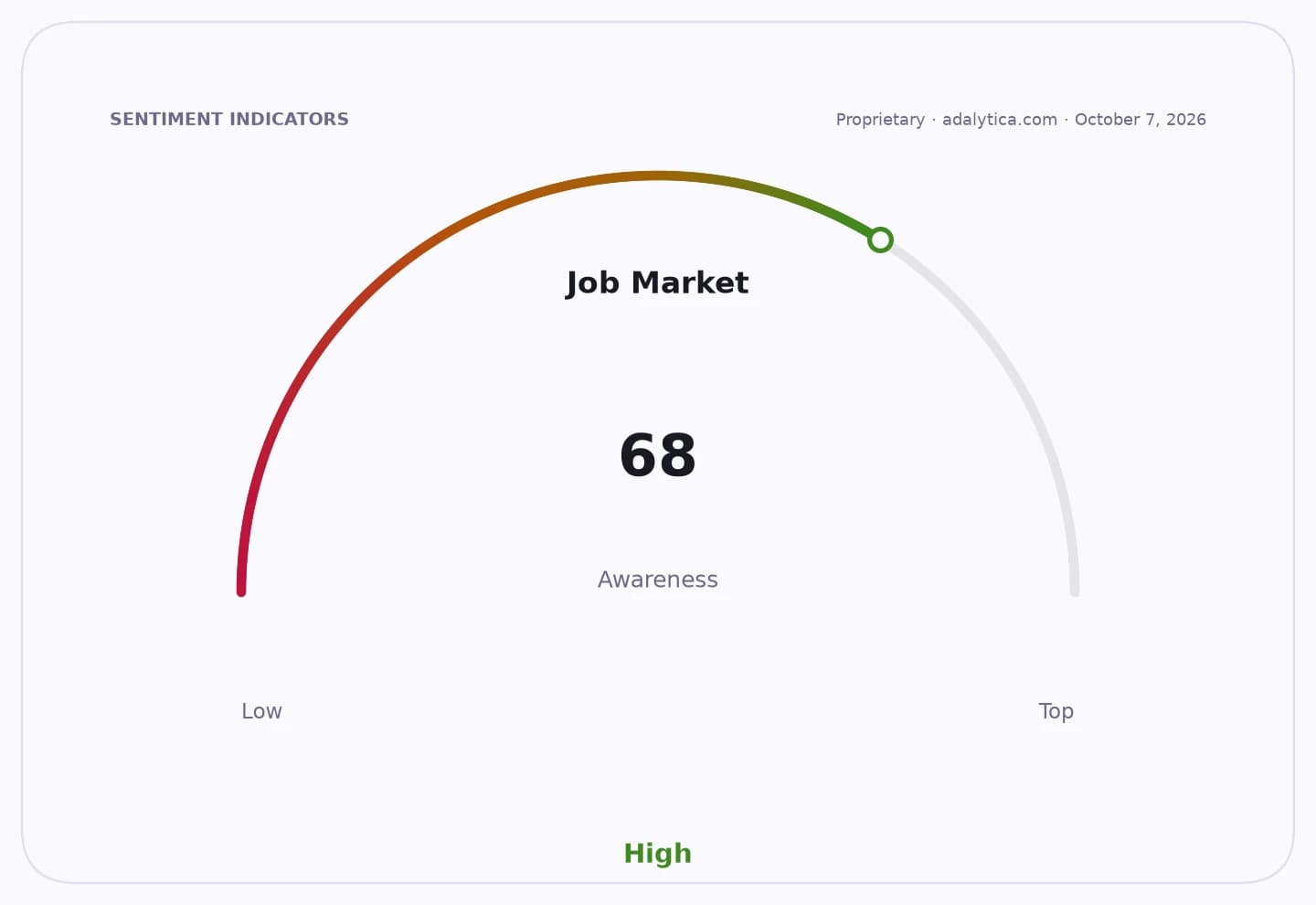
Adalytica’s job-market sentiment gauge currently points to extreme fear, while awareness remains high, underscoring how sensitive markets and employers are to any change in labour policy. In that environment, the key question is not whether the government will act, but how far it will lean toward protection, inspection and wage support versus flexibility and labour-market competitiveness.
For employers and market participants, the next focus will be whether Dudás translates her technocratic stance into tighter enforcement, new employment rules or a more consultative policy process. If the ministry prioritises coherence and legal clarity, companies may see fewer surprises. If it prioritises protection and oversight, investors should expect more pressure on labour costs and compliance across domestic employers.
| Entity | Gains | Losses |
|---|---|---|
| Workers | ▲Stronger protections | ▼Less flexibility |
| Employers | ▲Clearer rules | ▼Higher compliance costs |
| Government | ▲Policy control | ▼Competitiveness trade-off |
| Investors in labour-intensive firms | ▲Predictability | ▼Margin pressure |