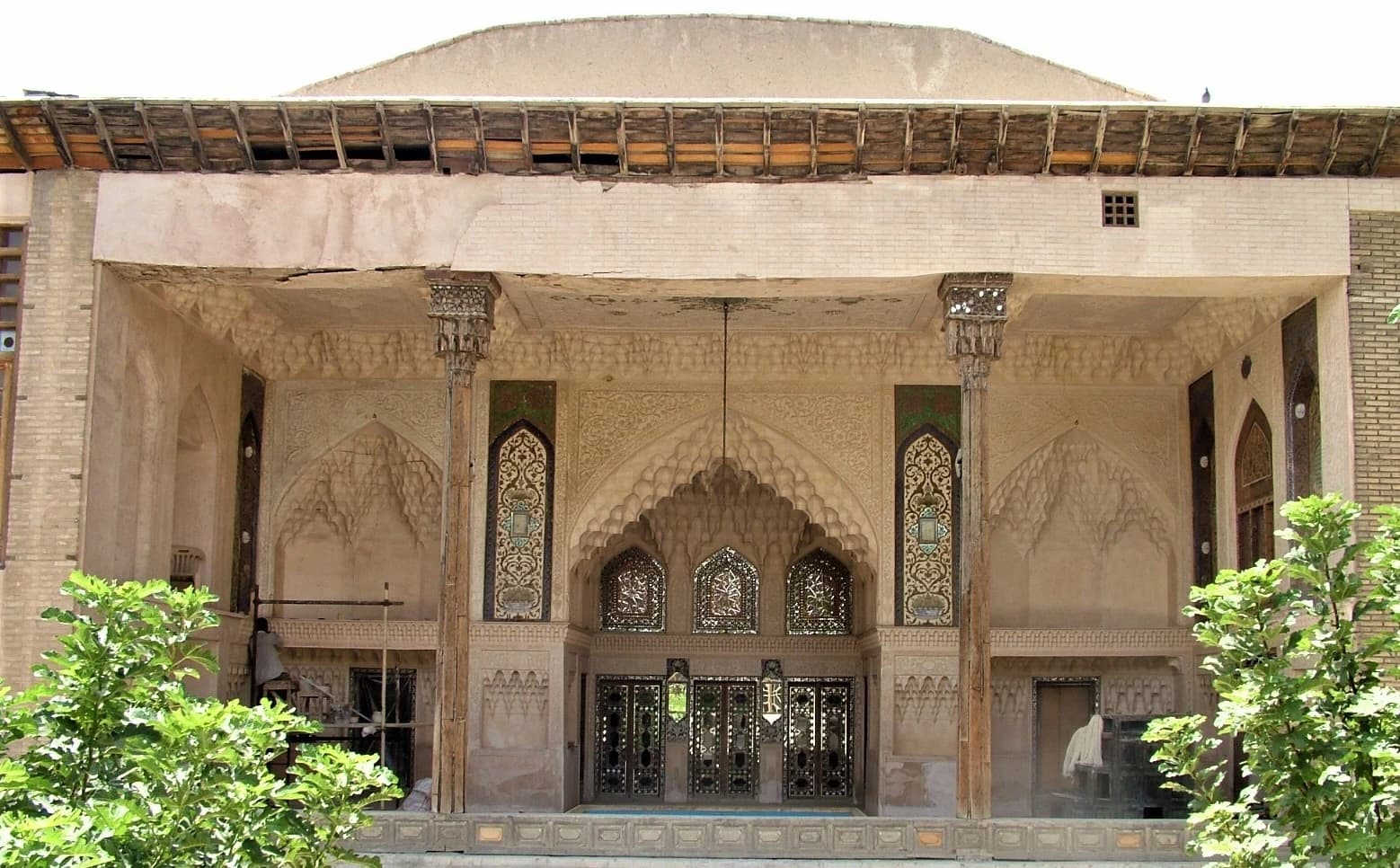
Aramco Stadium is more than a new arena for Saudi Arabia — it is a physical bet that the kingdom can convert cultural spectacle into long-term tourism, spending and investor interest.
Saudi Arabia's Aramco Stadium and tourism push
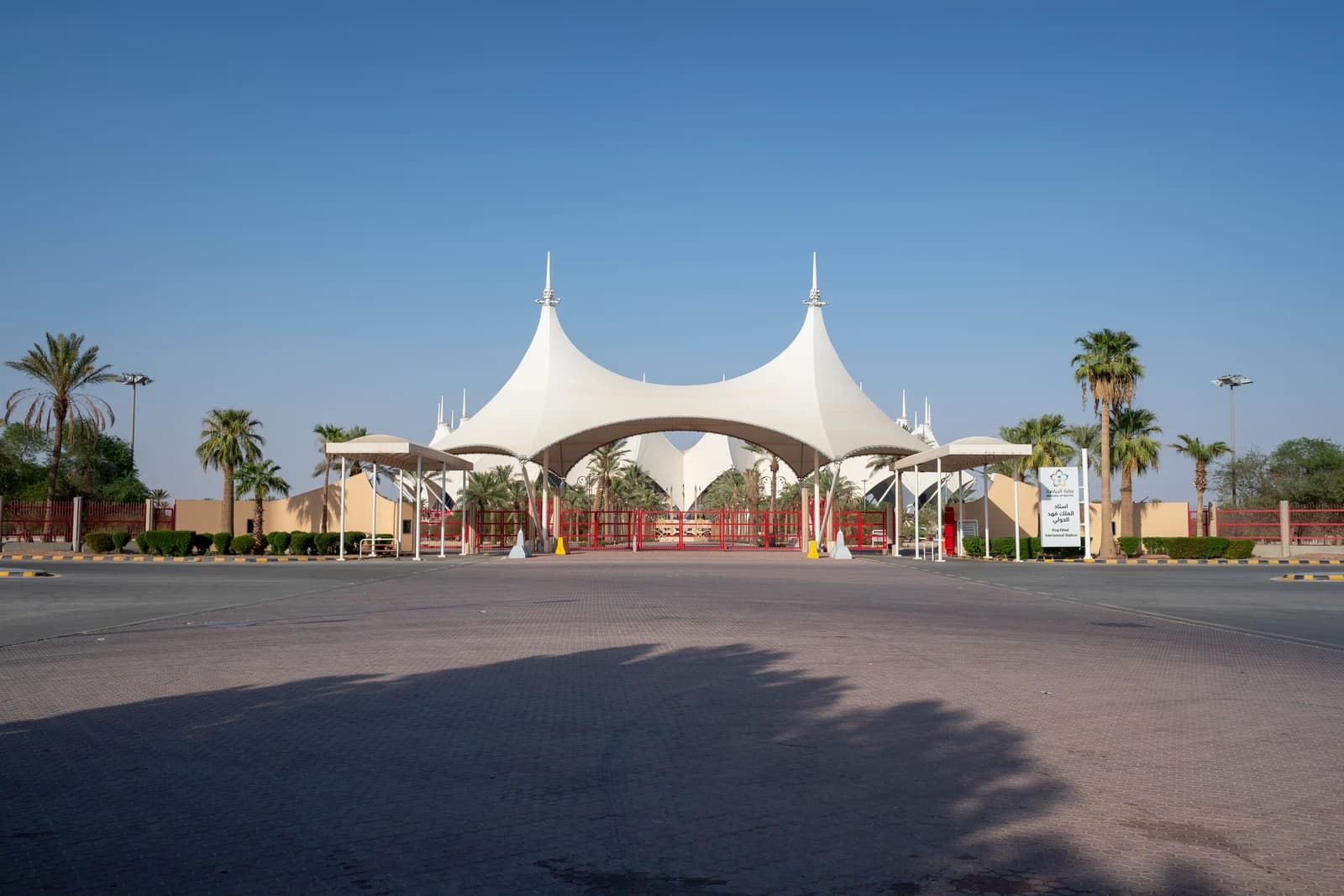
That matters because Saudi Arabia’s economic diversification plan does not succeed on slogans alone. It needs repeatable destinations that draw visitors, create jobs and keep capital moving through hotels, transport, retail and entertainment. A marquee stadium in the kingdom’s cultural and sporting map gives the country another reason for travelers to stay longer, spend more and return.
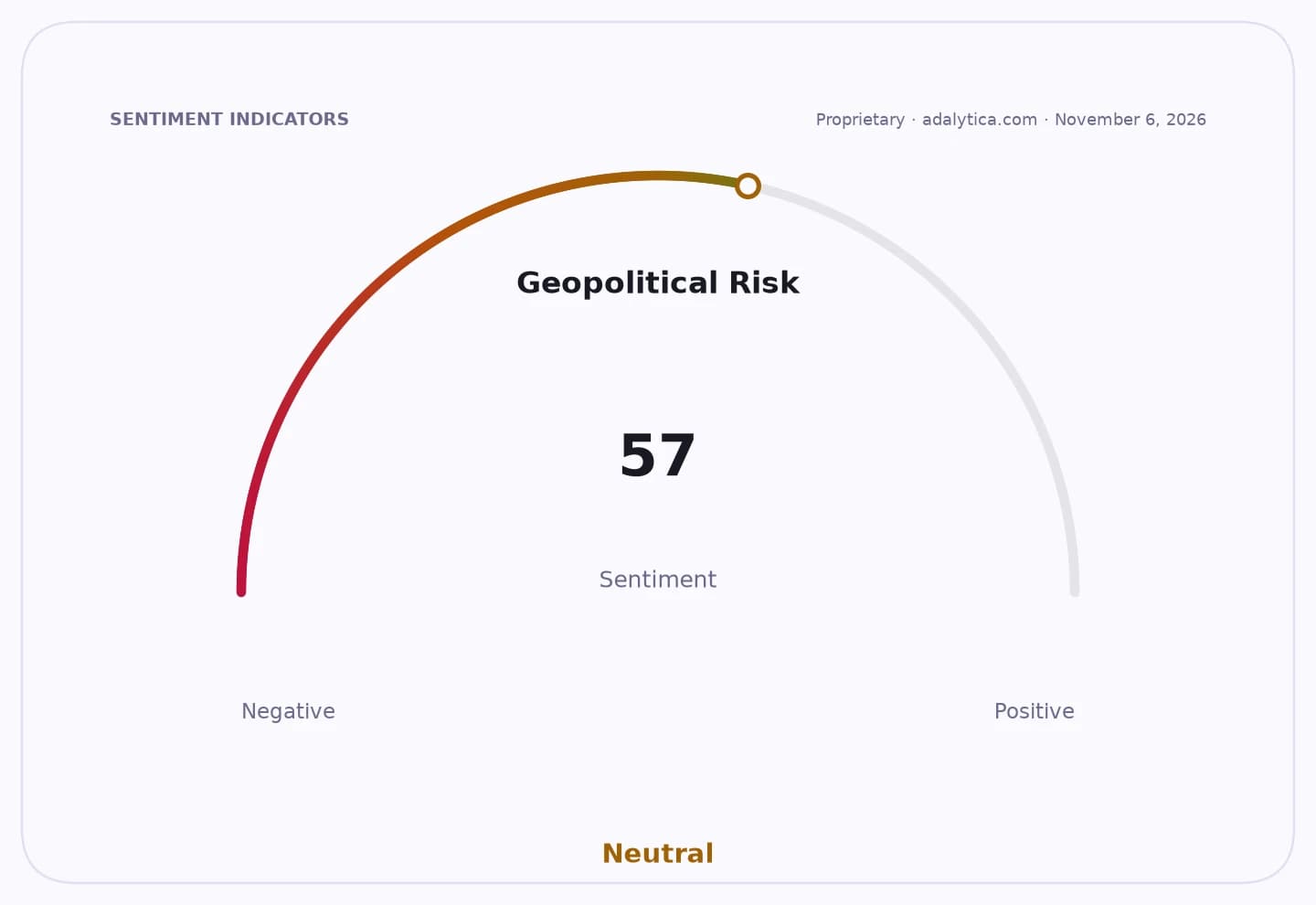
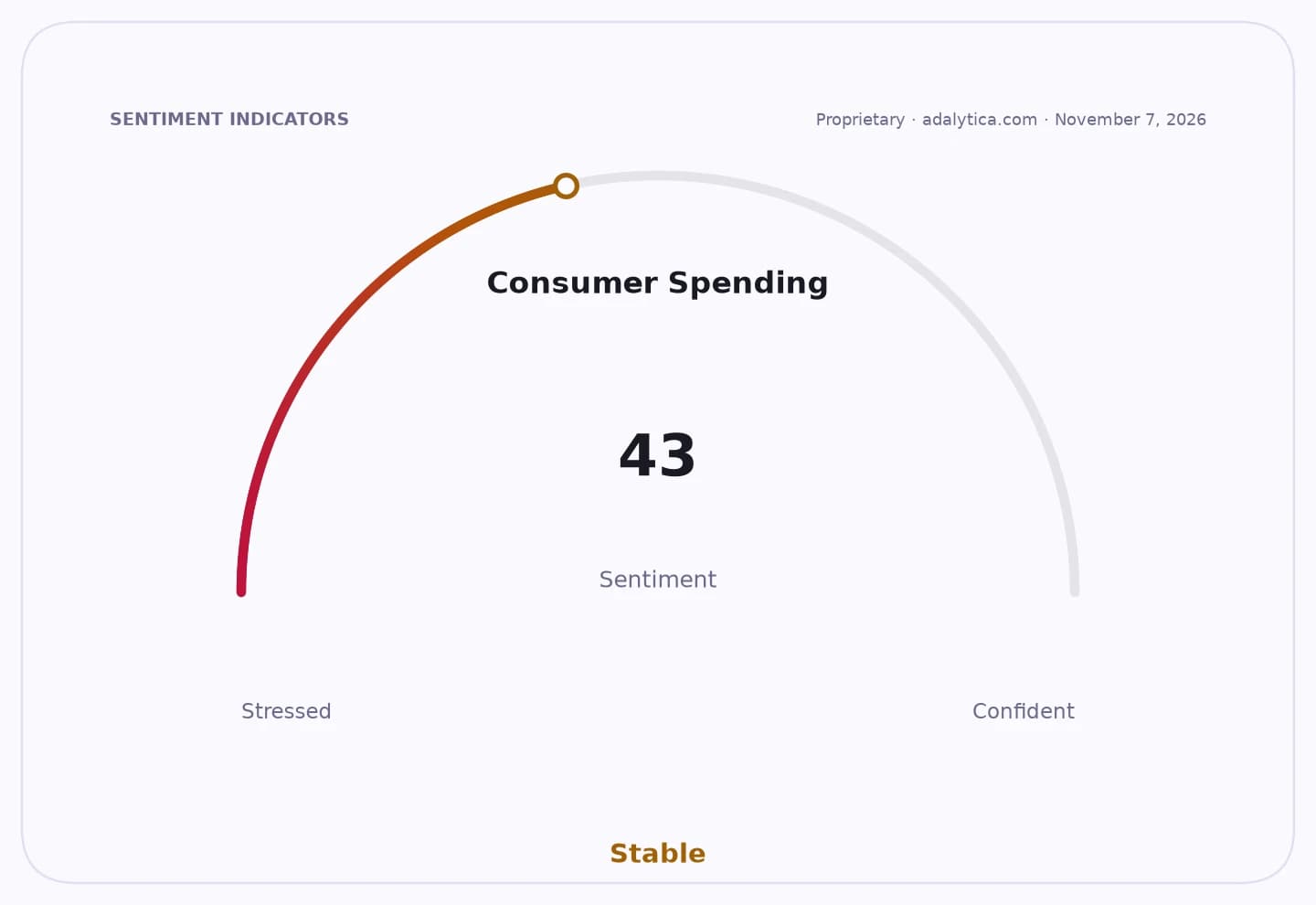
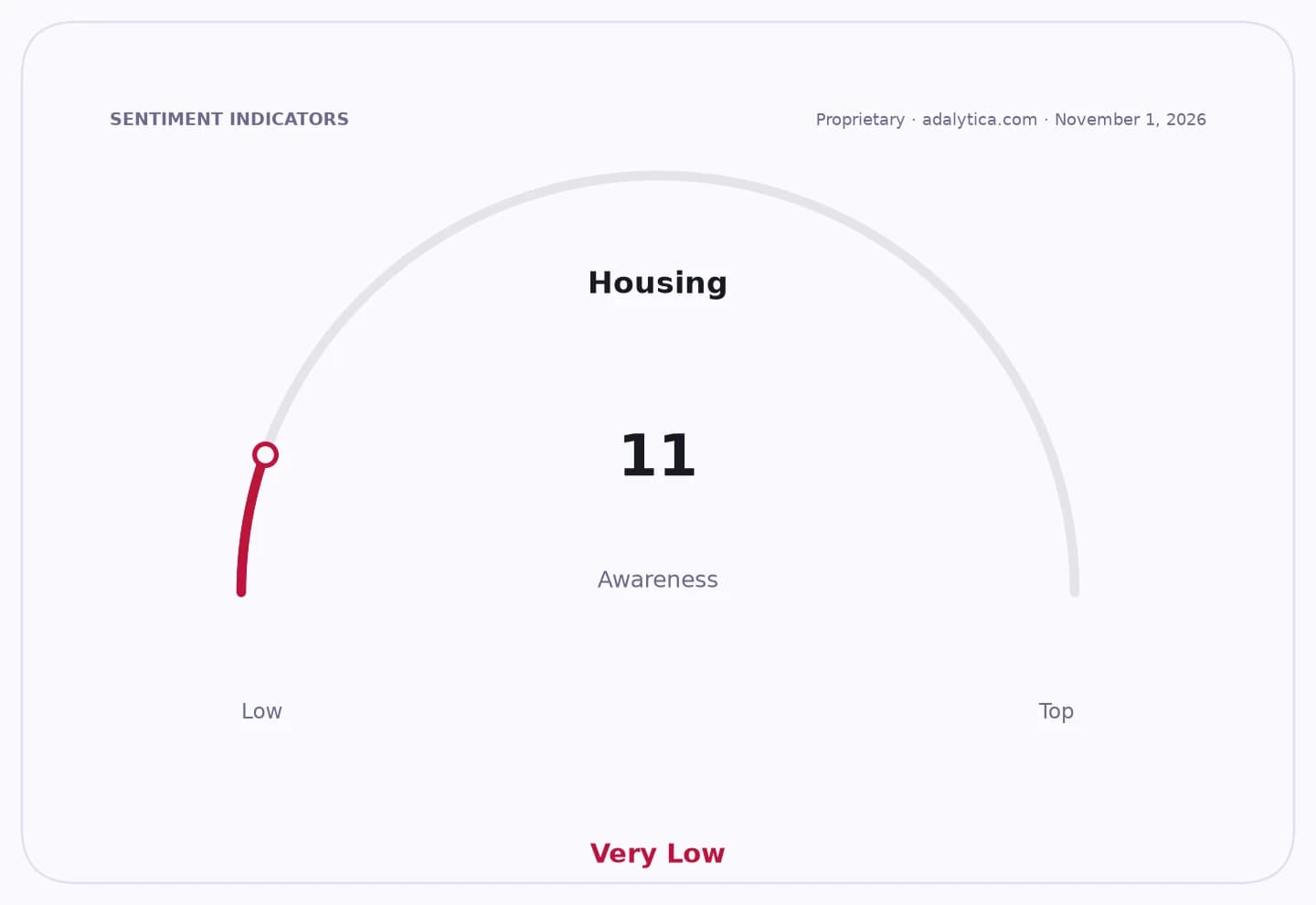
Sentiment Indicators
The timing is important. Saudi tourism officials have just been promoting the kingdom on the global stage at the World Travel Market in London, while the government is also tightening labor rules in tourism and administrative roles to push more hiring toward local workers. That combination tells investors the state is building a domestic tourism industry, not just importing one. If Aramco Stadium helps anchor concerts, matches and large events, it could deepen demand across the wider hospitality chain.
That is where the market relevance starts to show up. Global travel demand has been healthy, but the next phase for Saudi Arabia depends on converting that demand into higher-value trips. Booking Holdings and Hilton have both pointed to resilient travel trends, though both also face a more complicated operating backdrop with inflation, interest rates and route capacity still shaping bookings. A destination like Aramco Stadium helps Saudi Arabia compete for a bigger share of that spending, especially if it becomes part of a broader leisure and event ecosystem rather than a one-off venue.
For investors, the key question is not whether the stadium looks impressive. It is whether it becomes part of an investable tourism flywheel. Stadium-led development can support hotel occupancy, airline traffic, food and beverage sales, entertainment spending and even property demand around major hubs. Over time, that can strengthen the case for Saudi exposure through travel, infrastructure and consumer-linked plays, even if the payoff comes gradually.
There are risks, of course. These projects require sustained policy support, strong event calendars and enough international visitor demand to justify the buildout. If global travel softens or regional volatility rises, the returns can take longer to arrive. But the broader narrative is clear: Saudi Arabia is trying to move from a place people transit through to a place people deliberately visit.
For long-term investors, that is the real story. Aramco Stadium is not just a construction project — it is a marker of Saudi Arabia’s attempt to build a durable leisure economy. If the kingdom keeps pairing world-class venues with tourism promotion and local hiring, the opportunity set gets bigger. Worth watching for patient investors.
| Entity | Gains | Losses |
|---|---|---|
| Saudi Arabia | ▲Tourism diversification | ▼Dependence on oil growth |
| Travel operators | ▲More destination demand | ▼Capacity and cost pressure |
| Local workers | ▲More hospitality jobs | ▼Faster competition for skills |
| Traditional oil narrative | ▲— | ▼Less economic dominance |