Seagate Technology and Western Digital sold off after a Nikkei Asia report that Toshiba could double hard disk drive supply, a move that would deepen a pricing fight in a market that had only just begun to regain discipline.
Seagate and Western Digital fall on Toshiba HDD report
For investors, the key issue is not the headline unit increase itself but what it says about industry balance. Hard drives remain a concentrated market, and any meaningful step-up in output from Toshiba can pressure pricing, delay margin recovery and challenge the assumption that supply will stay tight enough to support today’s elevated earnings power at the two U.S. leaders.
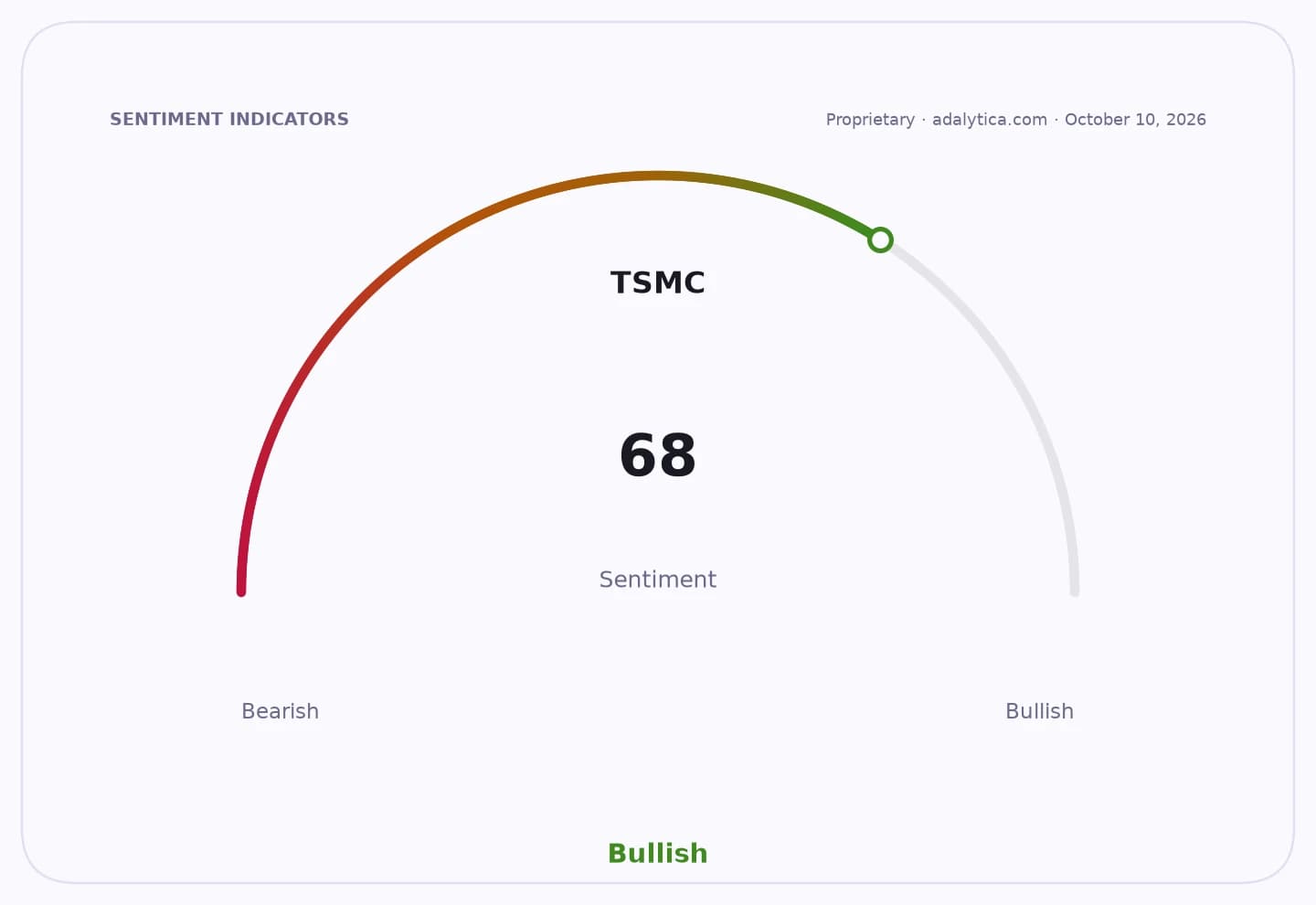
Sentiment IndicatorsⓘProprietary · adalytica.com · October 2, 2026
This is a snapshot — live sentiment, awareness and momentum for 130+ markets update continuously in the dashboard.Open AlphaPulse
That matters because Seagate and Western Digital have both been rerating on the back of a stronger storage cycle and the belief that AI-era data growth would keep nearline HDD demand ahead of supply. The risk now is that an incremental competitor chooses volume over restraint just as the market is still digesting capacity additions and an improved demand backdrop. In a commodity-like hardware business, even a modest supply surprise can swing pricing power quickly.
The stock reaction showed how sensitive the trade has become. Seagate, which had been trading well above its 50-day moving average and briefly looked overextended with a relative strength reading above 70 on recent sessions, fell sharply on Friday. Western Digital also weakened, pulling back after a strong run that had left it stretched versus its own 50-day average. The technical backdrop matters because it suggests investors were already positioned for good news, leaving both names vulnerable to any sign that the cycle could turn less favorable.
The broader investment narrative is straightforward: AI is still driving enormous data creation, but the market may be underestimating how fast supply can catch up when competitors see an opening. If Toshiba adds meaningful capacity, the near-term winners are customers and data buyers, while the losers are the incumbent HDD vendors that have benefited from scarcity, pricing discipline and a tighter supply environment.
I still see the long-term storage theme intact, but this is a reminder that the most attractive opportunities in the sector are not necessarily the drive makers themselves. The better risk-reward may sit with the picks-and-shovels names tied to AI storage infrastructure, where demand is growing without the same direct exposure to HDD pricing swings. For now, investors should treat Seagate and Western Digital as cycle-sensitive trades, not straight-line AI beneficiaries.
| Entity | Gains | Losses |
|---|---|---|
| Toshiba | ▲More market share | ▼Lower pricing power |
| Seagate | ▲Longer-term demand growth | ▼Near-term margin pressure |
| Western Digital | ▲Storage cycle tailwind | ▼Share-price weakness |
| HDD buyers/data centers | ▲Lower input costs | ▼— |