Tokyo stocks tumbled on Monday, with the Nikkei 225 briefly falling more than 1,400 points as a selloff that began in New York spread through semiconductor-related shares and other AI-linked names.
Nikkei Falls as AI Chip Selling Spreads from Wall Street
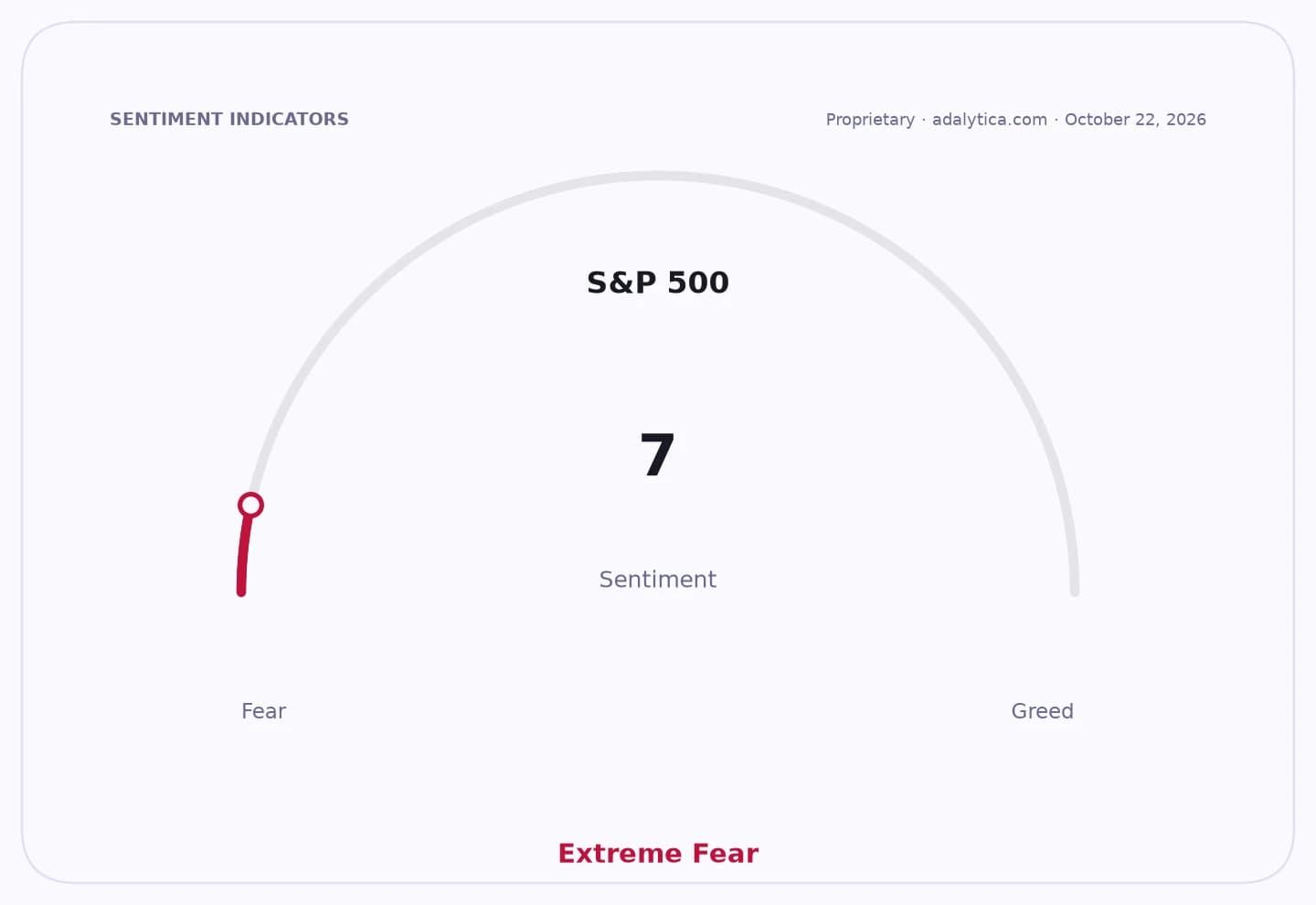
The drop matters because it shows how quickly doubts about the earnings power of artificial intelligence are being translated into market value. Investors have been willing to pay up for chipmakers and suppliers on the assumption that heavy AI spending will keep driving demand, but the latest slide suggests that narrative is now being tested by a harder question: whether startups building on that spending can turn growth into sustainable profits.
The trigger came from Wall Street, where semiconductor and IT shares fell sharply on concern that AI-related startups may struggle to expand revenue fast enough to justify their valuations and infrastructure spending. That pressure carried into Tokyo from the open, with semiconductor stocks at the center of selling. The move is particularly significant in Japan because the Nikkei has been heavily supported by global demand for chips and equipment used in AI data centers, making the index vulnerable when sentiment toward the sector cools.
The selloff also points to the broader fragility of the AI trade. Chip stocks have been among the market’s strongest performers this year, but the recent price action suggests investors are becoming less willing to look through near-term earnings risk. The SOXX semiconductor ETF, a proxy for the U.S. chip sector, closed at 475.36 in the latest data, well below its 50-day moving average of 533.87 and with RSI at 12.8, a reading that underscores how severely the sector has been sold. Nvidia and Arm have also lost momentum, with both trading below their short-term trend levels and their relative strength indicators deep in oversold territory.
For investors, the immediate implication is that valuations across the AI supply chain may need to reset if earnings delivery does not catch up with capital spending. That creates a split between winners and losers: chipmakers with direct AI exposure may continue to benefit from demand, but their shares are increasingly hostage to sentiment around end-market profitability. If investors continue to question the return on AI investment, the correction could extend beyond semiconductors into broader technology and growth stocks.
The next test will be whether U.S. earnings and guidance can restore confidence that AI spending is translating into durable profits. Until then, the Nikkei’s slump suggests Japan’s market is being pulled into a global de-rating of the AI theme rather than reacting to a domestic catalyst.
| Entity | Gains | Losses |
|---|---|---|
| AI startup skeptics | ▲lower valuations | ▼crowded AI longs |
| Semiconductor makers | ▲continued order flow | ▼multiple compression |
| Japanese export-heavy tech stocks | ▲weak yen support | ▼risk-off selling |
| Global equity bulls | ▲none | ▼momentum unwind |