The SEC is preparing to debate whether U.S. stock markets should move to round-the-clock trading, a change that could remake how exchanges compete, how investors manage risk and how global capital accesses American equities.
SEC debates 24-hour U.S. stock trading
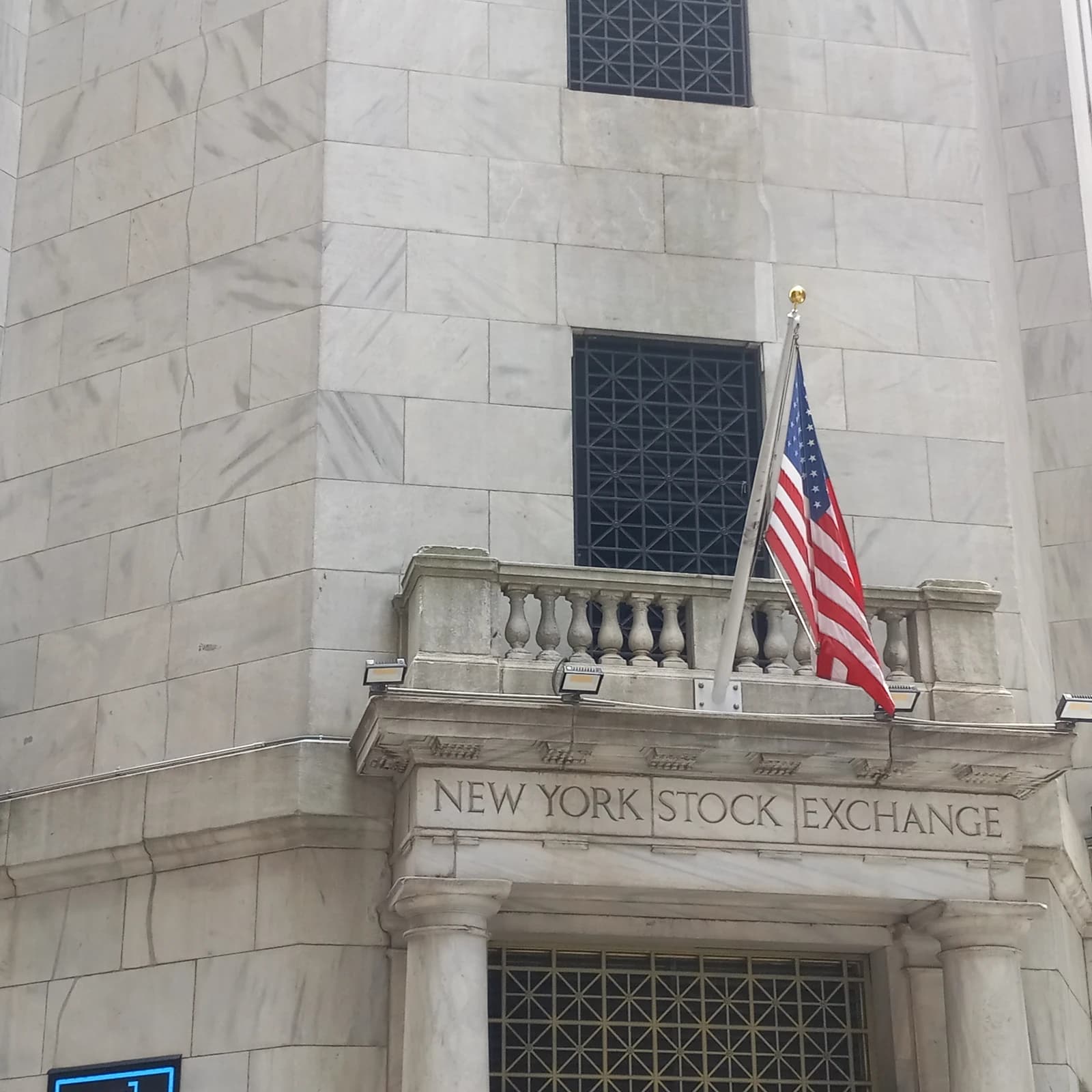
A 24-hour regime would extend U.S. market access beyond the current session and push the industry closer to the always-on model that already defines major parts of futures, FX and crypto trading. For investors, the appeal is obvious: easier reaction to overnight headlines, more flexibility for global portfolios and potentially tighter integration between U.S. shares and foreign markets. For exchanges, it means heavier technology costs, new liquidity challenges and a likely fight over who captures order flow outside regular hours.
The debate lands at a sensitive moment for the market-structure business. Nasdaq, Intercontinental Exchange and Cboe Global Markets all rely on trading volumes, data fees and market connectivity for a large share of revenue, and a shift to longer hours could redistribute that activity rather than simply add it. Extended trading can also thin liquidity if participation does not deepen at the same pace, raising the risk of wider spreads and more volatile price moves in the overnight window.
Nasdaq shares recently traded around $94.59, above both the 50-day and 200-day moving averages, while Cboe was near $286.58, also above its shorter-term trend and just above its 200-day average. ICE traded around $150.30, with its 50-day average well below the stock but the 200-day still higher, reflecting a market that is already weighing how durable exchange earnings will be if regulatory reform changes the rules of engagement.
Nasdaq’s latest filing showed U.S.-listed securities matched share volume rose to 20.2 billion shares in the June quarter from 18.4 billion a year earlier, underscoring how sensitive exchange revenue remains to trading intensity. ICE’s filing warned that market-structure changes and federal moves on prediction markets could affect derivatives volumes, while Cboe has been leaning on strong options and data franchises as investors trade more aggressively around volatility.
If the SEC advances the transition, the biggest winners could be active traders, global institutions and platforms that can scale technology and liquidity provision across time zones. The losers would likely be smaller brokers, market makers and any exchange that fails to turn 24-hour access into sustained volume rather than just longer operating costs.
The next catalyst is the SEC’s formal review and any outline of how after-hours quotes, surveillance, settlement and investor protections would work in a nonstop market.
| Entity | Gains | Losses |
|---|---|---|
| Global investors | ▲Faster overnight access | ▼Less trading-session fragmentation |
| Nasdaq / ICE / Cboe | ▲More order-flow opportunities | ▼Higher tech and liquidity costs |
| Market makers / brokers | ▲Wider product demand | ▼Harder inventory and risk management |
| U.S. exchanges vs. foreign venues | ▲More international relevance | ▼More competition for liquidity |