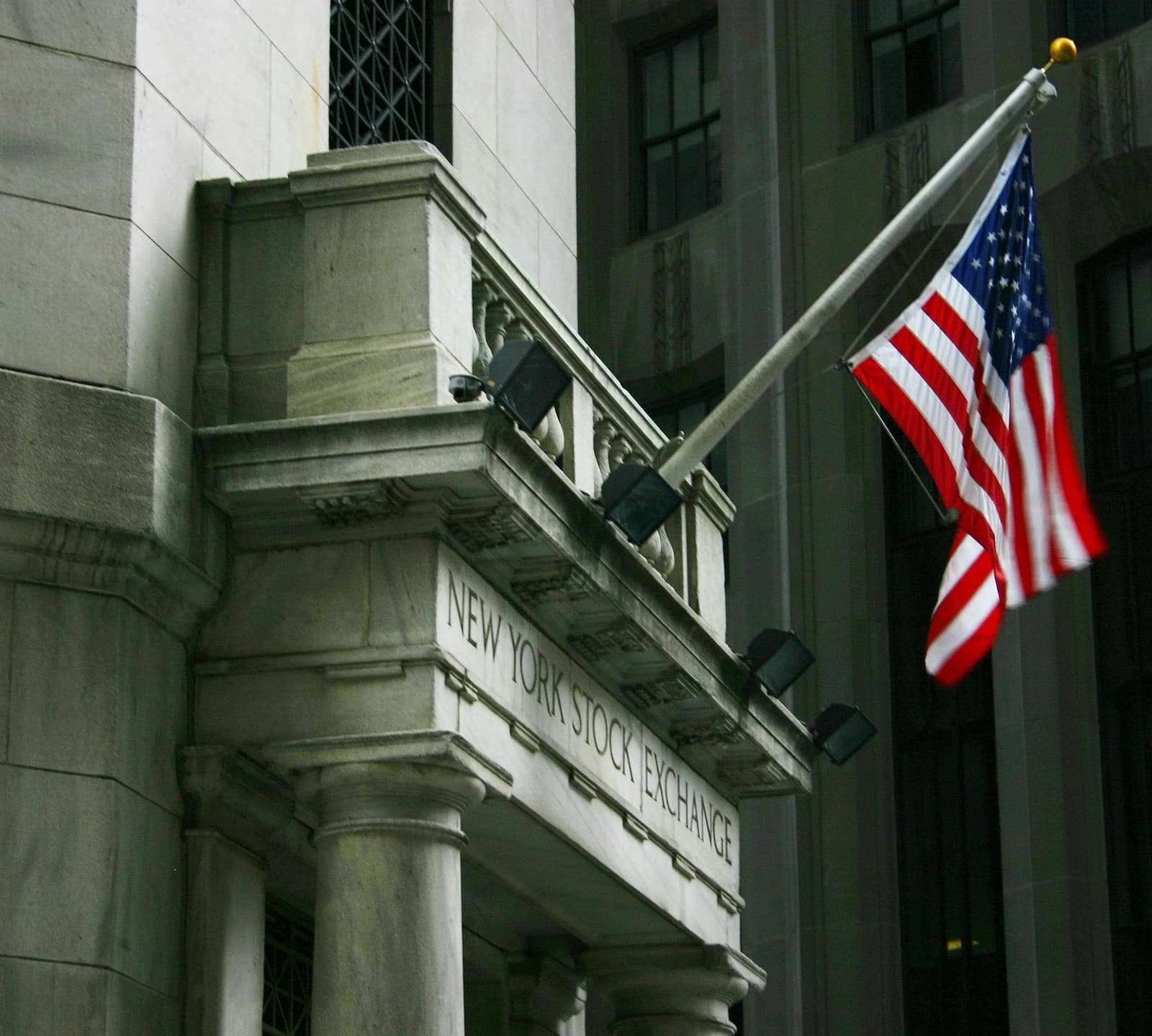
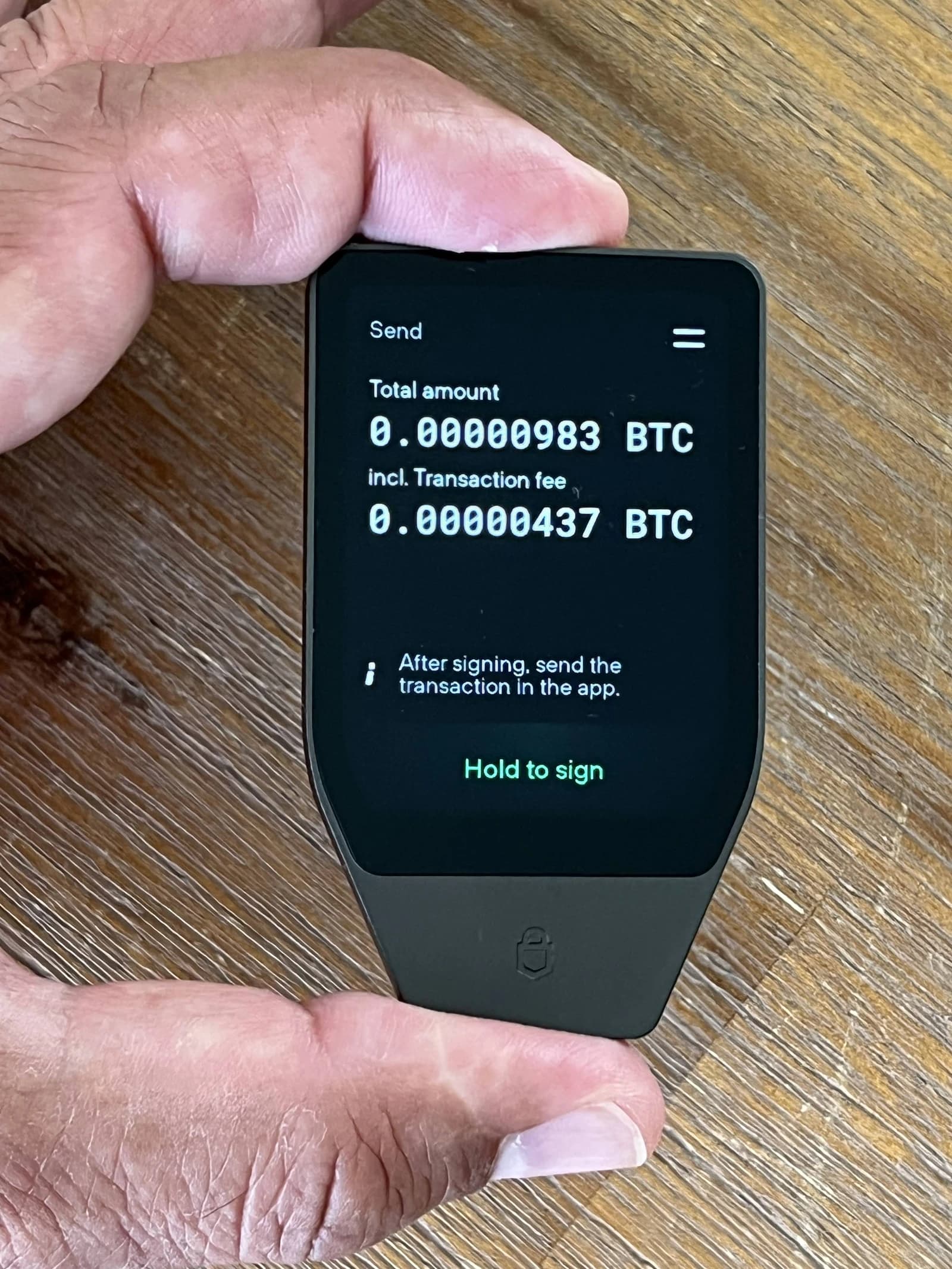
The biggest story for crypto investors isn’t Bitcoin’s latest swing — it’s whether the SEC is about to redraw the rulebook in a way that could make digital assets easier for mainstream finance to hold, trade and custody. That kind of change matters because clearer rules can bring in deeper pools of capital, lower compliance risk and give the market a more durable foundation than the stop-start environment crypto has lived under for years.
SEC Crypto Rulebook Could Aid Bitcoin and Coinbase

The setup is powerful. Bitcoin is still trading around $77,075, roughly 32% above its 50-day moving average and far above its 200-day moving average near $69,076, even after a volatile year that saw prices plunge toward $62,702 in February before recovering. Ethereum, meanwhile, is back near $2,451, also well above its 50-day and 200-day moving averages. Those are not the charts of a market waiting for extinction. They look like an asset class trying to digest the next phase of institutional adoption.

That is why the SEC’s next moves matter so much. If regulators simplify the path for exchanges, brokers, custody providers and token issuers, the beneficiaries are likely to be the big market infrastructure names first — the platforms, custodians and ETF issuers that can turn a once-fragmented market into something more investable for pensions, advisers and asset managers. Coinbase, the clearest public-market proxy for crypto activity, has already climbed to $186.49, reflecting the market’s view that regulatory clarity can be as valuable as a new product cycle.
For long-term investors, the key question is not whether crypto remains volatile. It will. Bitcoin’s RSI is above 84, which suggests the market is technically stretched in the short run, and Ethereum’s RSI is also elevated. But if the SEC moves from enforcement-first ambiguity to a more predictable framework, the economic impact could be bigger than any single price level. Lower regulatory friction tends to widen participation, improve liquidity and reduce the discount investors place on legally uncertain assets.

That is especially important for Bitcoin and Ethereum because their investment cases are increasingly tied to infrastructure, not just speculation. Bitcoin’s persistent trading above long-term averages reinforces the idea that institutional demand is becoming a structural force. Ethereum’s position above key moving averages points to a market still betting on the network’s role in tokenization, stablecoins and decentralized applications. In other words, regulation is no longer just a risk factor — it is becoming a core part of the thesis.
Of course, this is still a policy story, not a done deal. The SEC can open doors without eliminating risk, and any rules around custody, disclosures, conflicts of interest or token classification could still be strict enough to slow some projects. Crypto-linked businesses will also remain exposed to headlines, enforcement actions and sharp price swings. But investors who think in years, not days, should care less about the next breakout and more about whether the market is being ushered into the financial mainstream.
If the SEC succeeds in setting clearer, more durable rules, the biggest winner may be crypto as an asset class itself — with Bitcoin and Ethereum becoming easier to own, and regulated platforms like Coinbase and ETF providers becoming the plumbing of a much larger market. That’s the kind of change worth watching closely, and one that long-term investors should keep on the radar.
| Entity | Gains | Losses |
|---|---|---|
| Bitcoin and Ethereum investors | ▲Easier access, deeper demand | ▼Near-term volatility remains |
| Coinbase and crypto exchanges | ▲More trading activity, clearer rules | ▼Higher compliance burden |
| Institutional allocators | ▲Better custody and legal clarity | ▼Less room for regulatory arbitrage |
| SEC skeptics and crypto hardliners | ▲— | ▼Less influence over market design |