A Birmingham convenience shop faces having its alcohol licence revoked after Home Office investigators found it employed an illegal worker who had overstayed his visa and was being paid just £6 an hour, underscoring how immigration breaches can quickly turn into licensing and financial penalties for small retailers.
Select Xpress faces alcohol licence revocation
The case matters economically because it shows enforcement is not limited to the immigration offence itself. Once an illegal worker is found behind the counter, the business can be hit with civil penalties, licence action and reputational damage that can threaten day-to-day trading. For a small shop selling alcohol off the premises, losing its licence would be far more costly than the original fine.
Sentiment Indicators
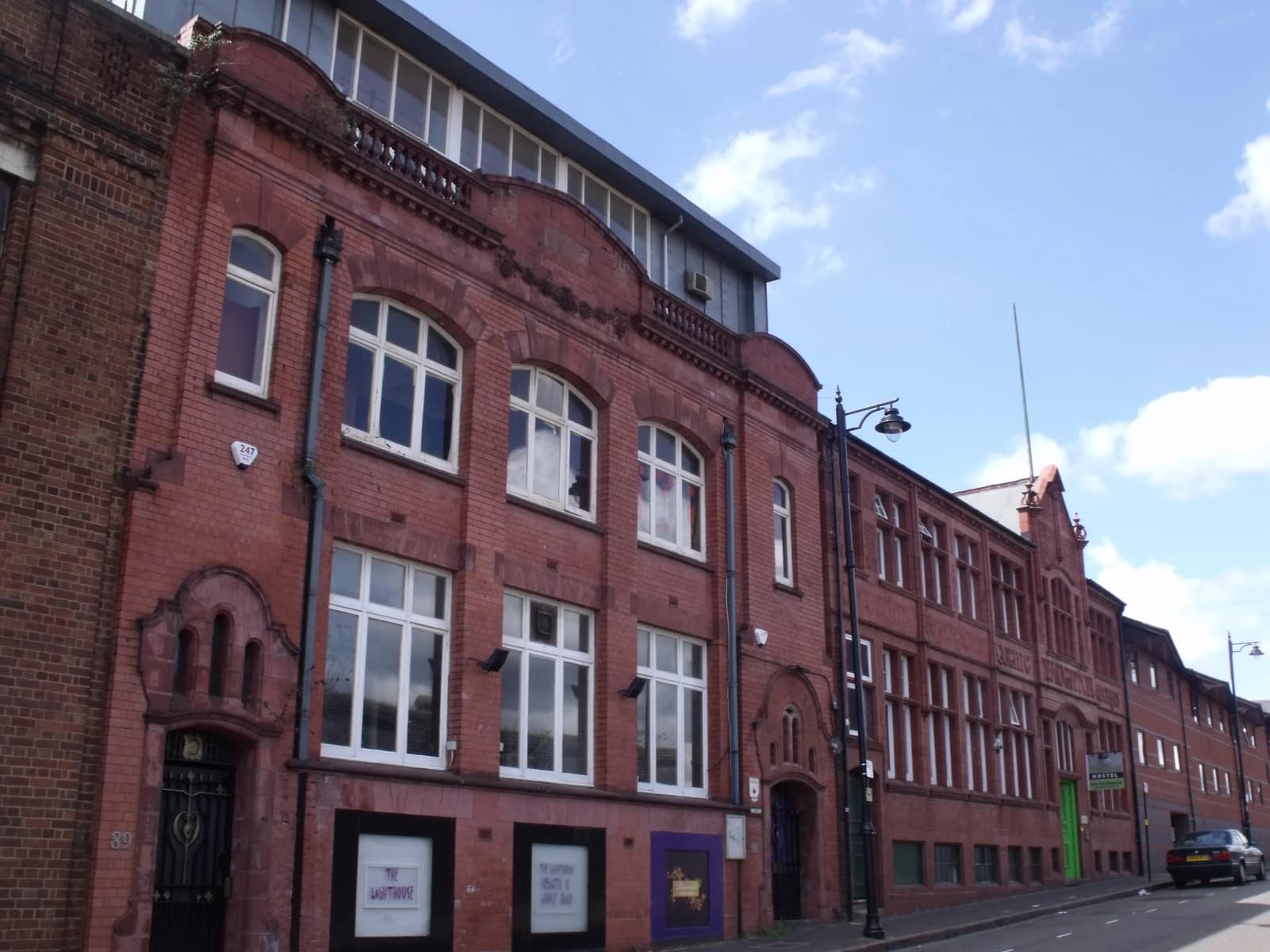
The Home Office said its West Midlands compliance team raided Select Xpress in College Road, Kingstanding, after receiving a tip-off that the owner was employing illegal workers. Officers found an Indian national serving customers alone, including handling alcohol sales, and later concluded the worker’s visa had expired in May 2022 despite repeated rejected applications to remain in the UK.
The worker told officials he had been there for more than two years, worked five hours a day seven days a week and paid himself in cash from the till. The Home Office said he was paid £6 an hour, less than half the legal minimum wage of £12.21 at the time of the visit, and said the underpayment indicated possible financial exploitation.
For investors, the immediate relevance is less about one corner shop than about enforcement risk across labour-intensive retail and convenience formats. Employers that fail to carry out right-to-work checks face not only fines — in this case a £40,000 civil penalty that remains unpaid — but also the prospect of licence revocation, which can destroy enterprise value for a small operator.
The case also highlights a broader tension in low-margin retail: wage pressure, labour shortages and weak compliance controls can encourage risky hiring practices, but those short-term savings can be swamped by regulatory costs. The Home Office said the shop’s management should have known its obligations and argued that a warning would be inappropriate because illegal working appeared to have been done for commercial reasons.
The outcome now depends on Birmingham City Council’s licensing committee after a public consultation closes on Nov. 18. If the licence is revoked, the business would lose a key revenue stream; if it survives, the case still signals that immigration enforcement is increasingly being linked to licensing standards, not treated as an isolated compliance matter.
| Entity | Gains | Losses |
|---|---|---|
| Home Office | ▲Enforcement credibility | ▼None directly |
| Birmingham City Council | ▲Stronger licensing oversight | ▼Administrative burden |
| Compliant retailers | ▲Fairer labour competition | ▼None directly |
| Select Xpress | ▲None | ▼Licence, cash flow, reputation |