Spain’s growing push to mandate scooter use and tighten rules around mobility vehicles is another sign that Europe is no longer treating micromobility as a free-for-all, and that matters for investors because regulation is starting to shape who can profit from urban transport.
Spain Scooter Rules Affect Uber, Alphabet, Polaris
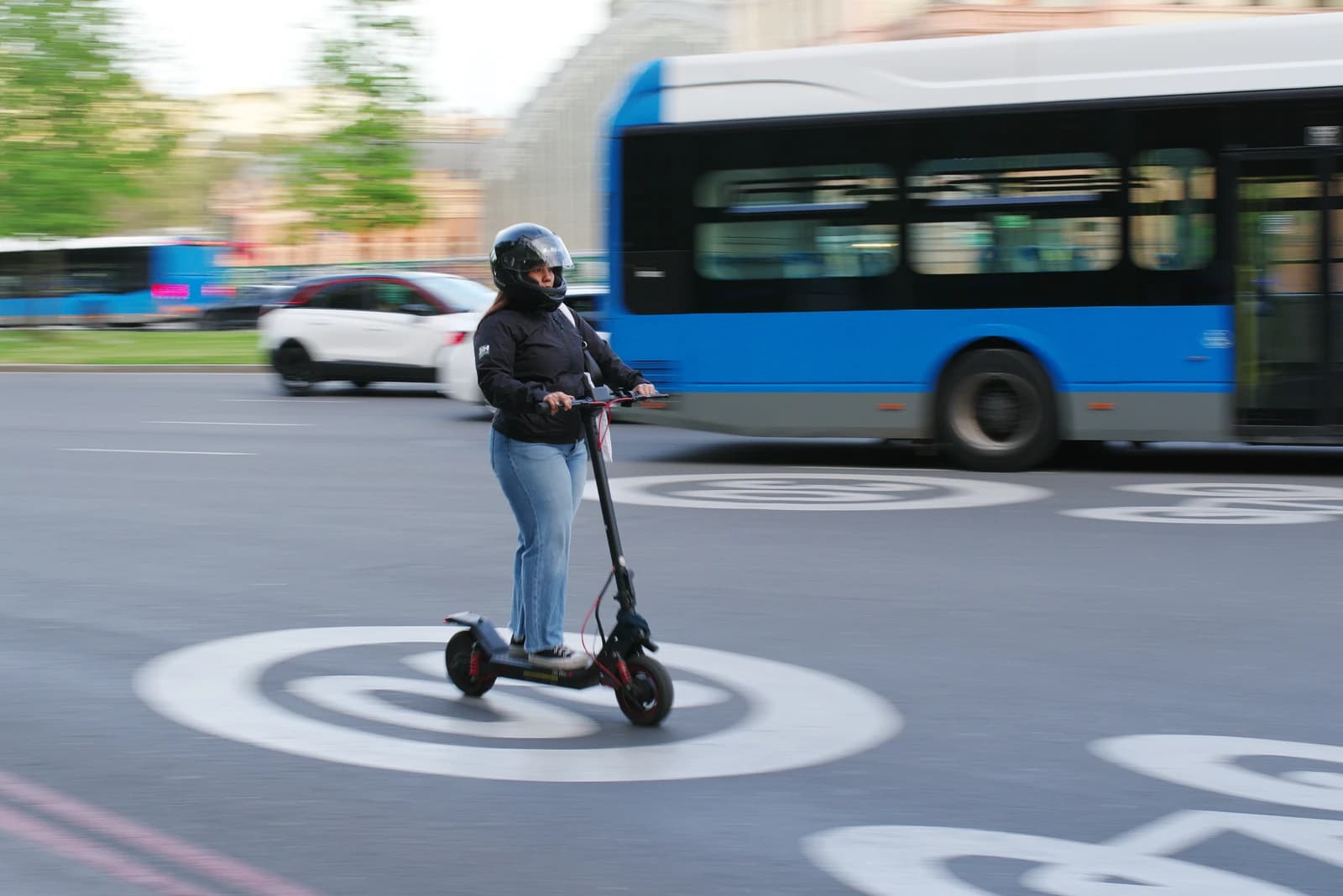
When cities clamp down on scooters, the impact goes well beyond a few parking tickets. The economics of ride-hailing, delivery, and urban mobility depend on predictable access to crowded streets, clear liability rules and public acceptance. If regulators decide scooters need licenses, age limits, restricted zones or outright bans in some areas, the addressable market for operators narrows and compliance costs rise. That is the real story for Alphabet, Uber and scooter and vehicle makers such as Polaris: policy is becoming a business input, not just a backdrop.
Sentiment Indicators

The latest move in Benidorm, along with stricter enforcement and reports of thousands of fines, fits a broader European pattern. Officials are reacting to safety concerns after accidents and fatal crashes, while residents are increasingly skeptical of scooters cluttering sidewalks and roads. The political message is clear: convenience will not outrun safety concerns. That makes the sector more mature, but also more constrained. Growth in scooters may still continue, yet it is likely to come with more rules, lower margins and less freedom to expand quickly.
For investors, that changes how these businesses should be valued. A company that can operate under tighter regulation with lower legal risk and better compliance has a stronger long-term moat than one relying on rapid, lightly regulated adoption. Uber, which already has to navigate a patchwork of transport rules across markets, has a better chance of absorbing regulatory friction than smaller operators. Alphabet’s mobility-related bets are similarly more attractive if they can be tied to software, routing, payments and platform control rather than asset-heavy scooter fleets. Vehicle and component suppliers such as Polaris may feel pressure if regulation slows unit growth, but they also benefit if a more formal market favors durable, higher-quality products over cheap, disposable hardware.
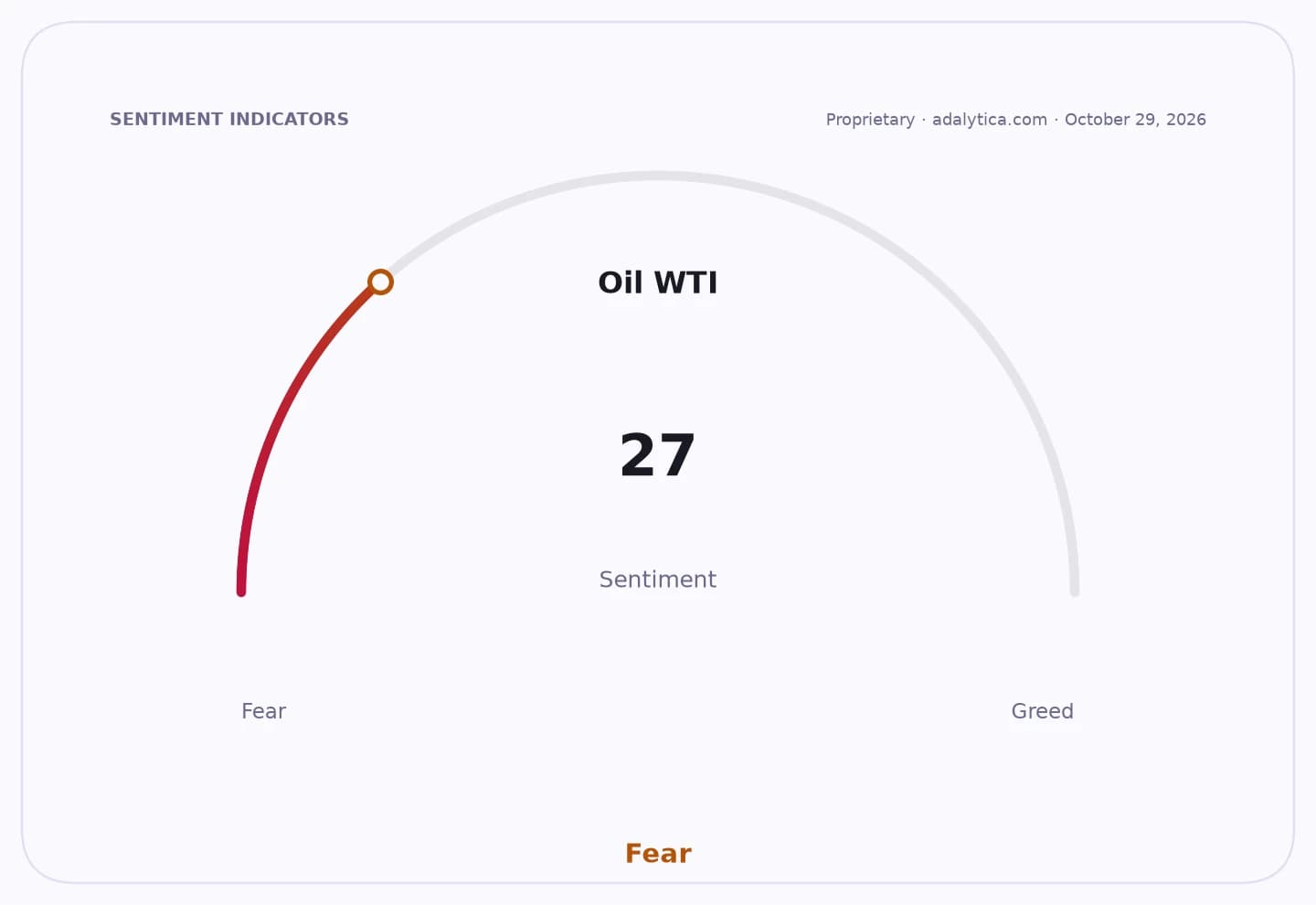
Technically, the stock backdrop is mixed but resilient. Alphabet has recovered above both its 50-day and 200-day moving averages, while Uber remains below those levels after a softer run. That tells investors the market is still sorting winners from losers as regulation, consumer demand and operating leverage pull in different directions. The broader market is also sitting in a fearful mood even as awareness is high, which often creates opportunity for patient investors who can look past the latest headline.
The long-term takeaway is simple: scooter regulation is not a niche policy story. It is part of a wider reset in urban mobility, and the companies that win will be the ones that can scale safely, profitably and in full view of regulators. For investors, that makes the best names worth watching closely — and the weakest ones vulnerable to being squeezed as Europe rewrites the rules.
| Entity | Gains | Losses |
|---|---|---|
| City regulators | ▲Safer streets, more control | ▼Backlash from users |
| Established platforms | ▲Clearer rules, fewer rivals | ▼Higher compliance costs |
| Scooter users | ▲Better safety standards | ▼Less convenience, fewer freedoms |
| Small scooter operators | ▲— | ▼Growth and margins |