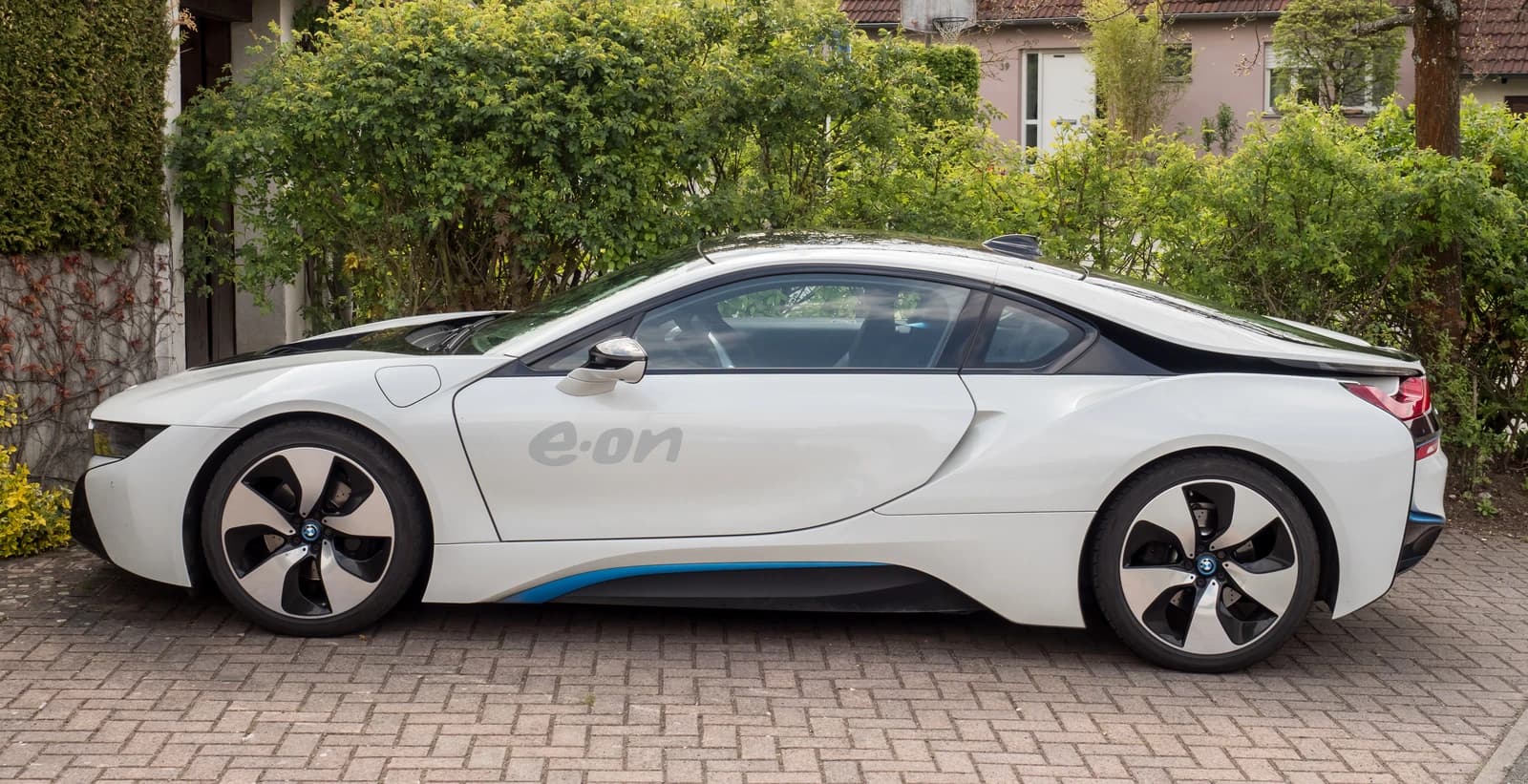
Alberto Copado, chief executive of Alphabet Spain, says corporate mobility is shifting from a back-office expense into a strategic lever for competitiveness, a view that matters as companies across Europe rethink fleets, costs and electrification amid fast-moving regulation and technology change.
Alphabet Spain says fleet mobility is becoming strategic
For investors, that is the real story: fleet management is no longer just a leasing business, but a data-rich infrastructure play tied to emissions targets, productivity and the rollout of electric vehicles. Alphabet, the BMW Group’s corporate mobility arm, says it has now surpassed 100,000 vehicles in Spain, a milestone that underscores how deeply the model is being embedded in enterprise operations.
Copado’s message is that the market is underestimating the second-order effects of this transition. Companies are not simply choosing cars; they are redesigning how employees move, how costs are controlled and how compliance is managed. That puts mobility providers in a position to capture recurring demand for consulting, digital tools and electrification services, not just monthly lease revenue.
He said clients are increasingly asking for help with efficiency, sustainability, digitalization and adaptation to a more complex operating environment. In other words, the value proposition is moving up the stack. The winner is the provider that can combine fleet scale with software, analytics and advisory services — the kind of platform economics investors usually prize in other parts of the mobility and industrial value chain.
The electrification angle is especially important. Copado said the debate has moved beyond whether to electrify and toward how to do it efficiently from an operational and economic standpoint. Alphabet’s eMobility Consulting unit has already helped secure more than 6 million euros in Plan MOVES subsidies, showing that the battleground is not just vehicle sales but the ability to navigate incentives, infrastructure and total cost of ownership.
That is where the asymmetric opportunity sits. As fleets electrify unevenly, companies that can translate data into deployment decisions should take share from traditional lessors and fragmented service providers. The market also tends to overlook how electrification increases the need for ongoing consulting, route planning, charging strategy and policy support — all services that can deepen customer stickiness and widen margins over time.
The backdrop matters too. Spain and other European markets are facing tighter scrutiny on emissions and workplace mobility, while corporate boards are being pushed to show more discipline on costs. That creates a tailwind for providers that can turn fleet visibility into measurable savings and lower uncertainty. Copado’s emphasis on AI and advanced analytics reinforces the point: the next phase of fleet management is about turning vehicle data into decision-making intelligence.
For Alphabet Spain, the message is straightforward: scale is only the starting point. The long-term prize is becoming the operating system for corporate mobility at a time when electrification, regulation and digitalization are converging. For investors looking at the sector, the best position is in the picks-and-shovels layer — the companies that make fleet transition easier, faster and more profitable for customers.
| Entity | Gains | Losses |
|---|---|---|
| Alphabet Spain | ▲More fleet scale and sticky clients | ▼Legacy lease-only providers |
| BMW Group | ▲Stronger corporate mobility franchise | ▼Low-value fleet intermediaries |
| Corporate customers | ▲Lower costs and better compliance | ▼Ad hoc fleet management |
| EV consulting and charging ecosystem | ▲More demand for services | ▼Traditional ICE-centric fleets |