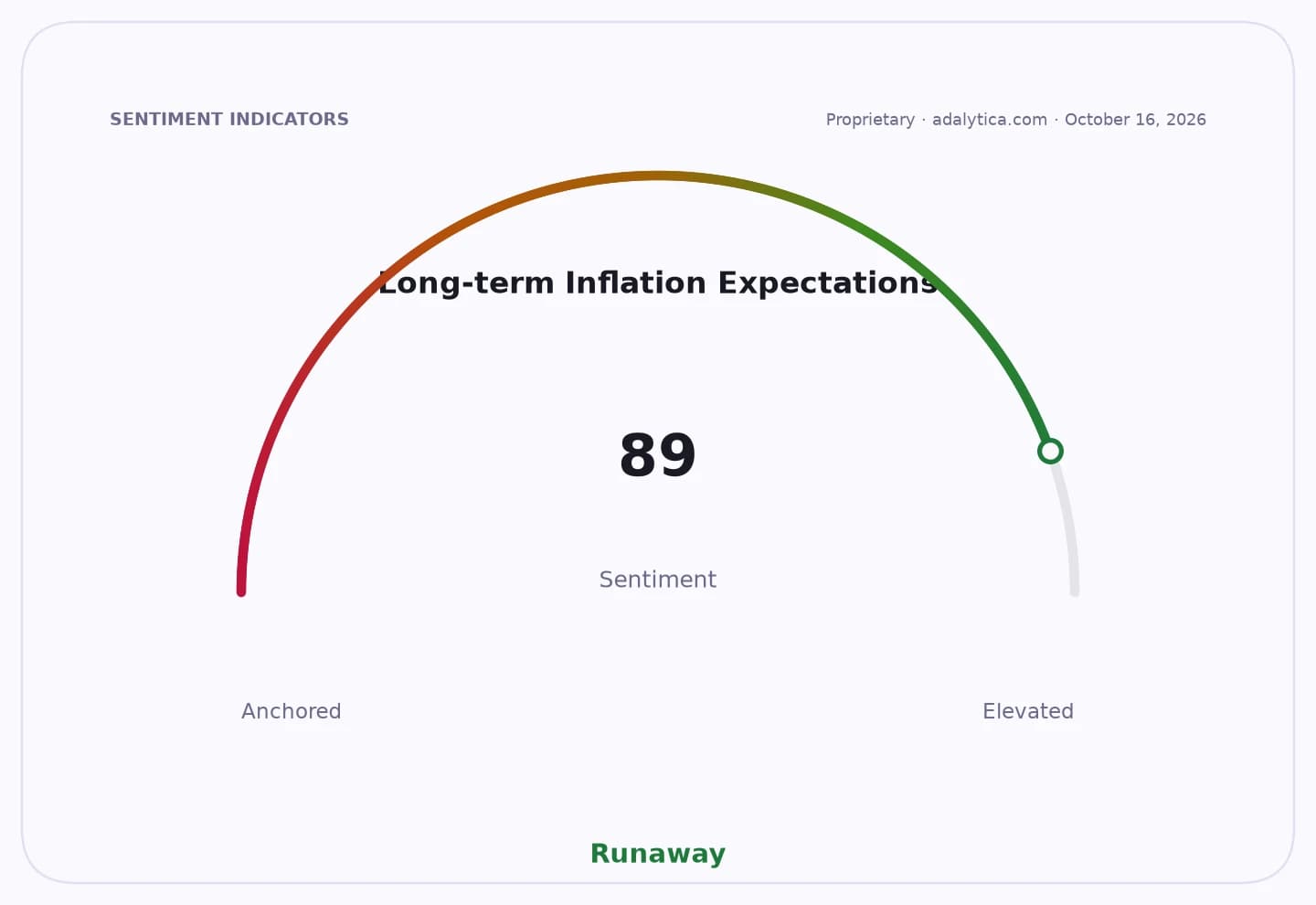
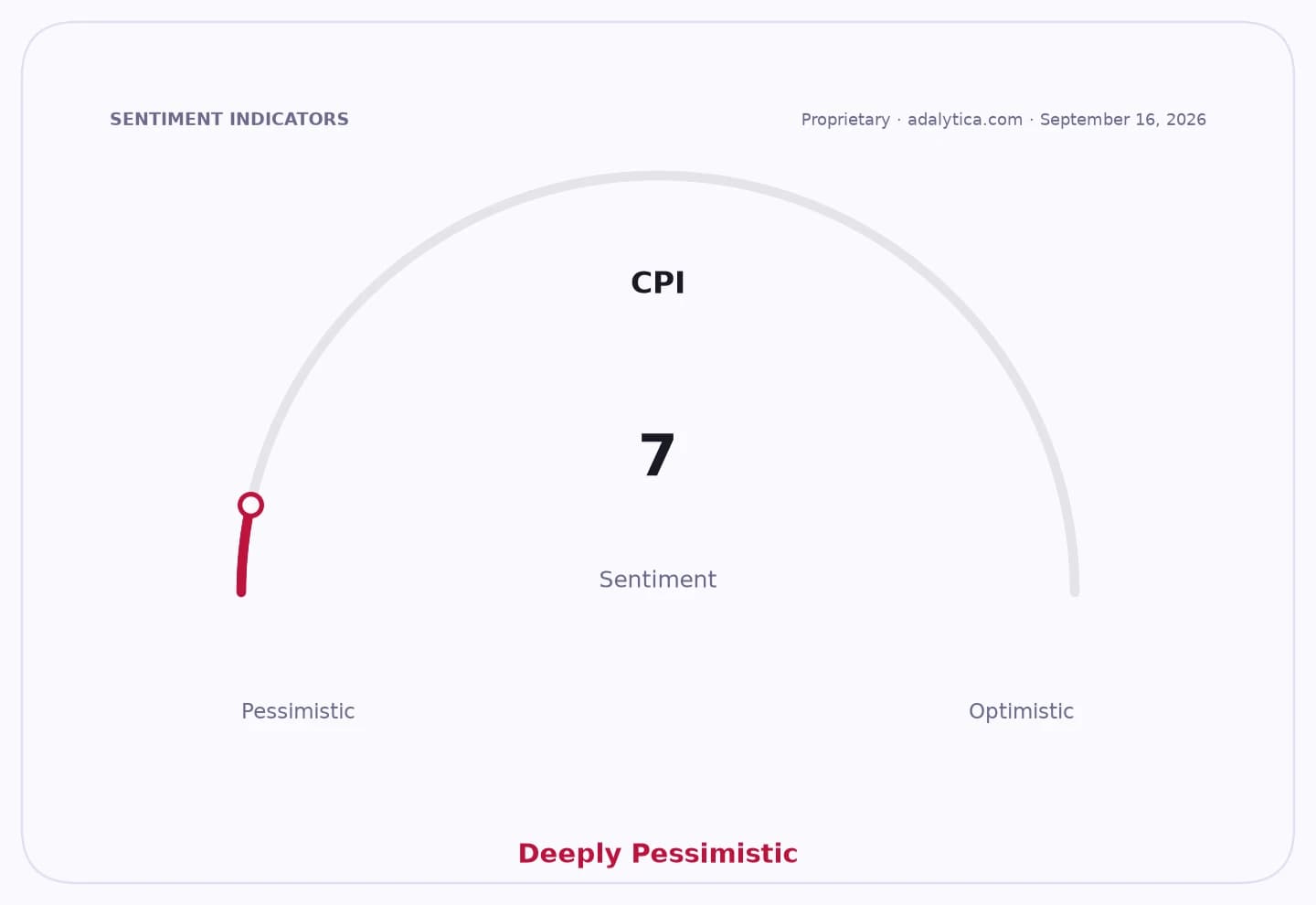
Transportation is becoming one of the clearest pressure points on Spanish household finances, and that matters because it is not just a consumer expense — it is a gatekeeper to jobs, services and growth. In 2025, the average family spent 4,020 euros a year moving around, almost 900 euros more than a decade ago, according to EAE Business School.
Spain transport costs rise for households

That rise is economically important because transport costs are sticky. Families can trim discretionary spending, but they cannot easily opt out of commuting, school runs or access to healthcare. The report puts transport at 11.5% of the family budget, a share that has held steady even as the cash outlay has climbed, underscoring how embedded mobility is in day-to-day life and how hard it is to offset the burden.
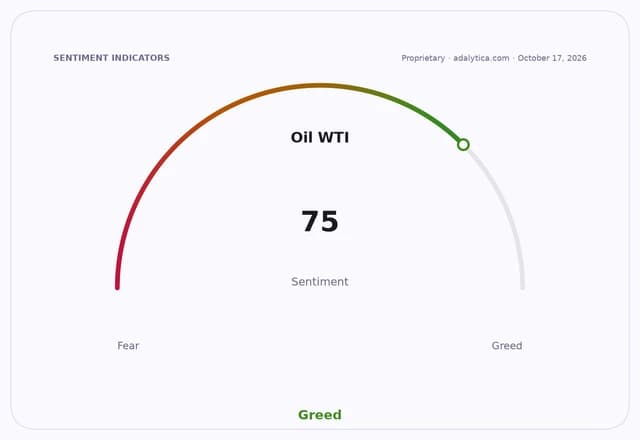
Sentiment IndicatorsⓘProprietary · adalytica.com · October 17, 2026
This is a snapshot — live sentiment, awareness and momentum for 130+ markets update continuously in the dashboard.Open AlphaPulse
The divide is also geographic, which is where the story becomes more than inflation. In Spanish towns with fewer than 10,000 residents, 73.5% of people rely primarily on cars, versus just 29.6% in larger municipalities. Public transport tells the opposite story: nearly half of residents in bigger cities use it as their main mode, compared with only 10.9% in smaller places. That means the inflationary hit from mobility is falling hardest on rural and semi-rural households that have the fewest alternatives.
For investors, this is a clue to where money and policy will keep flowing. The market often treats transport as a mature utility-like cost, but Spain’s mobility gap creates a multi-year investment case in rail, urban transit, road infrastructure, logistics efficiency and lower-cost mobility solutions. The winners are not only operators and infrastructure builders; they are also the businesses that help households and employers reduce dependency on private cars through better connectivity, route optimization and freight efficiency.
The report’s warning on “mobility poverty” also carries a labor-market message. If a job becomes unaffordable to reach, it is effectively unavailable. That reduces labor mobility, keeps wage pressure uneven across regions and raises the economic penalty for living far from employment hubs. On the corporate side, the burden does not stop at households. Spain moves about 272 billion tonne-kilometers of freight by road, around 15% of the EU total, exposing food, agriculture, construction, retail and tourism to higher logistics costs when fuel or tolls rise.
The broader investment takeaway is straightforward: Spain’s transport problem is really an infrastructure and productivity problem disguised as a household budget issue. The market underestimates how much demand there is for alternatives to car dependence, especially outside major cities. Over the next several years, that should favor companies tied to rail modernization, freight efficiency, public transport networks and logistics technology, while keeping pressure on sectors that rely on cheap road transport and long commuting distances.
| Entity | Gains | Losses |
|---|---|---|
| Rail and public transport operators | ▲Higher demand | ▼Car-dependent households |
| Infrastructure and logistics firms | ▲More investment | ▼Inefficient freight networks |
| Rural households | ▲Better connectivity over time | ▼Higher mobility costs now |
| Fuel-sensitive sectors | ▲Efficiency upgrades | ▼Food, retail, tourism margins |