BMW is leaning into a more aggressive product cycle as Chinese rivals reshape the premium car market, with the German automaker saying competition is “forcing us to improve” just as it rolls out its Neue Klasse technology platform across the globe.
BMW Neue Klasse launches in Colombia
That matters because the premium segment is no longer a protected moat for European brands. Electrification, faster software development and sharper pricing from Chinese manufacturers are compressing the old advantage of heritage and badge value, forcing BMW to defend both share and margins with better technology rather than relying on brand loyalty alone. For investors, the question is whether BMW can turn that pressure into a stronger product cycle before rivals permanently reset pricing expectations across the industry.
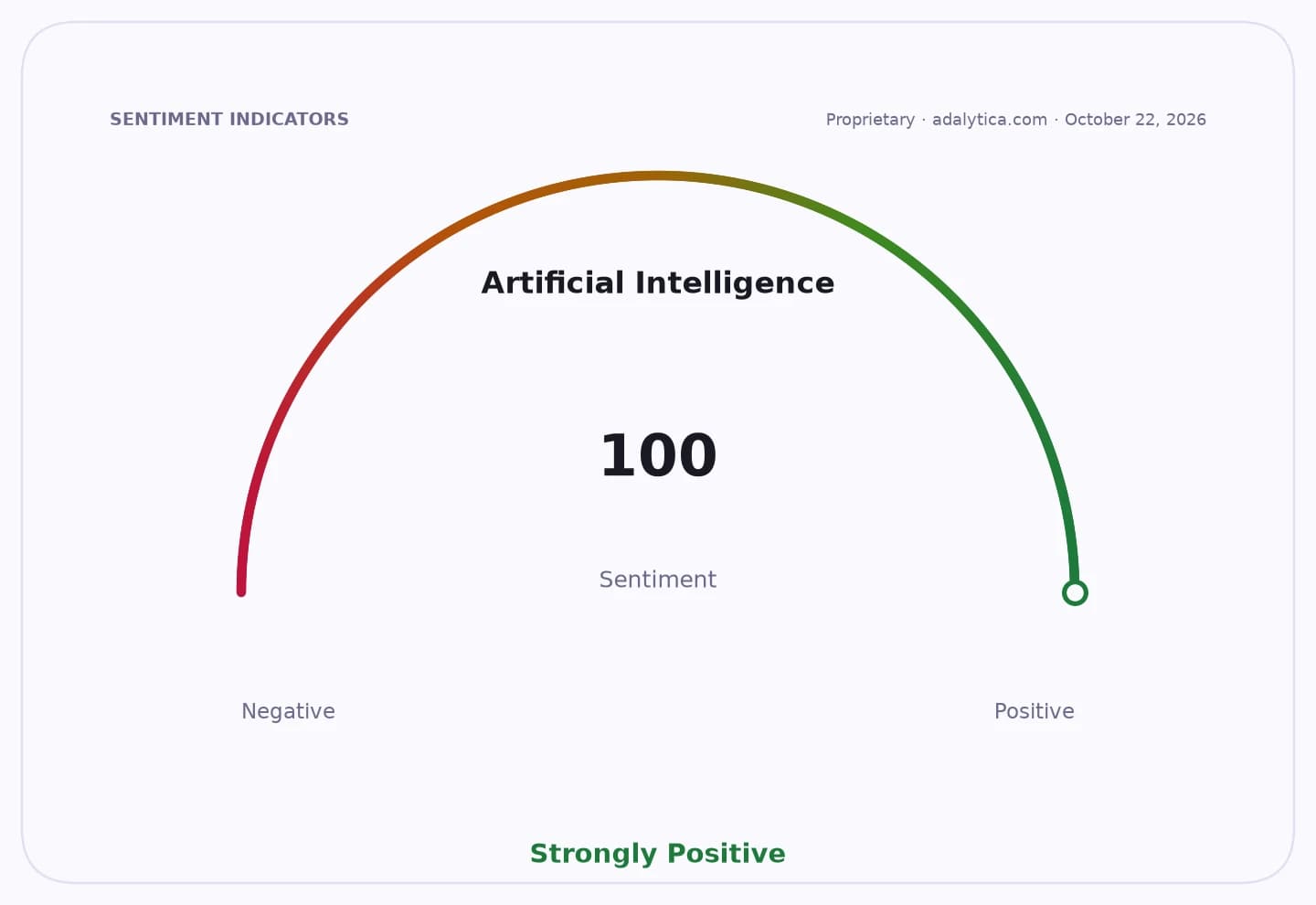
Sentiment IndicatorsⓘProprietary · adalytica.com · October 22, 2026
This is a snapshot — live sentiment, awareness and momentum for 130+ markets update continuously in the dashboard.Open AlphaPulse
Maru Escobedo, CEO of BMW Group Latin America, said the company’s new iX3 SUV has already seen more than 70 preorders in Colombia, underscoring demand for the first model in the Neue Klasse family. BMW also said registrations in Colombia rose 21.7% to 2,224 units in the January-to-September period from 1,827 a year earlier, a sign the brand is still gaining ground even as new entrants crowd the market.
The broader strategy is bigger than one model. BMW plans to launch about 40 models using Neue Klasse technology over the next two years, pairing combustion, hybrid and electric powertrains in an effort to meet different customer needs while spreading software and architecture upgrades across the lineup. That is the right response to a market that increasingly rewards flexibility, not just full electrification.
The stakes are especially high in Latin America, where Chinese brands are winning attention with electrified vehicles and aggressive pricing. BMW is trying to defend premium pricing while upgrading the in-car experience, including a panoramic display and more customizable functions in the iX3. The company is betting those features can keep buyers inside the brand even as more affordable alternatives proliferate.
For investors, the key opportunity is not just BMW itself but the wider ecosystem built around the upgrade cycle: software suppliers, charging infrastructure, premium component makers and aftersales networks that benefit when legacy automakers spend to close the technology gap. The risk is that the competitive response drives up capex without fully protecting pricing power, especially in markets where incentives for electric vehicles are uneven and consumers remain sensitive to total cost of ownership.
BMW said it has no plan for a plant in Colombia and will continue serving the region from Mexico, Brazil and the United States, but it is clearly positioning Latin America as part of a broader global product refresh. The market underestimates how much this wave of competition can accelerate investment, reorder market share and determine which automakers retain premium status in the next cycle.
The takeaway for investors is straightforward: BMW’s push into Neue Klasse is not just a product story, it is a defensive growth strategy in a market being rewritten by Chinese competition. If BMW executes, the upside is a stronger premium franchise and better mix; if it doesn’t, the margin pressure will spread well beyond Latin America.
| Entity | Gains | Losses |
|---|---|---|
| BMW | ▲Stronger product cycle | ▼Margin pressure from rivals |
| Chinese automakers | ▲Share gains on price | ▼Less room to undercut forever |
| Premium suppliers | ▲More software and tech content | ▼Dependence on OEM execution |
| Latin American dealers | ▲Fresh model demand | ▼Higher competitive intensity |