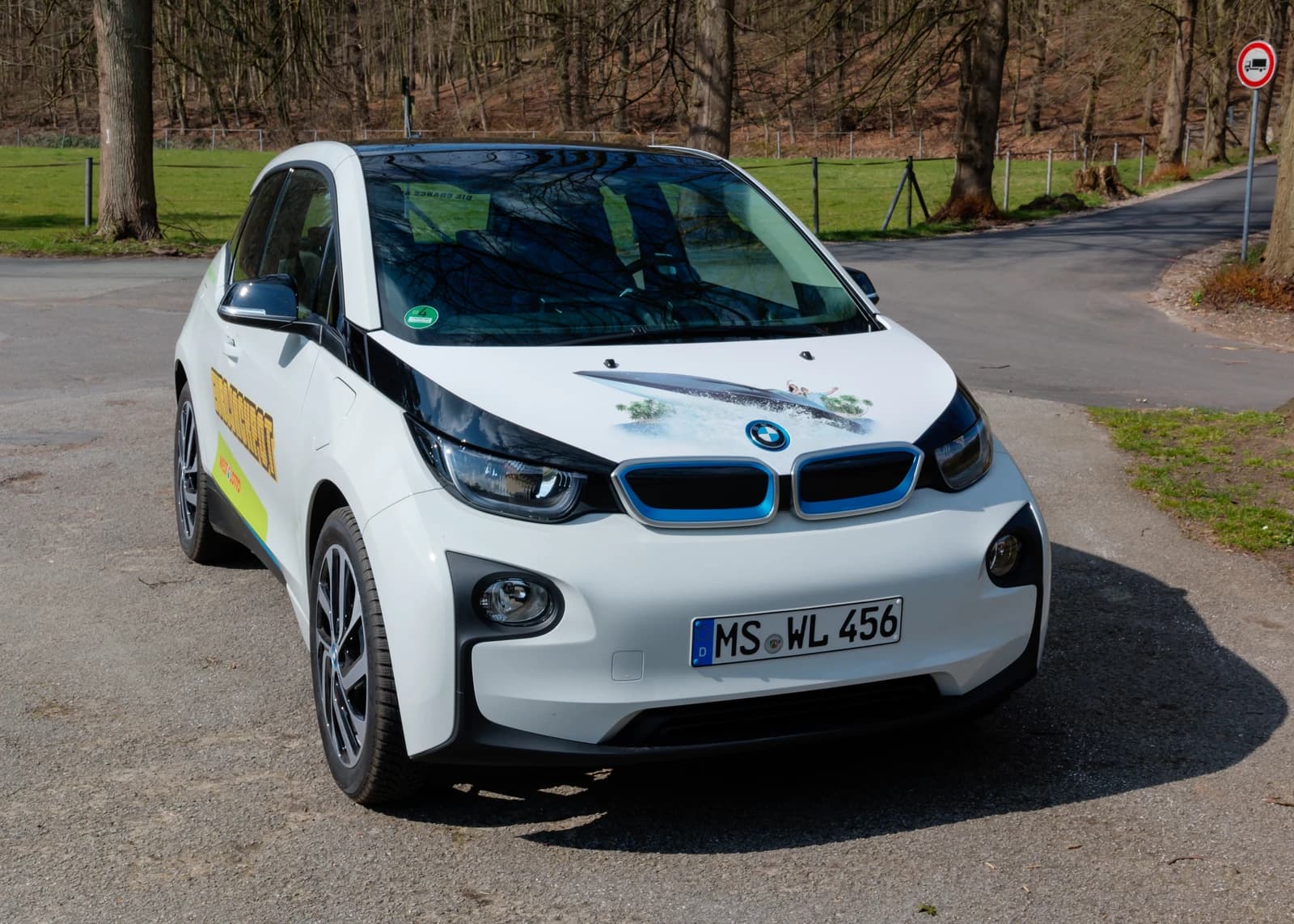
BMW’s latest long-range test of the i3 50L is less a marketing stunt than a reminder that battery-electric vehicles are still in a race to remove the two biggest buyer objections: range anxiety and charging time. The Chinese-market sedan covered 1,213 km on a single charge and finished with 1% battery remaining, according to a report cited by CarNewsChina, putting it at 118% of the model’s official range and setting a new distance record for BMW’s road testing.
BMW i3 50L test reaches 1,213 km
That matters because range remains one of the clearest differentiators in the EV market, especially in China, where dense urban usage is colliding with the need for practical intercity driving. A vehicle that can credibly exceed 1,200 km in controlled testing expands the addressable market for electric sedans by narrowing one of the last meaningful advantages of internal combustion powertrains. It also gives BMW a stronger technical message as the company pushes its Neue Klasse platform, where software-defined efficiency, battery packaging and charging architecture are expected to carry more weight than badge prestige alone.
Sentiment IndicatorsⓘProprietary · adalytica.com · October 17, 2026
This is a snapshot — live sentiment, awareness and momentum for 130+ markets update continuously in the dashboard.Open AlphaPulse
The result is impressive, but it should not be confused with real-world consumer mileage. BMW did not disclose average speed, temperature or air-conditioning use, all of which can materially alter EV efficiency. Even so, the test performance — 8.8 kWh per 100 km on a route that included highways, main roads and city traffic — suggests substantial gains in drivetrain efficiency and battery management. The car’s 113.4 kWh pack, large cylindrical cells, and 800-volt electrical architecture are central to that story, as is BMW’s claim that 10 minutes of fast charging can add 400 km of range.
For investors, the significance is strategic rather than immediate. Automakers are now competing not just on peak range figures but on the total ownership proposition: charging speed, battery cost, platform scalability and the ability to use range as a brand attribute. BMW’s milestone helps validate its engineering direction and could strengthen its positioning in China, where local and foreign manufacturers are fighting for share in a market increasingly defined by specification wars. It also puts pressure on rivals such as Tesla and Nio, where range, charging network depth and efficiency remain central to the equity narrative.
The stock reaction is unlikely to depend on this single test, but the broader investor takeaway is that EV range leadership is becoming a brand and margin issue, not just a technical one. If BMW can translate these figures from test cycle to customer experience, it would support pricing power in premium EVs at a time when the industry is being forced to prove that electrification can compete on convenience as well as emissions.
| Entity | Gains | Losses |
|---|---|---|
| BMW | ▲Premium EV credibility | ▼Rivals in range race |
| Tesla | ▲Benchmark pressure eases only if matched | ▼Range leadership narrative |
| Nio | ▲Chinese EV attention spillover | ▼Technical comparison risk |
| EV buyers | ▲Longer range, less anxiety | ▼Less distinction from ICE on convenience |