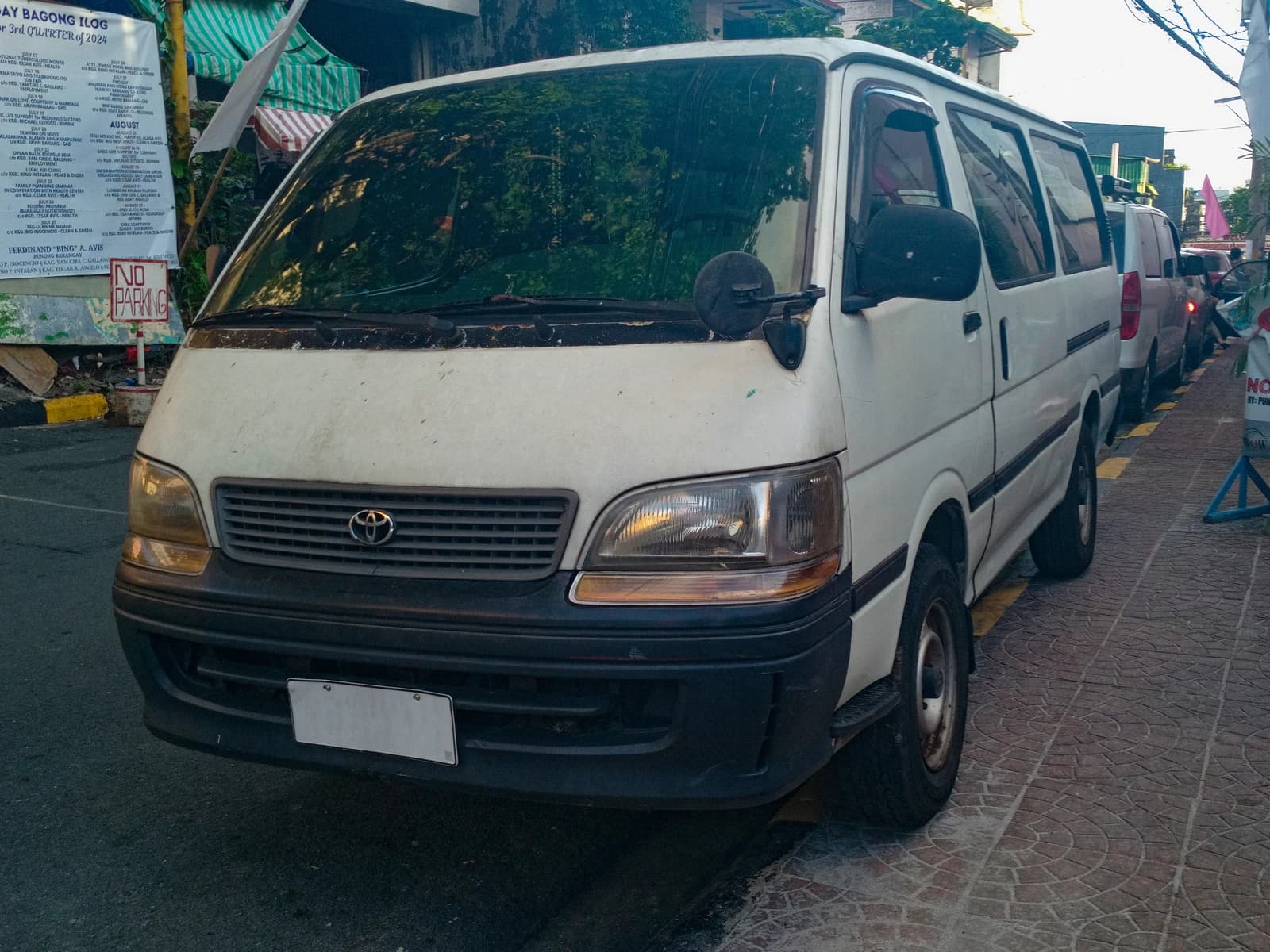
For drivers who only need a vehicle part of the week, the real question is no longer whether buying is “better,” but whether tying up capital in a car still makes economic sense.
Car rentals gain share as ownership costs rise

In a market where mobility costs, parking, insurance and maintenance keep rising, renting can be the smarter asset-light choice for households and small businesses that do not use a car every day. That is especially true in cities like Lima, where traffic congestion adds an estimated 195 hours of lost time per driver each year, according to data cited by the Asociación Automotriz del Perú. When time is scarce and usage is irregular, paying only for the days you actually need a vehicle can preserve cash and reduce fixed costs.
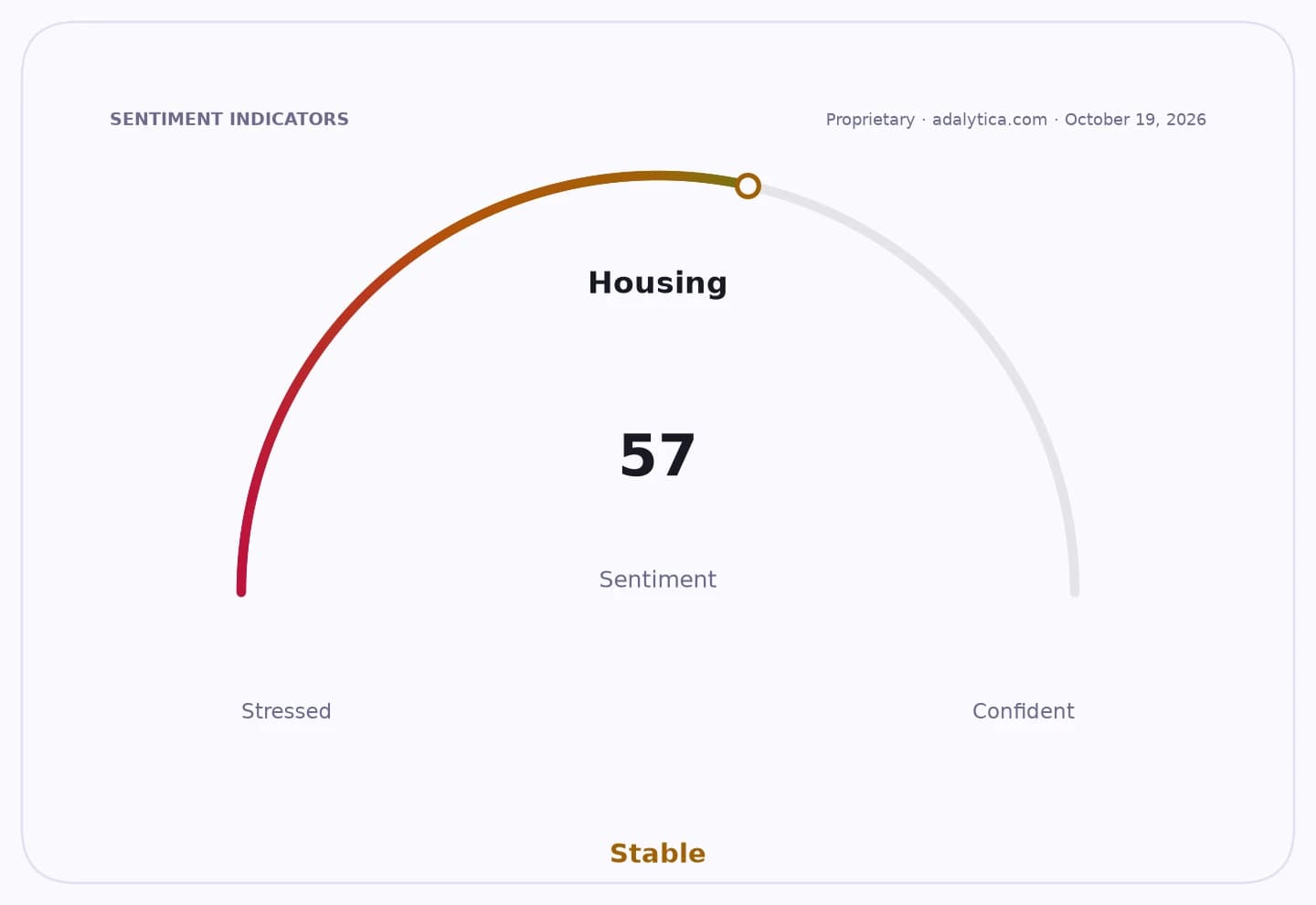
Sentiment IndicatorsⓘProprietary · adalytica.com · October 24, 2026
This is a snapshot — live sentiment, awareness and momentum for 130+ markets update continuously in the dashboard.Open AlphaPulse
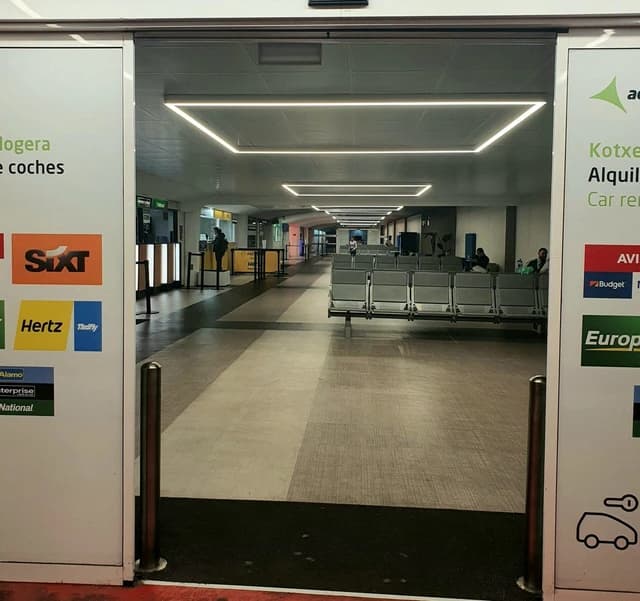
That is the central message from Diana Zegarra, head of Kinto Share at Mitsui Automotriz, who argues that buyers should first assess how often they will really use a car and what kind of trips they will make. Her point matters because the ownership equation is often distorted by the sticker price. Fuel is only the beginning. A private car also brings ongoing costs for servicing, insurance, parking and repairs, while rental users can more easily match the vehicle to a weekend trip, a family vacation or a short-term work assignment.
The four cases where renting tends to win are straightforward: occasional use during the week, travel or holidays, temporary mobility needs and any situation where avoiding permanent expenses is the priority. In those scenarios, renting functions like a toll road for mobility — you pay for access when you need it, not for idle capacity the rest of the time. Services such as app-based rentals, including Kinto Share, are built around that model, often bundling insurance and unlimited mileage into a single fee.
For investors, the deeper story is that car ownership is under pressure from a broader shift toward flexible, subscription-like access. That creates winners and losers across the mobility chain. Rental operators, fleet managers and digital platforms gain from consumers who want convenience without the balance-sheet burden of ownership. Traditional auto sellers, finance arms tied to vehicle sales and service networks tied to higher ownership volumes face a more uneven demand mix.
The market is also being reshaped by regulation and competition. In South Korea, for example, policymakers are moving to ease restrictions on rental businesses run by credit finance firms, a change that could intensify competition for established operators such as Lotte Rental and SK Rent-a-Car. That points to a wider global theme: rental is becoming more competitive, more digital and more price-sensitive, not less.
The investable takeaway is simple. As consumers become more disciplined about total cost of mobility, the rental model should keep gaining share in urban and episodic-use markets. The best opportunities lie with companies that can scale fleets efficiently, bundle insurance and convenience, and win customers on flexibility rather than just price. For investors, that means watching the rental leaders and the enabling platforms, not just the automakers selling the cars.
| Entity | Gains | Losses |
|---|---|---|
| Car renters | ▲Lower fixed costs | ▼Ownership burdens |
| Rental operators | ▲Higher demand | ▼— |
| Auto dealers | ▲— | ▼Fewer outright purchases |
| Consumers with daily driving needs | ▲— | ▼Less benefit from rentals |