Waymo’s push to import about 5,100 Chinese-built electric vehicles this year is turning a fleet-expansion plan into a Washington fight over national security, trade policy and who gets to dominate the US robotaxi market.
Waymo Zeekr imports draw US security scrutiny
The Alphabet unit is rapidly scaling its autonomous ride-hailing service with a rebranded Zeekr minivan, even as lawmakers move to close a loophole that lets US companies import Chinese vehicles and strip out the original software before adding their own self-driving systems. That matters because robotaxis are heading from pilot programs toward commercial scale, and the hardware choice affects costs, supply chains and the political durability of the business model.
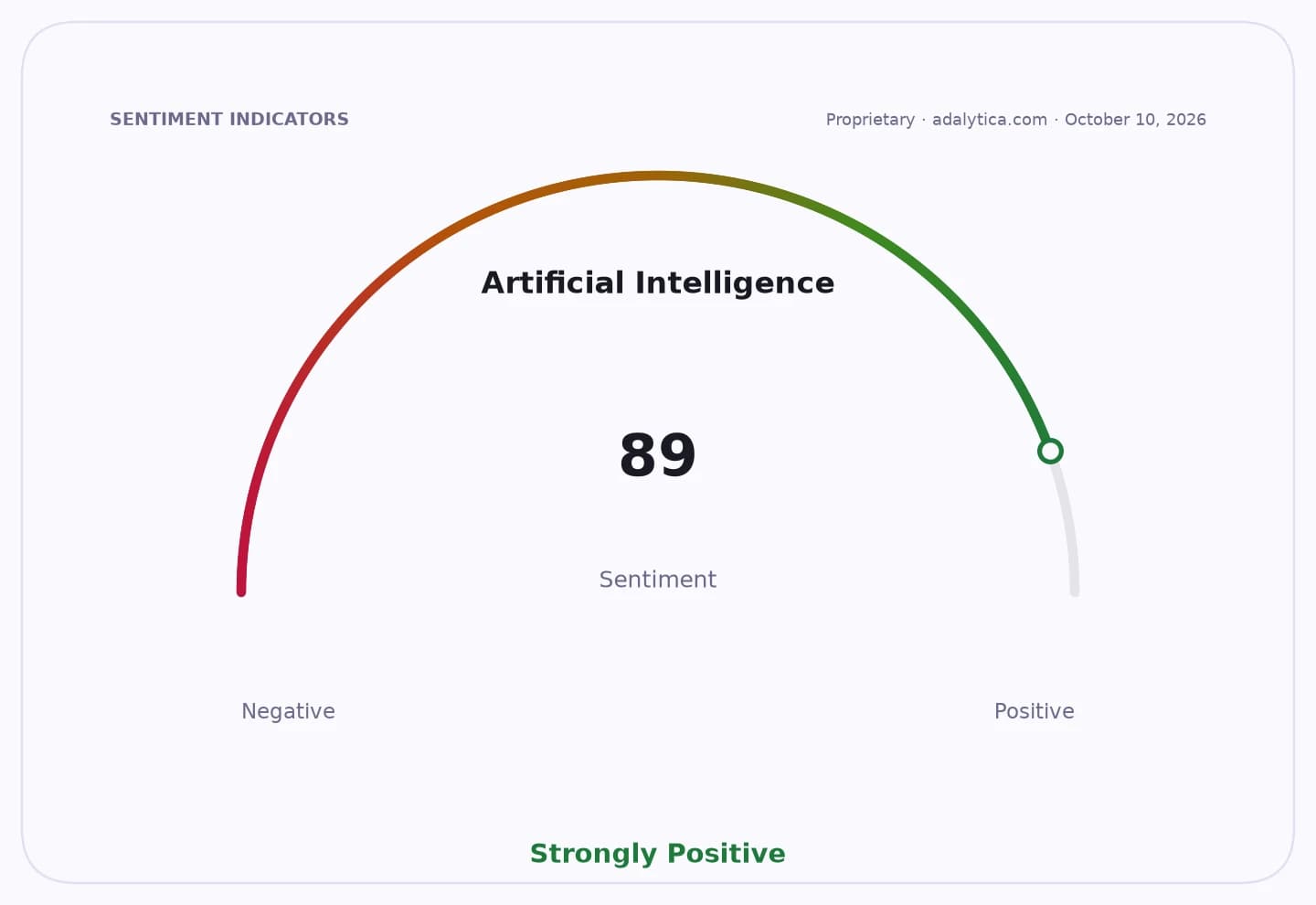
Sentiment IndicatorsⓘProprietary · adalytica.com · October 23, 2026
This is a snapshot — live sentiment, awareness and momentum for 130+ markets update continuously in the dashboard.Open AlphaPulse
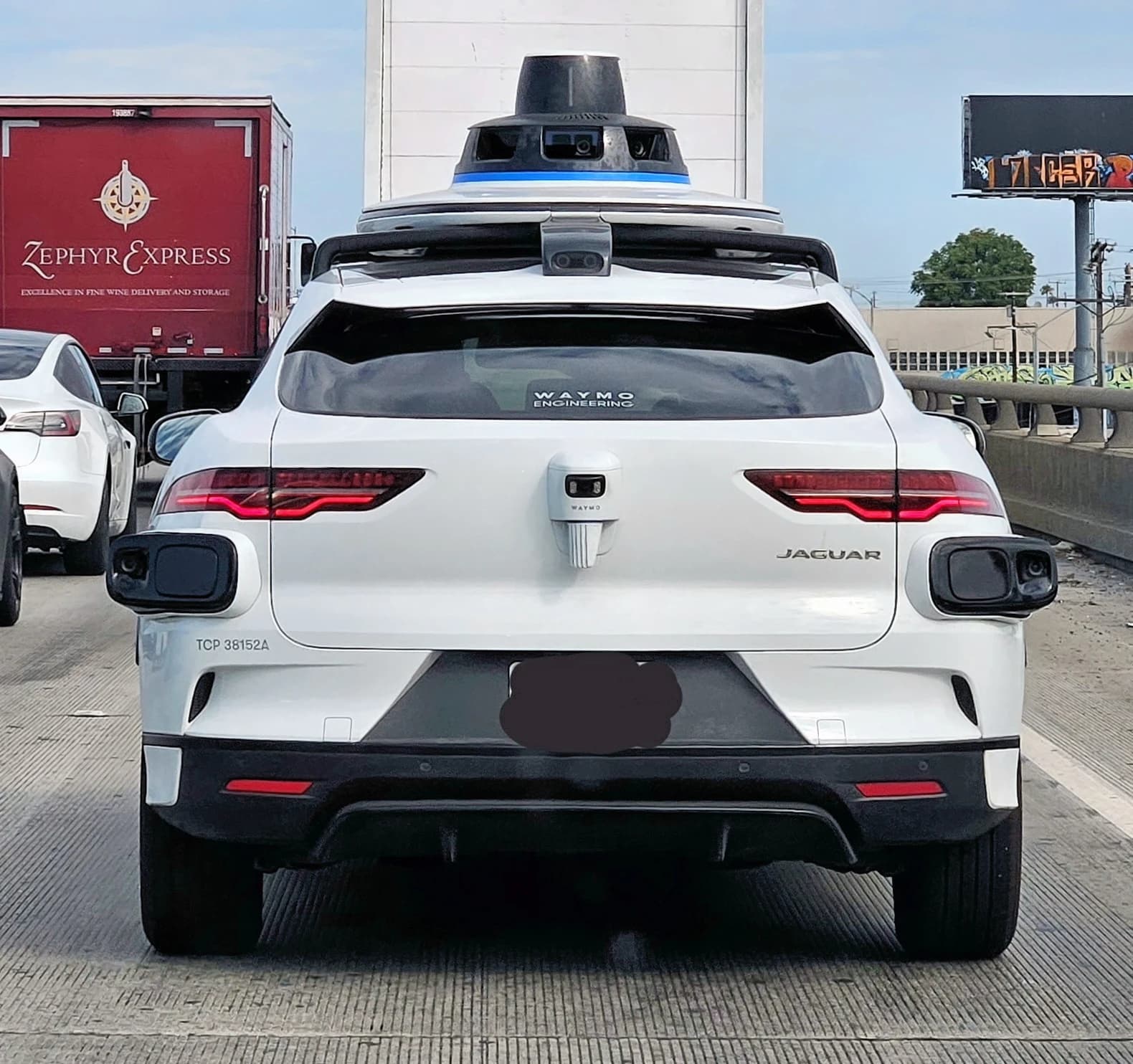
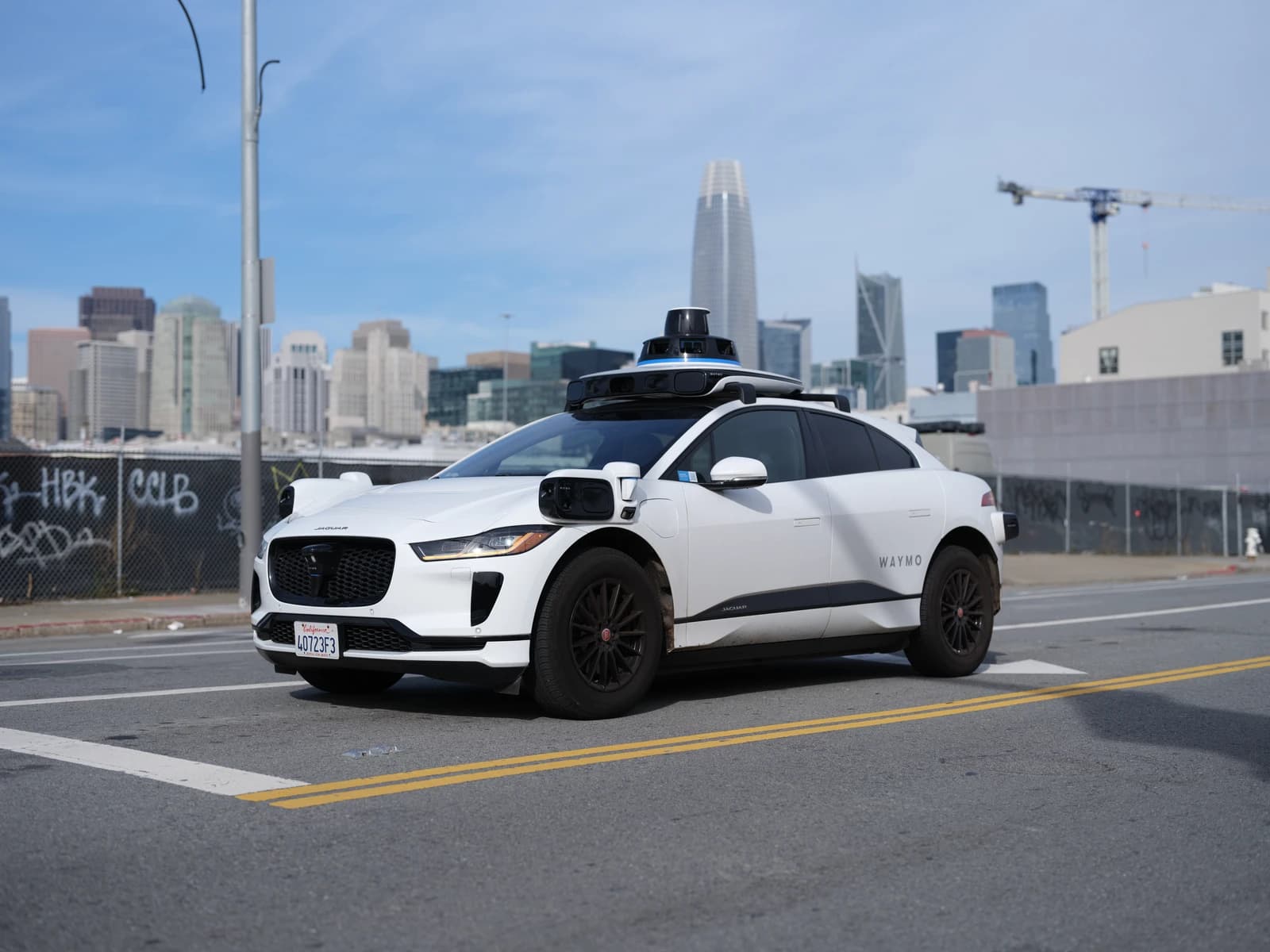
Waymo’s Ojai vans are already operating in Los Angeles, San Francisco and Phoenix, with Denver, Las Vegas and San Diego next in line. MoffettNathanson tracking data cited in the report suggests the company is on pace to bring in roughly 5,100 vehicles by year-end, more than doubling a fleet that is still dominated by Jaguar I-Pace SUVs assembled in Austria and fitted with Waymo’s autonomous stack in Arizona.
The economics explain why Waymo is leaning on Zeekr. TechTimes estimated the company spends about $98,000 to $115,000 to turn a Zeekr chassis into a robotaxi, versus roughly $200,000 for a Jaguar I-Pace build-out. In a capital-intensive race where fleet size is the main driver of utilization and revenue, that cost gap can be decisive. Lower hardware costs should improve unit economics, accelerate deployment and help Waymo defend its lead against rivals including Tesla, Amazon-backed Zoox and traditional mobility platforms.
But cheaper hardware now carries a policy risk premium. The Commerce Department has already banned imports or sales of connected vehicles or self-driving software made in China or Russia from model year 2027, and related hardware restrictions are set for 2030. Senators Bernie Moreno and Elissa Slotkin are backing legislation that would ban imports of any vehicle manufactured in China, even if US companies later add their own systems, with a three-year grace period that would force compliance by 2030. House China panel chair John Moolenaar has introduced companion legislation.
For investors, the issue is less about one supplier than about whether Waymo can keep scaling without getting caught in a broader US-China decoupling. Alphabet benefits if Waymo can expand faster and at lower cost, but the company could face higher capex, delayed rollouts or reputational damage if lawmakers force a redesign of its procurement model. Tesla stands to gain if restrictions slow a rival, while Detroit automakers could benefit from a tighter screen on Chinese-made vehicles that might otherwise undercut domestic manufacturers on price.
Waymo says it complies with federal rules by sourcing only the physical vehicle from Zeekr, then installing its own sensors and software in Arizona, and says it does not share rider data, telemetry or code with the Chinese manufacturer. Critics argue that is not enough, warning that hidden sensors or embedded components could still create data and security exposure. The same argument is now widening beyond autonomous vehicles into the larger question of whether critical US transport infrastructure should depend on Chinese-made platforms at all.
The next catalyst is legislative. If Congress advances the Moreno-Slotkin bill or similar language gains traction, Waymo could be forced to phase out Chinese-built vehicles and rework its supply chain. If not, the company will likely keep pressing its cost advantage to scale faster, even as every new robotaxi on US roads deepens the political scrutiny around the fastest-growing segment of the self-driving industry.
| Entity | Gains | Losses |
|---|---|---|
| Waymo / Alphabet | ▲Faster fleet scaling | ▼Political and security scrutiny |
| Tesla | ▲More policy support vs. Chinese competition | ▼If Waymo scale is uninterrupted |
| US lawmakers / regulators | ▲Tighter control over supply chain | ▼Pressure to balance safety and innovation |
| Chinese EV makers / Geely / Zeekr | ▲Near-term sales to Waymo | ▼Risk of US market restrictions |