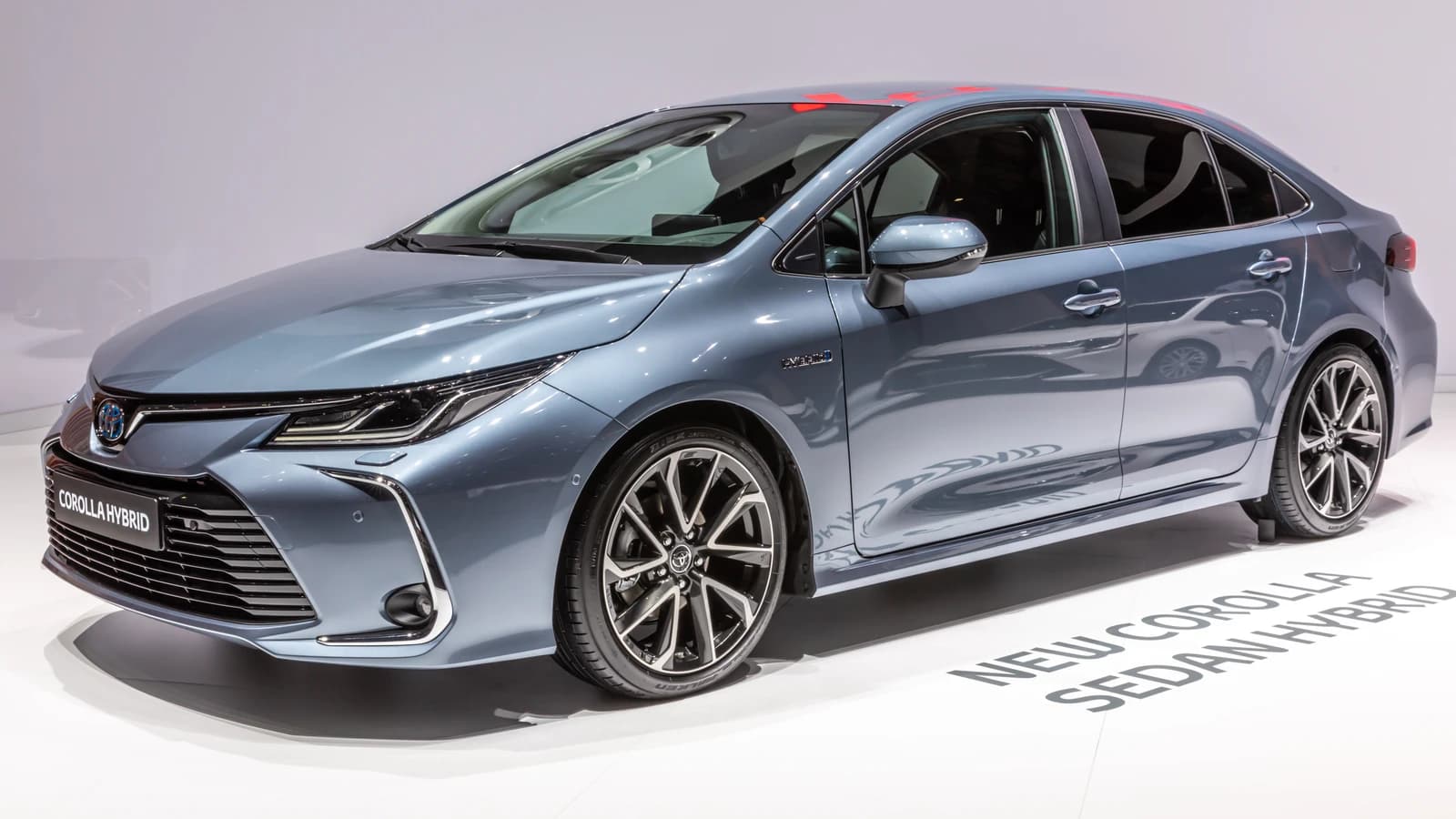
Luxury is no longer a safe bet in Asia, and that is forcing Europe’s premium carmakers to confront a structural reset in the market they once used to fund their global dominance.
BMW, Mercedes Face China Sales Slowdown
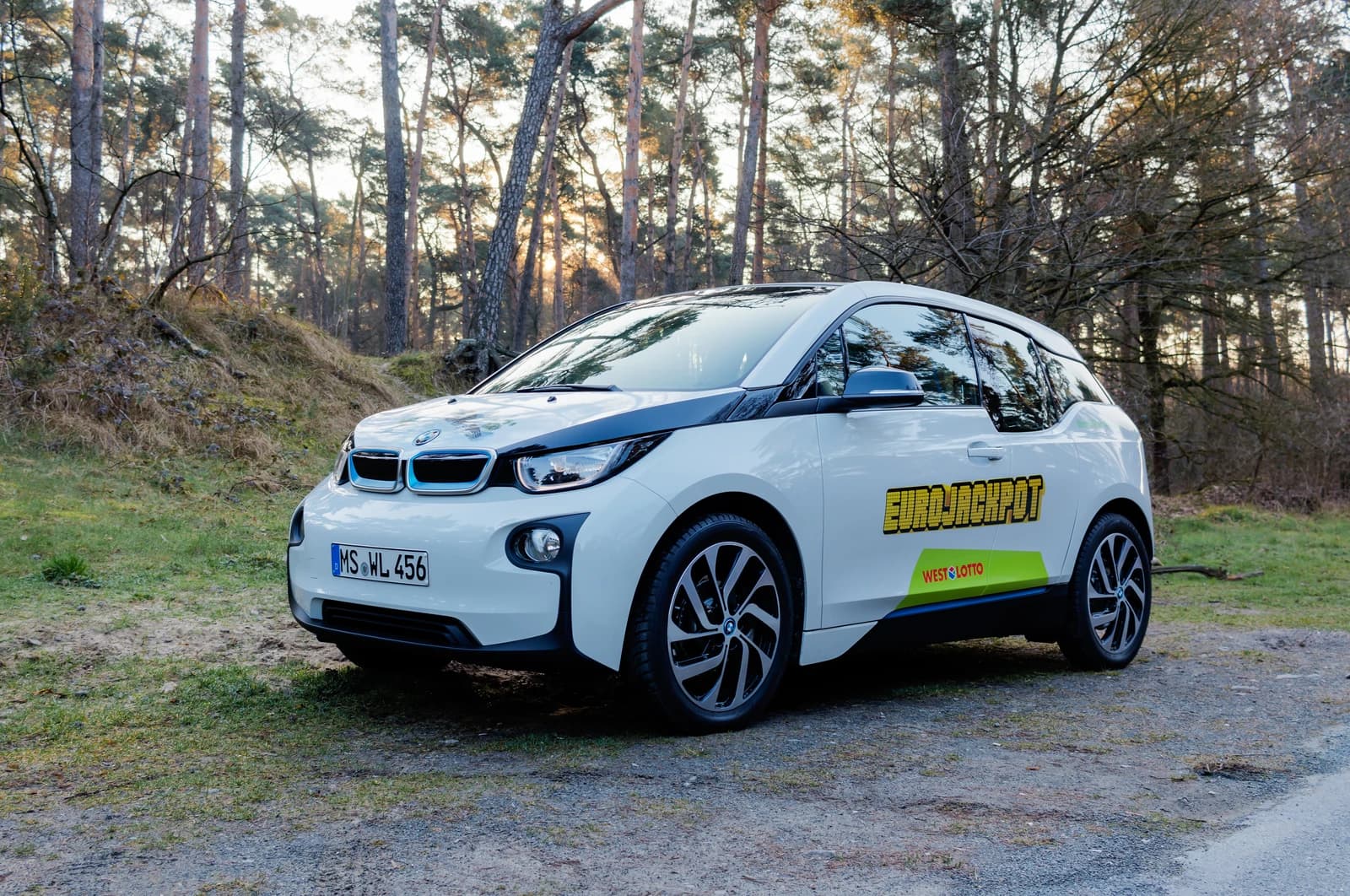
The clearest warning sign is China, where BMW’s sales fell almost 25% to 551,072 units and Mercedes-Benz and Volkswagen also posted declines as local rivals gained share, subsidies faded and the economy slowed. At the same time, Chinese brands are moving upmarket in Europe, taking just under 11% of the market and tripling their presence at the Paris auto show to about 20 brands. That is not just more competition — it is a direct assault on the pricing power that made German luxury one of the industry’s most profitable businesses.
For investors, the significance is bigger than a single weak sales print. The old model assumed European premium brands could harvest high-margin demand in China while defending their home turf with brand equity and engineering prestige. That playbook is breaking down. Chinese makers such as BYD, Li Auto and Avatr are now pairing lower prices with technology once reserved for Mercedes, BMW and Audi, including ultra-fast charging and long-range batteries. BYD’s Atto 8, for example, is priced above 70,000 euros and can charge from 10% to 70% in five minutes, a reminder that China’s carmakers are no longer competing only on cost.
That shift matters because it changes where the next profits in autos will come from. If China is no longer the dependable growth engine for German premium brands, then their margins will increasingly depend on Europe and the US, where demand is slower and competition is intensifying. The result is a squeeze on both volume and price, exactly the combination investors fear most in a cyclical, capital-intensive industry. It also helps explain why Volkswagen is showing unusual restraint on product launches and why Mercedes returned to the Paris show with only two models, a far cry from the old era of confidence.
The deeper story is that Europe’s automakers are being pushed into a hybrid industrial model in which Chinese platforms, batteries and powertrains become part of their own lineups. Stellantis is already leaning on Leapmotor and Dongfeng’s Voyah to fill gaps, while Mercedes and BMW are being forced to defend premium status in a market where technology parity is arriving faster than brand loyalty can hold. That is an uncomfortable transition, but it is also where the investment opportunity is shifting.
The market still underestimates how quickly the center of gravity in autos is moving from branding to scale, software and charging infrastructure. That favors the suppliers and enablers around the legacy names more than the legacy names themselves. The winners are likely to be battery makers, charging networks, component suppliers and Chinese EV platforms that can sell both at home and in Europe. The losers are the European premium automakers that still depend on an Asia playbook built for a different era.
| Entity | Gains | Losses |
|---|---|---|
| Chinese EV brands | ▲Market share in Europe | ▼None of the old pricing constraints |
| BMW and Mercedes | ▲Premium brand visibility | ▼China sales and margin power |
| Stellantis | ▲Access to cheaper EV tech | ▼Old closed-loop development model |
| Battery/charging suppliers | ▲Higher demand from EV rollout | ▼Legacy ICE-focused suppliers |