Tesla is gaining political support in Europe for its Full Self-Driving driver-assistance software, but the real market issue is whether that backing is enough to overcome regulators’ safety concerns and unlock a product Tesla says is key to restoring sales momentum on the continent.
Tesla EU FSD Approval Delayed to December
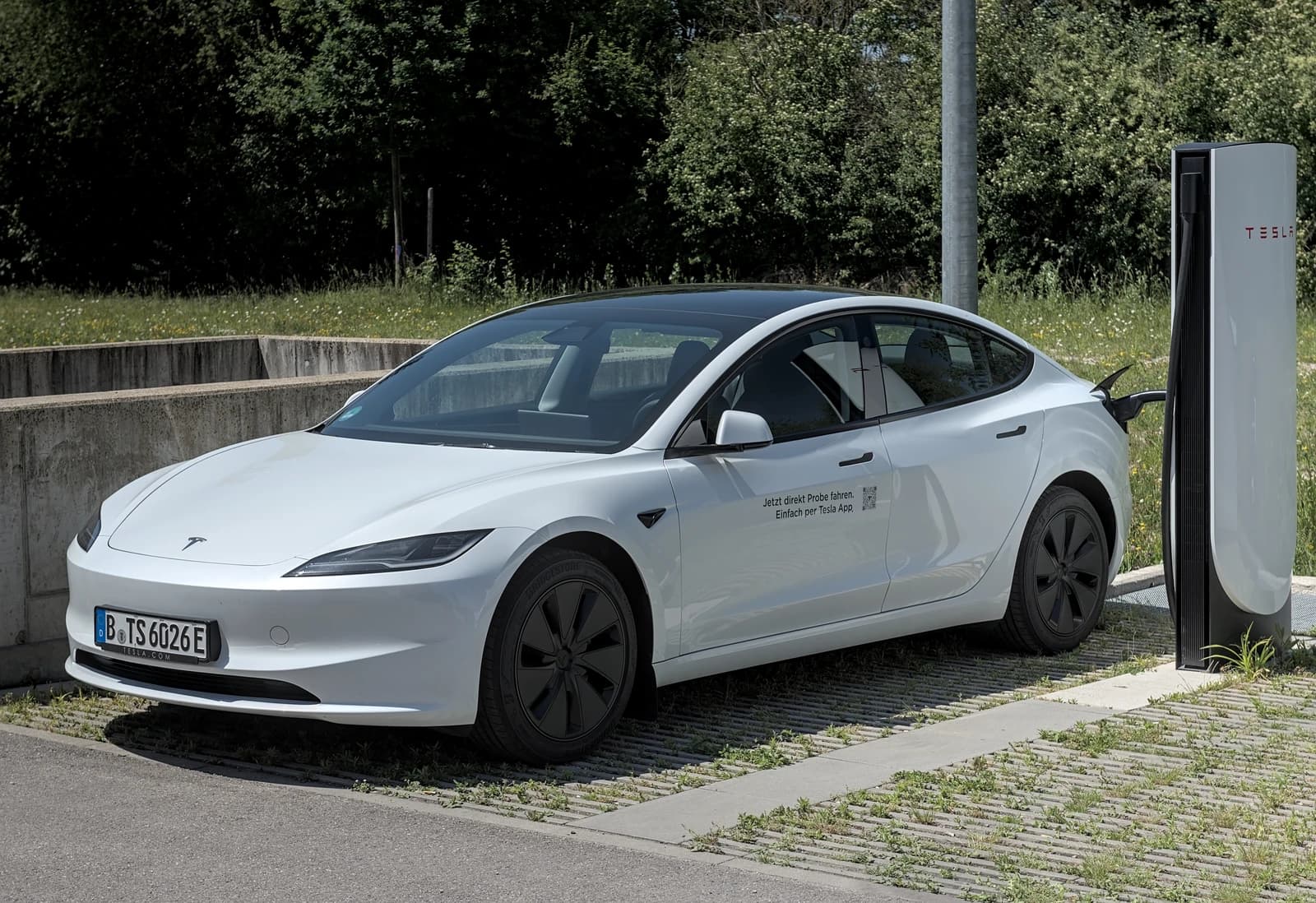
Germany’s transport minister, Steffen Bilger, has urged prompt EU approval after discussions with Tesla, and Elon Musk publicly welcomed the stance on X. That matters because Germany is the bloc’s most influential auto market and a central voice in vehicle regulation, giving Tesla fresh leverage as it pushes for continent-wide approval.
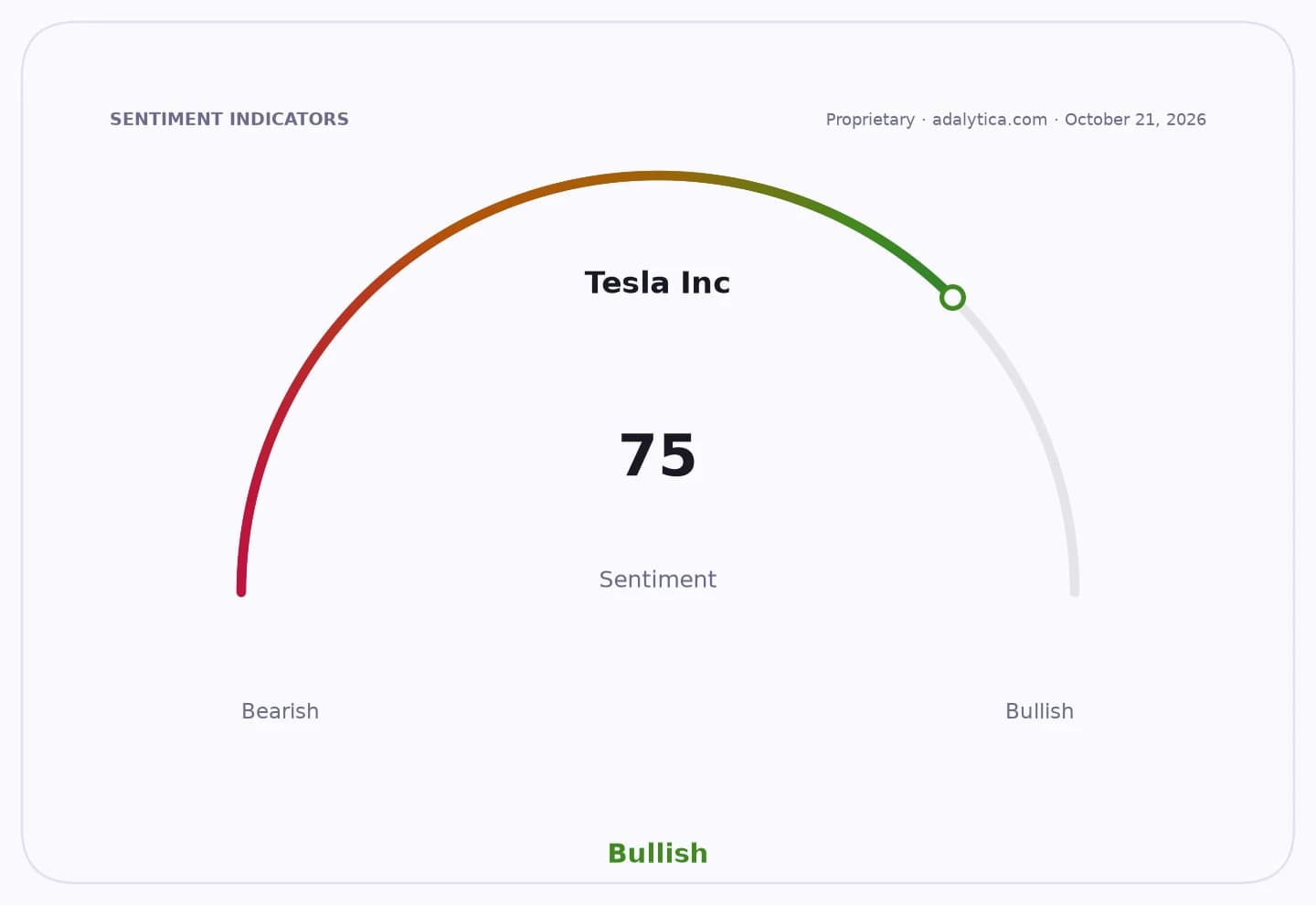
Sentiment IndicatorsⓘProprietary · adalytica.com · October 8, 2026
This is a snapshot — live sentiment, awareness and momentum for 130+ markets update continuously in the dashboard.Open AlphaPulse
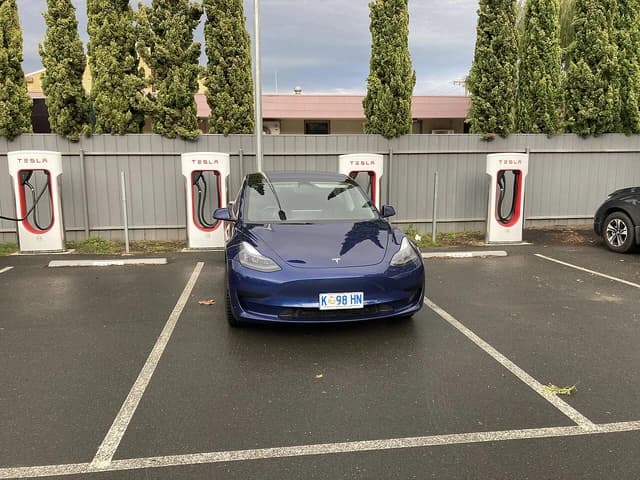
The stakes are commercial as much as regulatory. Tesla has tied European approval of FSD to its effort to regain share in a market where Chinese electric-vehicle makers have been pressuring incumbents and where software-enabled features can help differentiate vehicles in a crowded field. If the system is approved, Tesla could deepen its software monetization story and bolster demand among buyers drawn to driver-assistance capabilities. If it is delayed or diluted, the company risks extending the gap between its ambitions and what European customers can legally use.
The fight is also over how safety should be measured. Reuters reported that Tesla has been lobbying European regulators aggressively, including by arguing that the system improves safety and by mobilizing supporters online. But traffic-safety researchers told Reuters that Tesla’s internal studies do not measure crash rates or deaths directly, relying instead on proxies such as hard braking and horn use. That weakens the company’s case to regulators who are already wary of claims that the system is more capable than its name suggests.
Germany’s support is meaningful, but not decisive. Berlin has backed allowing the system to exceed posted speed limits by up to 10% in line with Tesla’s request, and Bilger said the company has floated renaming the product “Tesla Assisted Driving” to ease concerns that it implies autonomy the system does not provide. Still, several EU countries including Sweden and France have voiced objections, especially over speed-limit compliance, and the vote expected in October has been pushed back to at least December as more tests are conducted.
For investors, the story cuts to valuation, margin mix and execution risk. Tesla’s shares have already been sensitive to autonomy headlines, and technical momentum has improved: the stock is trading above its 50-day and 200-day moving averages, with RSI readings in neutral-to-bullish territory. Adalytica’s Tesla Earnings Sentiment gauge also shows extreme greed, suggesting the market is leaning hard into the autonomy narrative. That makes approval upside potentially powerful — but also leaves the stock vulnerable if Europe imposes restrictions that blunt the product’s commercial value.
The broader takeaway is that Europe may become a template for how Tesla’s autonomy ambitions are translated into revenue outside the US. Approval would not amount to full self-driving, but it could validate Tesla’s software strategy in a major market. A failure to persuade EU regulators, by contrast, would underline the gap between Tesla’s marketing, its data, and the standards that Europe’s regulators are willing to accept.
| Entity | Gains | Losses |
|---|---|---|
| Tesla | ▲EU sales catalyst | ▼Regulatory delay |
| Germany | ▲Auto-tech influence | ▼Safety scrutiny |
| EU regulators | ▲Safer approval leverage | ▼Pressure from lobbying |
| Rivals | ▲Slower Tesla rollout | ▼Tesla software advantage |