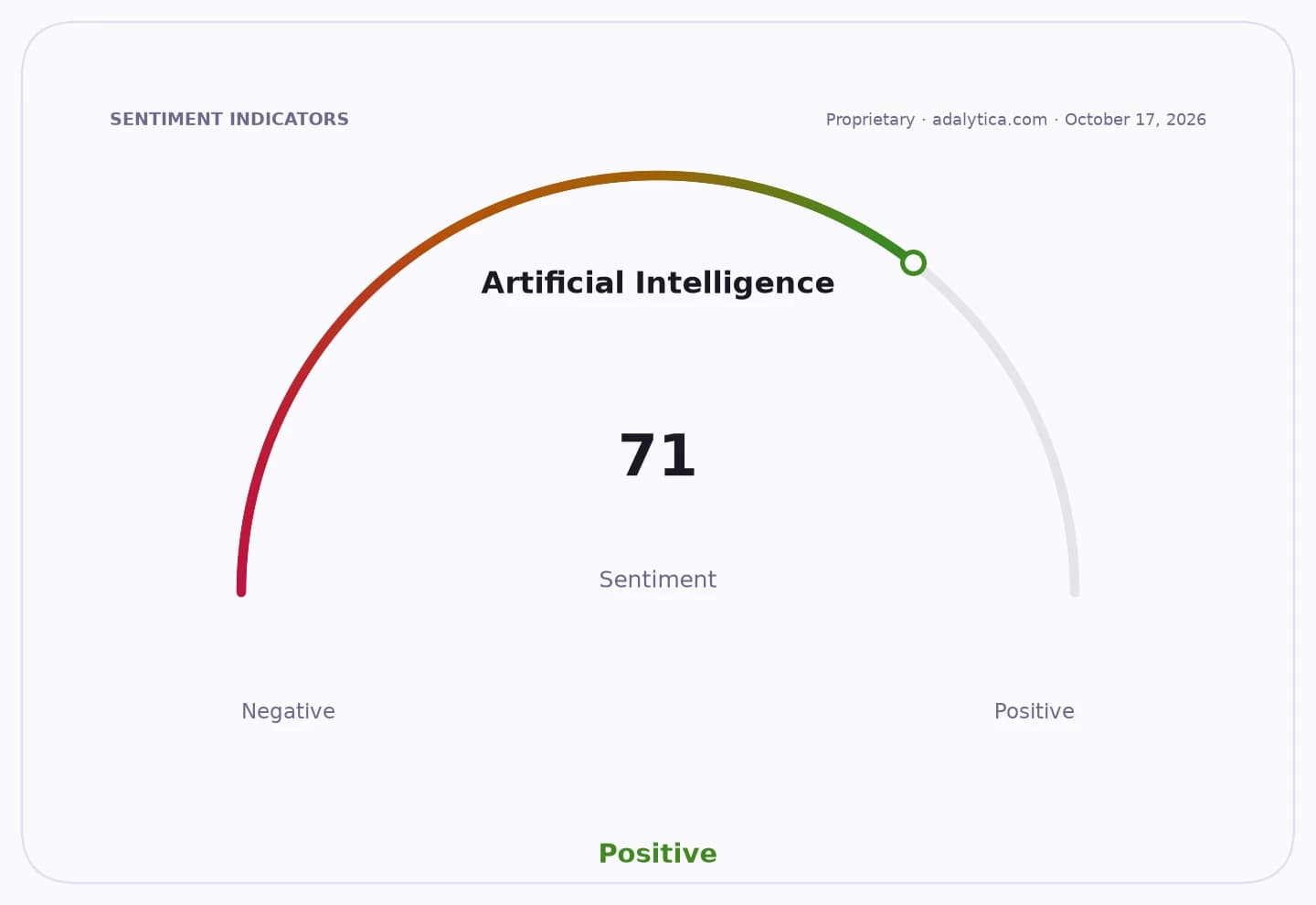
Alphabet’s Waymo is preparing to launch an autonomous on-demand transportation service in Madrid, marking one of its clearest steps yet toward turning self-driving technology into a cross-border commercial business.
Alphabet Waymo Plans Madrid Autonomous Ride Service
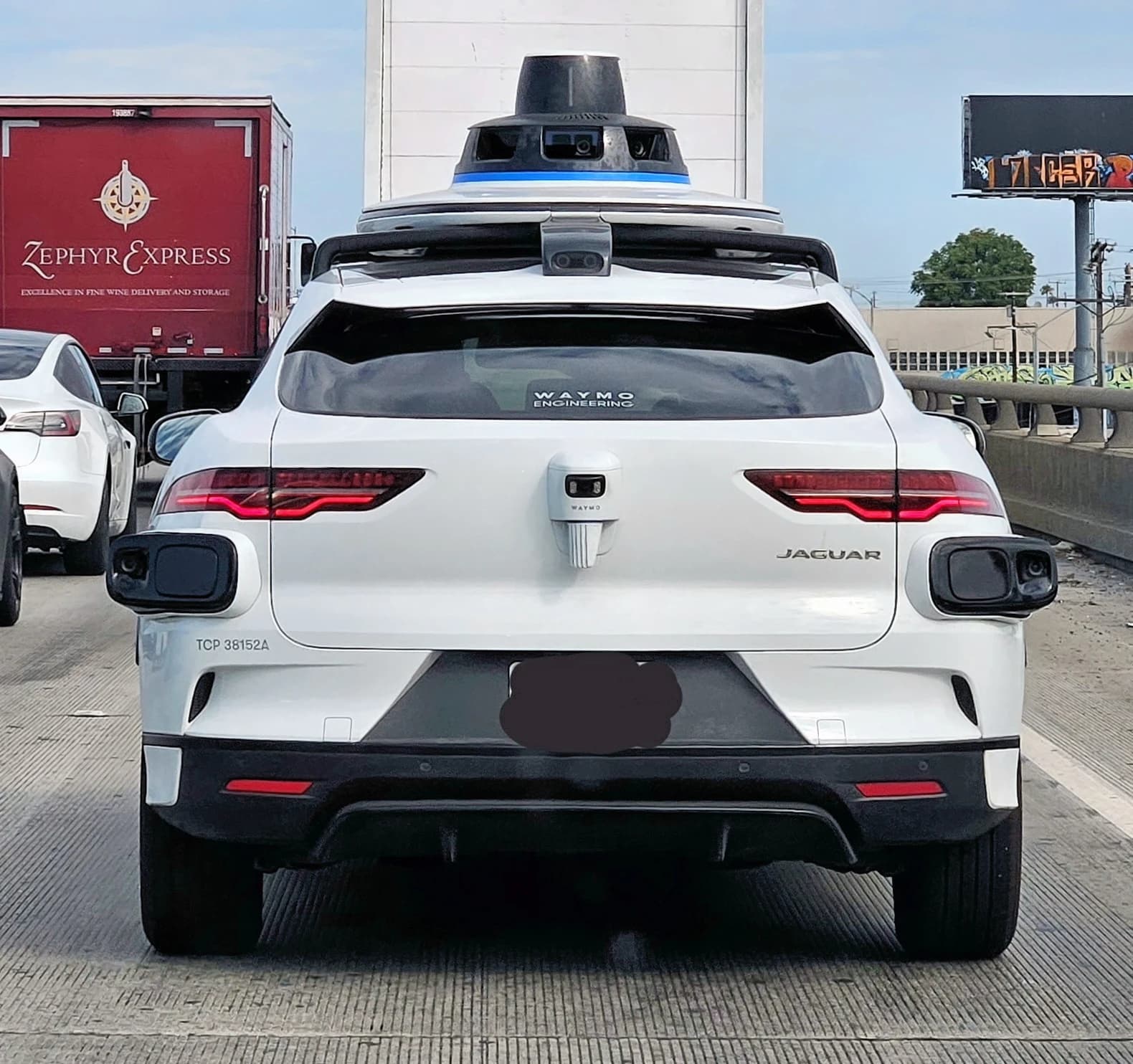
The move matters because it shifts Waymo’s story from U.S. pilot programs to international deployment, testing whether its driverless model can scale in a large European capital with different roads, regulations and labor dynamics. For Alphabet, that is not just a product milestone: it is a bid to turn years of capital spending on autonomy into a revenue stream that can eventually justify the investment.
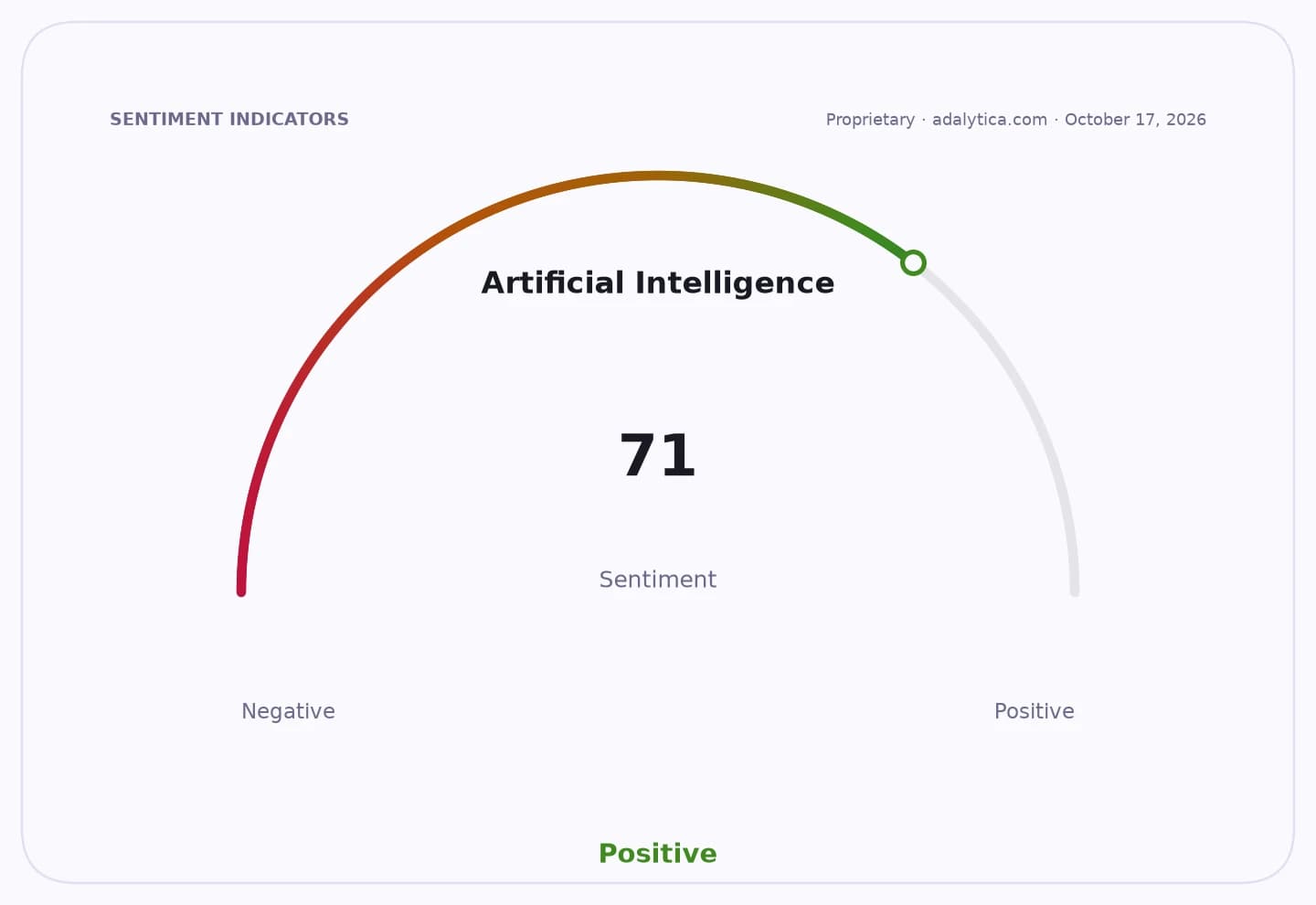
Sentiment IndicatorsⓘProprietary · adalytica.com · October 25, 2026
This is a snapshot — live sentiment, awareness and momentum for 130+ markets update continuously in the dashboard.Open AlphaPulse
Investors have long treated Waymo as one of Alphabet’s highest-upside but hardest-to-value bets. The service launch in Madrid suggests the company is willing to spend further to widen its geographic footprint and prove that its technology can operate in a more demanding regulatory environment. That makes the initiative strategically important even if initial financial contribution is likely to be small.
The timing also lands in a market that is increasingly focused on autonomy as the next battleground in mobility. Uber, which has said Waymo is already commercializing ride-hailing on its own platform and has warned that autonomous rivals could move faster, has been one of the clearest public signals that the sector sees driverless fleets as a direct threat to human-driver networks. Tesla and Amazon-owned Zoox remain in the race as well, intensifying pressure on incumbents to secure data, partners and city approvals.
For Alphabet, the Madrid launch could provide a second-order benefit beyond the ride business itself. A successful expansion would reinforce the company’s broader AI narrative at a time when investors are demanding proof that artificial intelligence spending can translate into durable commercial products. The stock has been volatile, and technical indicators show it recently slipped below its 50-day moving average after a sharp pullback, underscoring that the market is still weighing growth ambitions against execution risk.
The bear case is straightforward: autonomous transport remains expensive, operationally complex and politically sensitive, particularly in cities where regulators and labor groups may resist rapid adoption. The bull case is that every new market expands Waymo’s data, strengthens its operating playbook and increases the odds that autonomy becomes a meaningful platform business rather than a science project.
For investors, the Madrid launch is another test of whether Alphabet can convert self-driving into an addressable global market. If Waymo can replicate its U.S. performance abroad, it would strengthen the investment case for Alphabet’s other “other bets” and help frame autonomy as a long-duration growth engine rather than a sunk cost.
| Entity | Gains | Losses |
|---|---|---|
| Alphabet / Waymo | ▲Global expansion, autonomy credibility | ▼Higher execution and regulatory risk |
| Uber | ▲Sector validation, potential partnership optionality | ▼Competitive pressure on ride-hailing model |
| Tesla / Zoox | ▲Market momentum for autonomy | ▼Pressure to keep pace in international rollout |
| Drivers / traditional taxi fleets | ▲— | ▼Potential share loss from autonomous rides |