Alibaba is poised to support Neolix’s roughly $400 million funding round, underscoring how China’s biggest internet and commerce groups are moving deeper into autonomous logistics as they look for faster, cheaper ways to move parcels and cut delivery costs.
Alibaba to support Neolix $400 million funding round

The planned investment matters because driverless delivery sits at the intersection of e-commerce, urban logistics and industrial policy. For Alibaba, backing Neolix would extend its reach beyond online retail into the physical network that gets goods to customers, a step that could eventually improve unit economics for last-mile delivery across its commerce ecosystem.
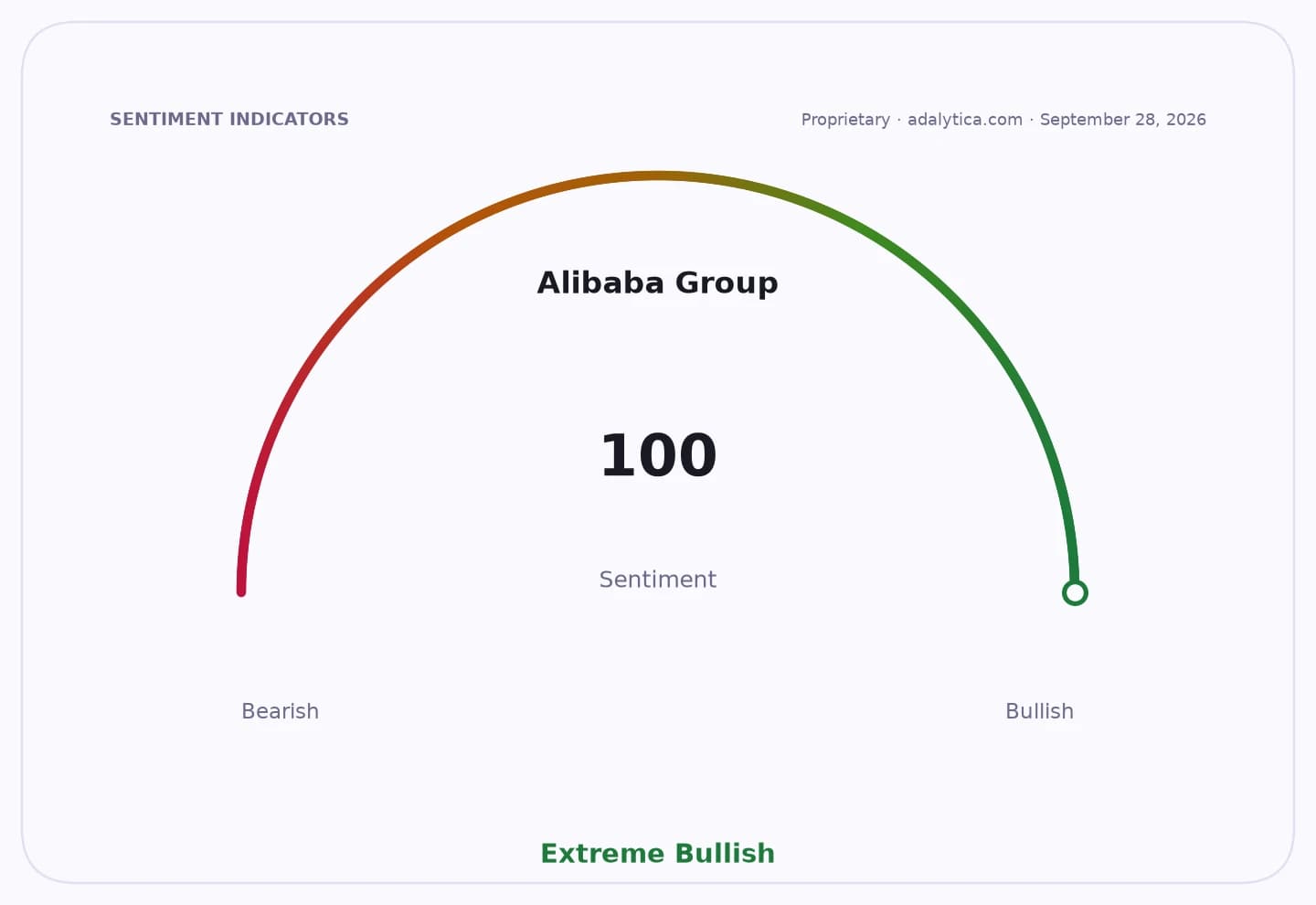
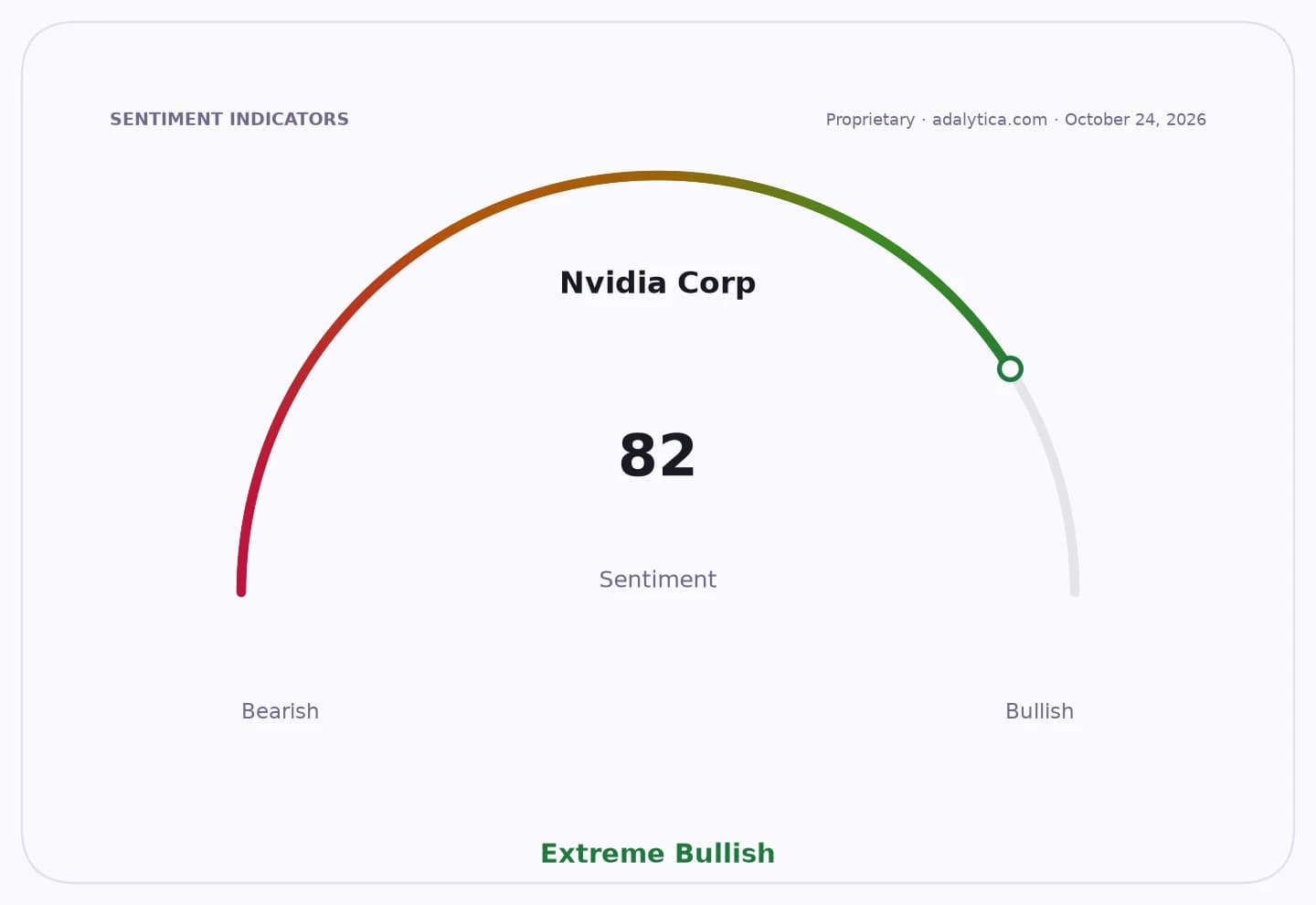
Sentiment IndicatorsⓘProprietary · adalytica.com · October 24, 2026
This is a snapshot — live sentiment, awareness and momentum for 130+ markets update continuously in the dashboard.Open AlphaPulse

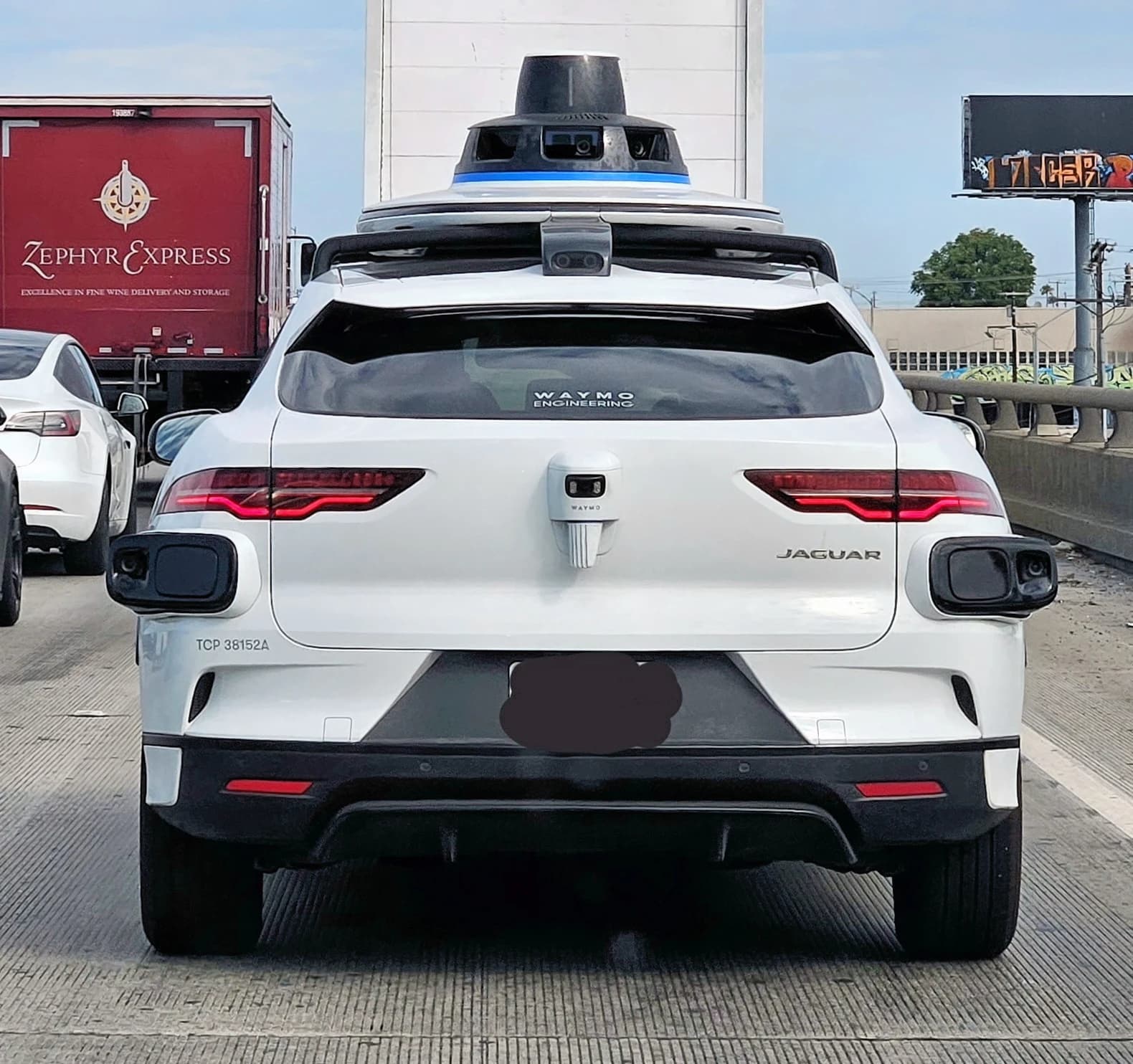
The raise also signals that capital is still flowing into autonomy even as regulation and execution risks remain high. Driverless delivery is less passenger-facing than robotaxis, but it still depends on permitting, safety validation and city-by-city rollout, making commercialization a longer road than the headline numbers suggest.
For investors, the deal reinforces Alibaba’s appetite for strategic spending beyond its core marketplace business at a time when sentiment around the stock has surged. Alibaba’s shares closed at $99.64 on Oct. 23, with the stock down below both its 50-day moving average of $112.41 and 200-day moving average of $127.1, while the RSI reading of 26.1 points to technically oversold conditions after a sharp pullback.

The broader backdrop is one of rising interest in autonomous mobility and logistics across China and overseas. But the investment case will ultimately hinge on whether Neolix can turn that interest into scaled deployments, reliable operations and lower delivery costs — the metrics that will determine whether driverless delivery becomes a margin lever rather than just another expensive experiment.
| Entity | Gains | Losses |
|---|---|---|
| Alibaba | ▲Logistics optionality | ▼Near-term capital outlay |
| Neolix | ▲Fresh funding | ▼Greater execution pressure |
| E-commerce rivals | ▲Little immediate gain | ▼Risk of higher delivery costs |
| Traditional couriers | ▲No direct benefit | ▼Automation threat |