Mercedes-Benz is deepening its partnership with Nvidia in a bid to bring more autonomous driving technology into production cars, a move that underscores how artificial intelligence is shifting from infotainment and driver-assist features toward the far larger prize of hands-off driving.
Mercedes-Benz and Nvidia Expand Autonomous Driving Deal
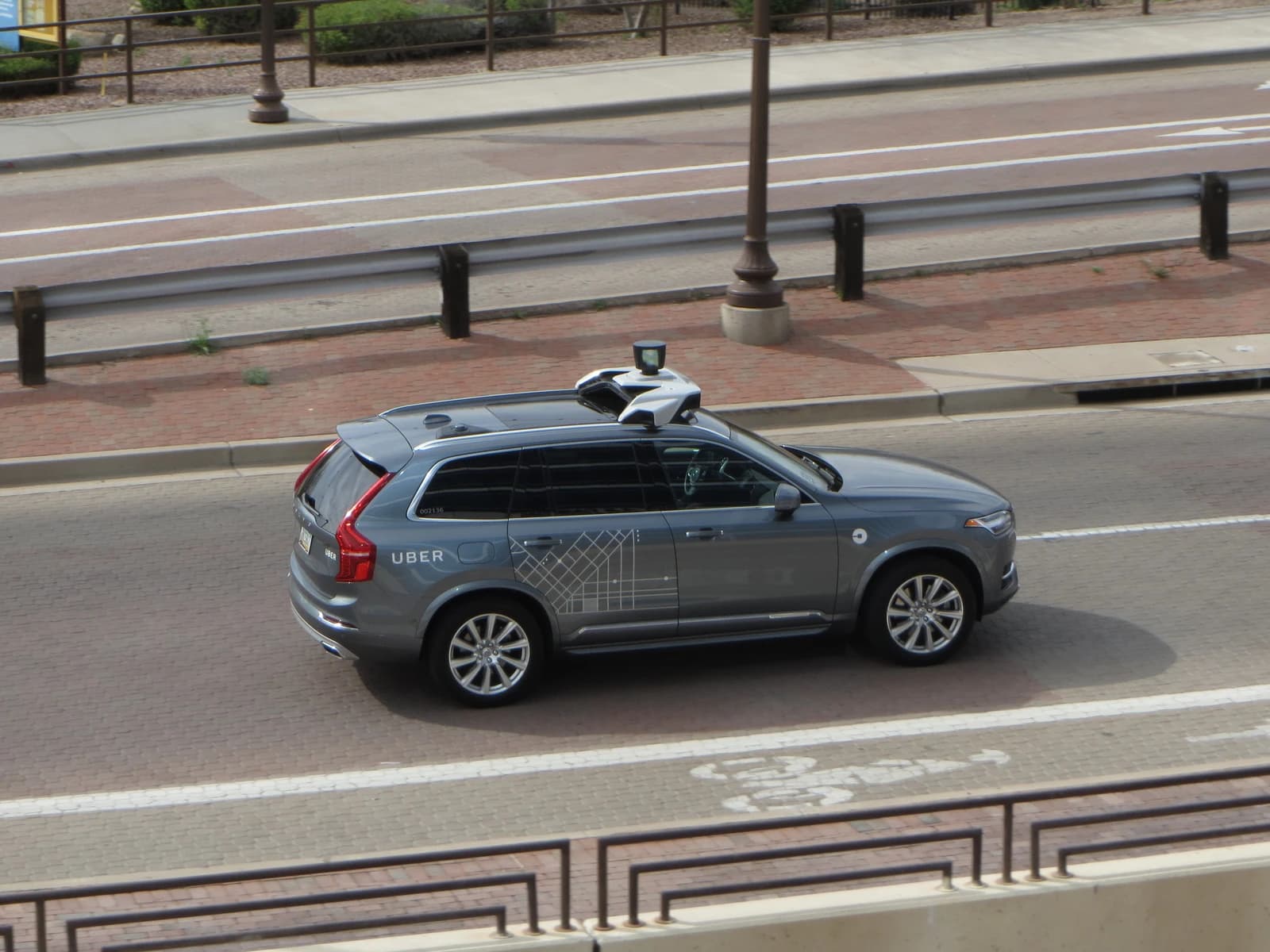
The companies said they will work together for the next 10 years on new assistance systems that combine Mercedes’ MB.OS software with Nvidia’s computing and sensor stack, including a new AI software layer called Alpamayo designed to interpret traffic scenes and make driving decisions. The target is not just smoother lane-keeping or parking help, but systems that can handle dense city traffic, intersections and automated parking more reliably, with level 4 autonomy and robotaxis also in scope over time.
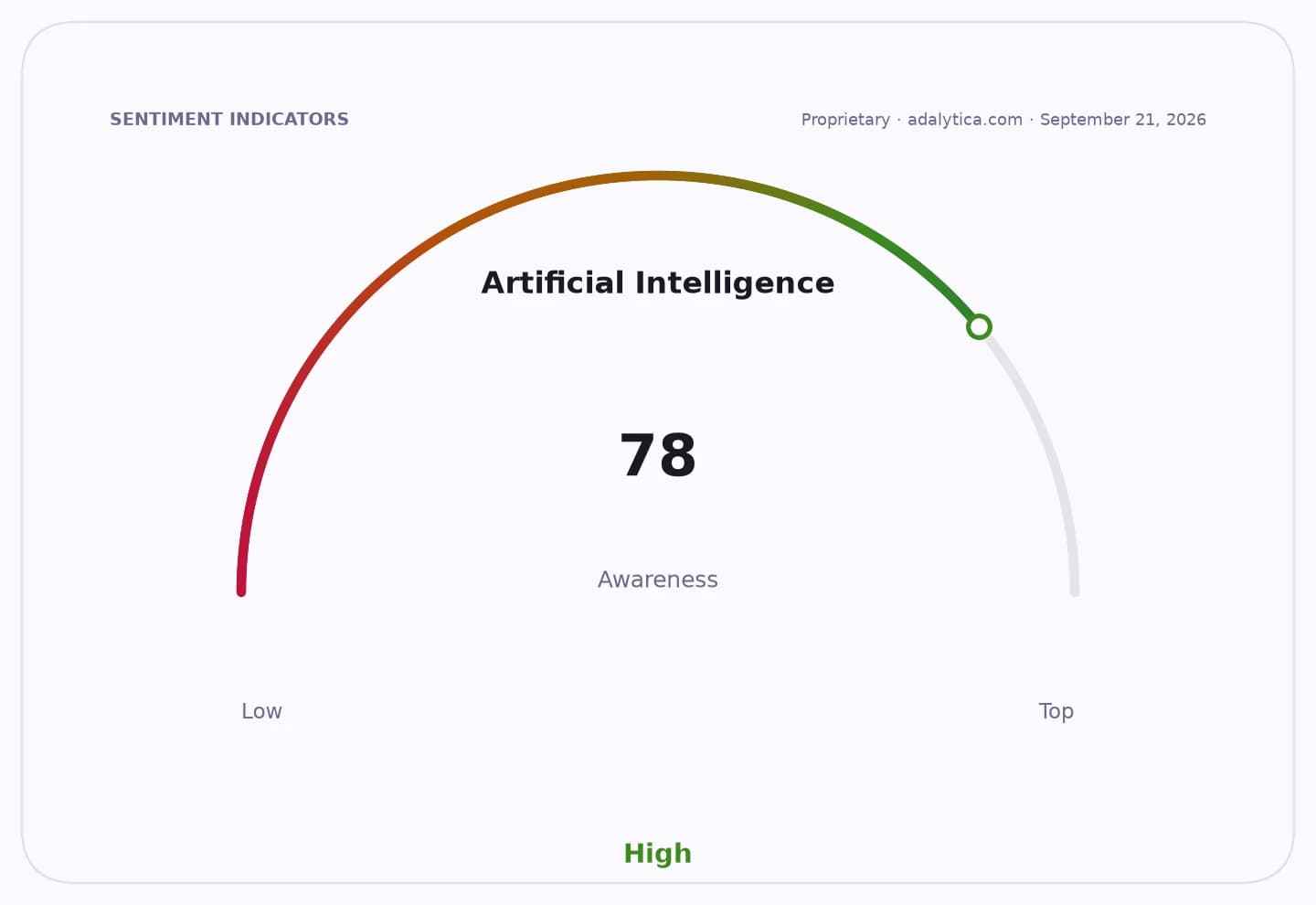
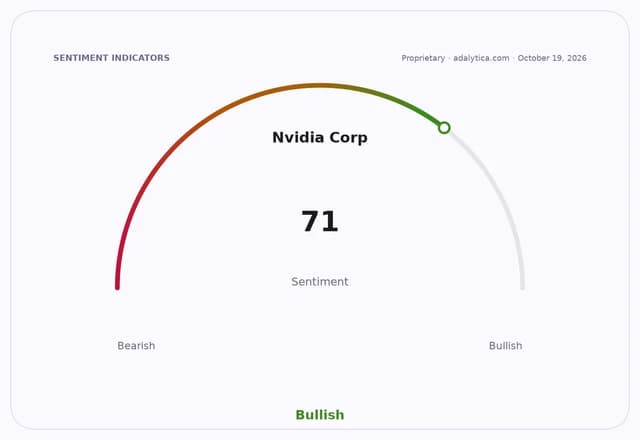
Sentiment IndicatorsⓘProprietary · adalytica.com · October 19, 2026
This is a snapshot — live sentiment, awareness and momentum for 130+ markets update continuously in the dashboard.Open AlphaPulse
For Mercedes, the agreement is strategically important because software is becoming a core differentiator in premium autos, where the battle is no longer just about horsepower, range or luxury trim. A credible self-driving roadmap could strengthen its position against rivals from Tesla to China’s fast-moving electric-vehicle makers, while also helping justify the heavy investment automakers are making in digital platforms and advanced driver-assistance systems. For Nvidia, the deal extends its reach beyond data centers into another high-value computing market where its chips and software can become embedded in the vehicle architecture.
Investors will view the announcement through two lenses. Bullish investors will see another validation of Nvidia’s role as the infrastructure provider for AI, with automotive one of the cleaner long-duration optionalities on top of its core data-center franchise. Bears may note that Mercedes gave no timetable for series production and that autonomous driving remains a capital-intensive, regulation-heavy business where commercialization has repeatedly slipped. The fact that the partnership is framed over a decade, rather than around a near-term launch, suggests the economic payoff is still distant.
That said, the deal fits a broader industry shift. Carmakers are trying to turn vehicles into software-defined products that can improve over time and potentially generate recurring revenue from advanced driver-assistance features, subscriptions and robotaxi services. If Mercedes can translate Nvidia’s AI stack into safer autonomy, it could help lift long-term margins and brand equity. If not, the agreement still highlights where the industry is heading: deeper compute content per car, higher development costs and a race to control the software layer in mobility.
Adalytica’s proprietary Nvidia earnings sentiment gauge is currently in “Greed” territory at 71, though awareness remains low, while Nvidia’s share price has recently been above both its 50-day and 200-day moving averages. Tesla, another closely watched autonomy name, has also been trading above its 200-day average, reflecting continued investor interest in self-driving optionality even as the timeline to commercialization remains uncertain.
For now, the most important takeaway is that Mercedes and Nvidia are betting that AI can make autonomous driving more than a promise. The market will be watching whether the collaboration produces production-ready systems that can move from demonstration to revenue.
| Entity | Gains | Losses |
|---|---|---|
| Mercedes-Benz | ▲stronger software edge | ▼higher R&D costs |
| Nvidia | ▲deeper auto exposure | ▼longer payback timeline |
| Tesla | ▲autonomy theme support | ▼competitive pressure |
| Legacy automakers | ▲access to AI stack | ▼margin squeeze |