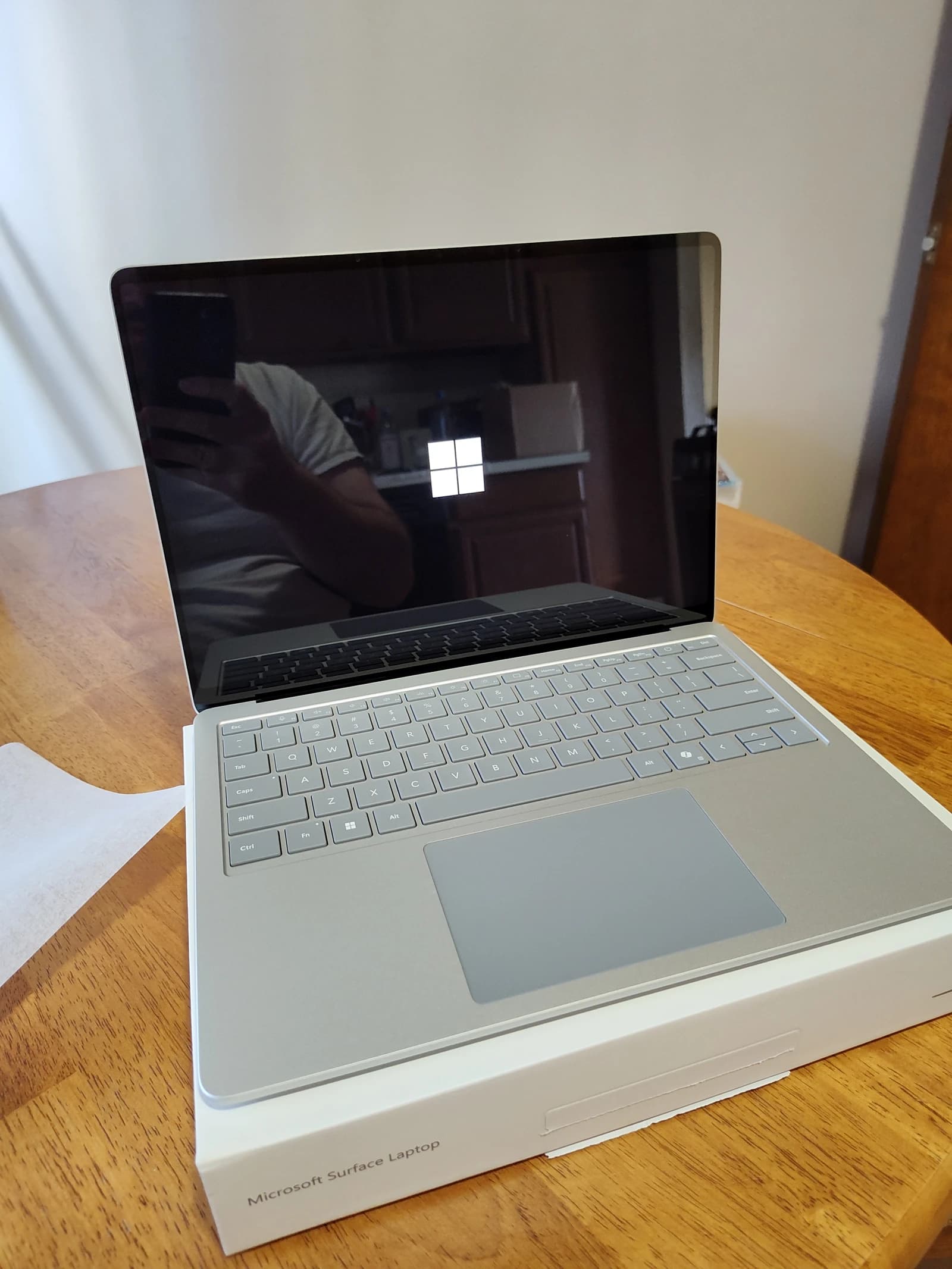
NVIDIA is moving its AI hardware push from cloud servers into consumer and creator laptops, with the new RTX Spark platform aimed at running local AI agents and other on-device workloads without a constant internet connection. That shift matters because it broadens the company’s addressable market beyond data centers and taps a fast-growing demand for PCs that can handle generative AI, graphics and productivity tasks in one machine.
NVIDIA RTX Spark Expands AI Push Into PCs
The first public wave of RTX Spark devices is arriving in notebook and mini-PC form, including ASUS’s new ProArt P16, a 16-inch machine pitched at creative professionals who want to run AI tools locally. NVIDIA is also adding a second front in Windows on ARM, where Qualcomm’s Snapdragon X has been the dominant option, giving the chipmaker a direct route into a still-early segment of the PC market.
The timing fits a broader industry shift toward “agentic” software, where operating systems and applications are designed to run more of the AI workload on the device itself. Microsoft has been signaling that direction for Windows 11, but that requires hardware with more headroom than current Copilot+ systems can offer, which is where RTX Spark is being positioned.
For investors, the move is important for two reasons: it creates a new growth avenue for NVIDIA outside the hyperscaler buildout that has driven most of its market value, and it deepens the competitive pressure on PC chip rivals. AMD and Intel both remain exposed to a market where AI-capable laptops could become a bigger share of premium notebook sales, while Qualcomm faces a new entrant in ARM-based Windows devices.
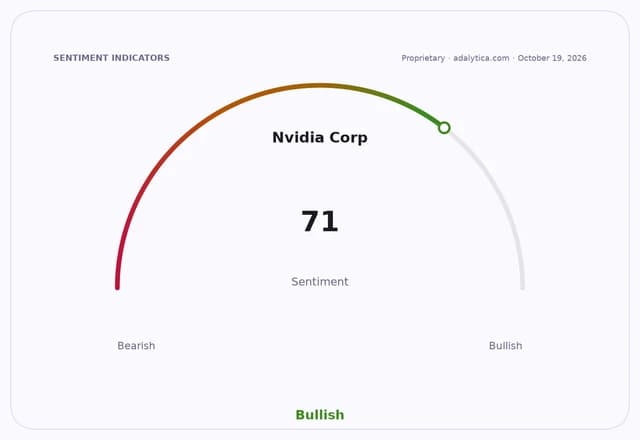
The stock has been volatile even after a powerful run. NVIDIA closed at $215.08 on Oct. 19, below its 50-day moving average of $222.79 but still above its 200-day average of $202.80, while RSI readings of 35.7 point to a stock that has cooled after recent swings. Adalytica’s NVIDIA earnings sentiment gauge shows “Greed” at 71, though awareness remains low at 29, suggesting the market is still digesting the company’s next growth driver rather than fully pricing it in.
The product angle also underscores a new use case for AI hardware: not just training large models in data centers, but running assistants, creative tools and agents directly on the PC. That could help NVIDIA win higher-end notebook designs and push Windows users toward more capable AI hardware, but it also raises the bar for competitors trying to sell the next generation of AI PCs.
The key question now is whether RTX Spark can turn NVIDIA’s data-center dominance into a durable foothold in premium laptops and mini PCs, with broader adoption likely to depend on software support, battery trade-offs and how quickly developers build tools around local AI.
| Entity | Gains | Losses |
|---|---|---|
| NVIDIA | ▲New PC growth lane | ▼Reliance on data-center demand |
| ASUS ProArt P16 | ▲Premium AI laptop positioning | ▼Higher component cost |
| Qualcomm Snapdragon X | ▲Windows on ARM market share pressure | ▼First-mover advantage |
| AMD / Intel | ▲AI-PC upgrade demand if adoption grows | ▼Share in premium notebooks |