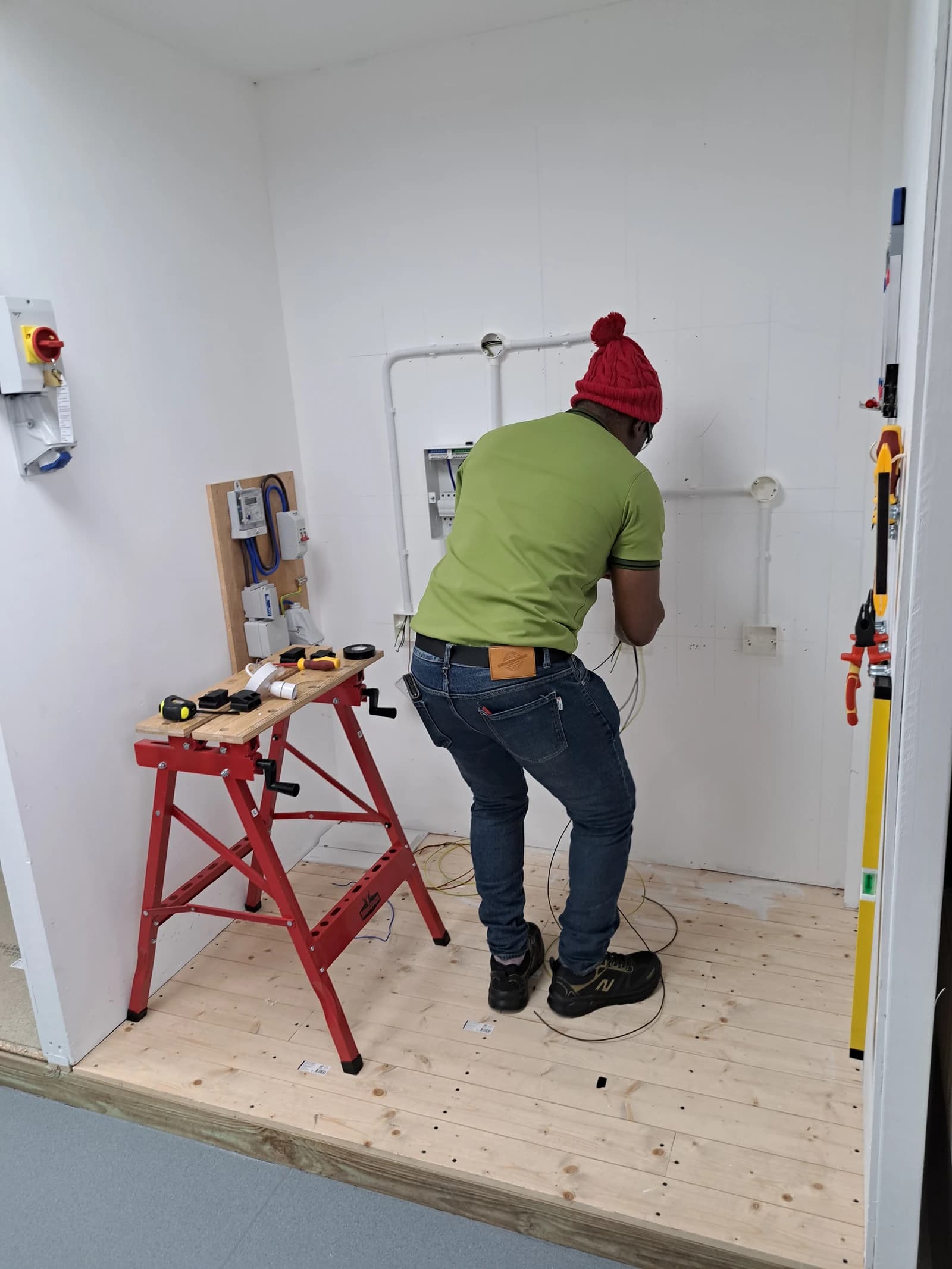
Nvidia chief Jensen Huang says the biggest paydays in the age of artificial intelligence may go to electricians, plumbers and carpenters, underscoring how the AI boom is spilling far beyond software into construction, power and industrial labor.
Nvidia AI buildout boosts skilled trades demand

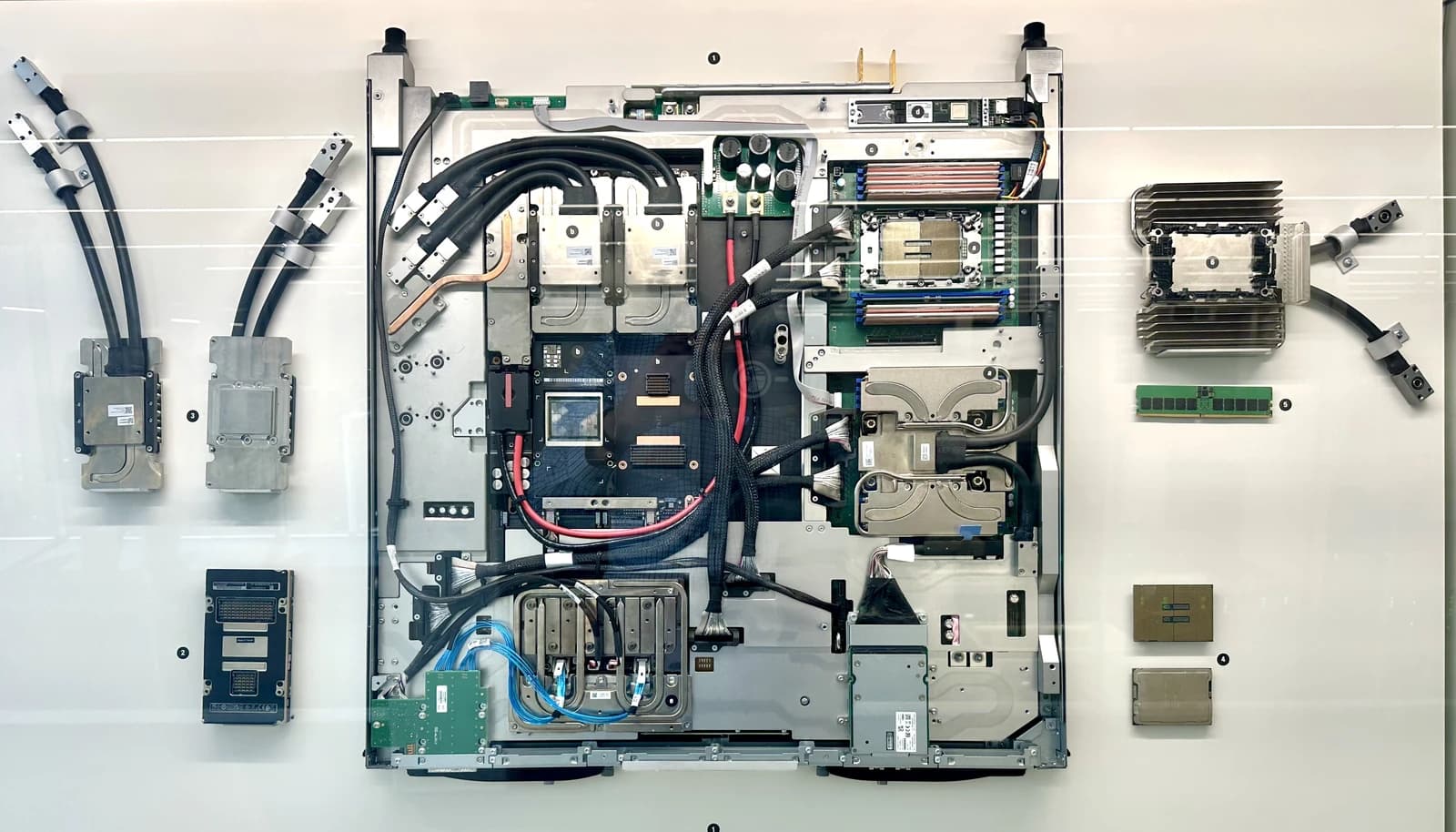
The message matters because the AI buildout is no longer just a chip story. Data centers need land, grid connections, cooling systems, fiber, backup power and a large workforce to install and maintain them, turning the sector into a major source of demand for skilled trades at a time when many investors still focus on office jobs at risk from automation.
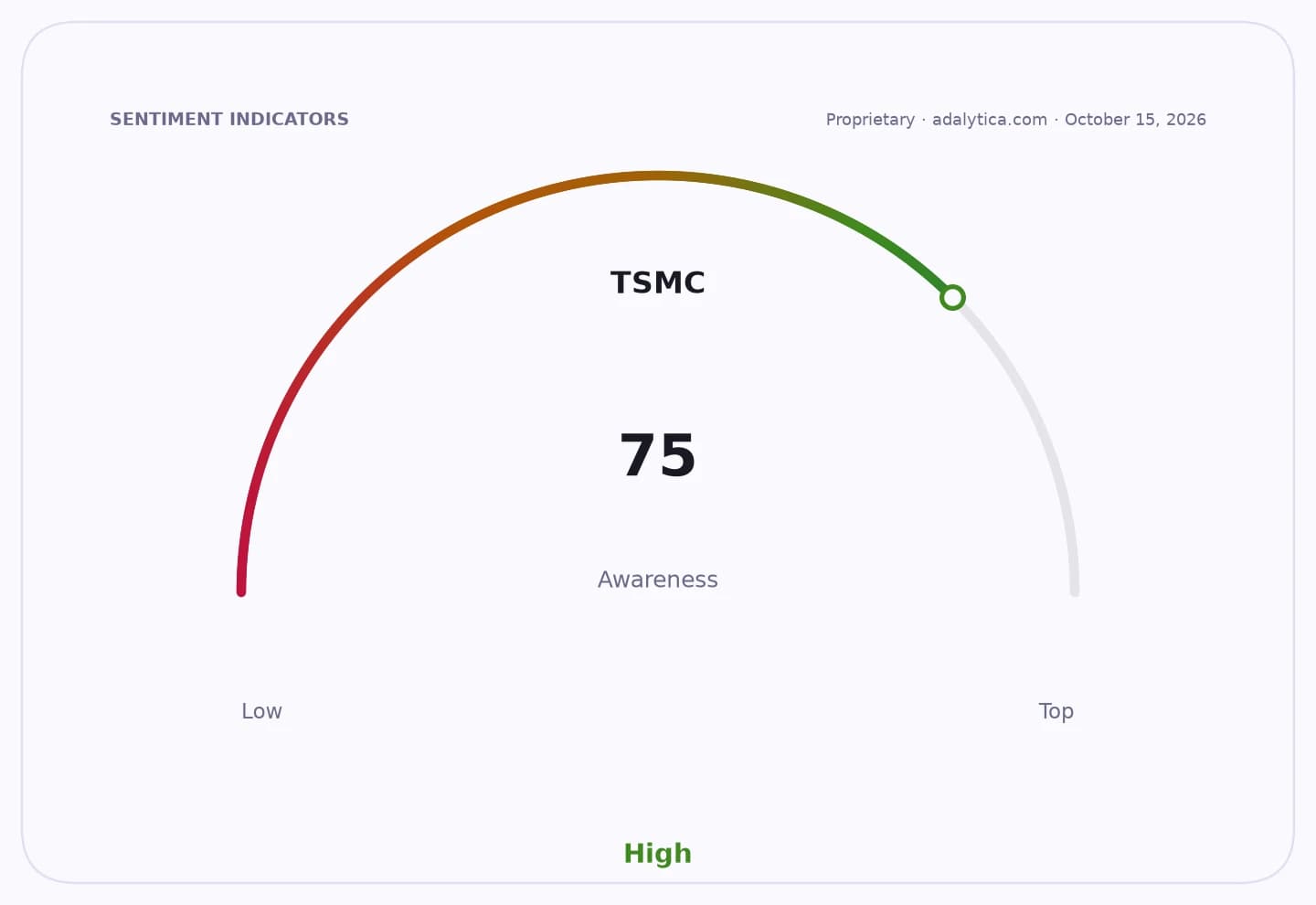
Sentiment IndicatorsⓘProprietary · adalytica.com · October 19, 2026
This is a snapshot — live sentiment, awareness and momentum for 130+ markets update continuously in the dashboard.Open AlphaPulse
Huang framed AI as a physical infrastructure cycle, not just a digital one. He said the industry will need “hundreds of thousands” of workers in those trades to build new AI “factories,” his term for the massive compute hubs behind modern models.
That lines up with a broader shift already visible in the market. Business and trade reporting has pointed to stronger demand for industrial electricians, welders, heavy-equipment operators, masons and cooling specialists as data-center construction accelerates, while one report cited pay for network installation and maintenance roles running about 40% above other industries.
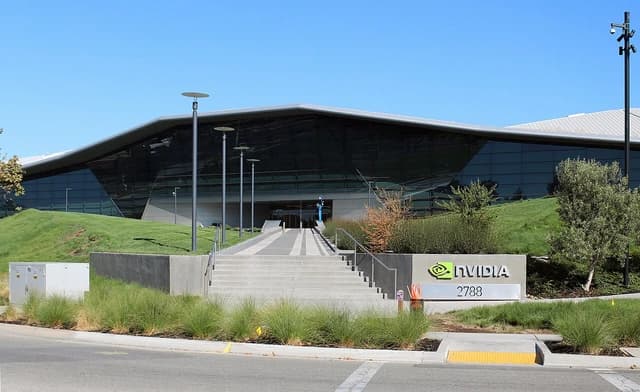
For Nvidia, the workforce angle also reinforces why the company remains central to the AI capex trade: every new server hall, power upgrade and cooling system ultimately supports more GPU demand. Investors have been watching whether the AI infrastructure cycle can keep expanding after a volatile run in the shares, with Nvidia stock recently trading at $214.13, below its 50-day average of $222.96 and above its 200-day average of $202.66.
The message is also a reminder that AI’s economic winners may be more distributed than the market’s tech-heavy narrative suggests. Microsoft, which is also tied to AI infrastructure spending, closed at $529.05, while Databricks rival C3.ai ended at $11.32, reflecting a market that is still separating infrastructure beneficiaries from application-layer names.
The next test is whether hyperscalers and chip buyers keep pouring money into AI buildouts, and whether the labor and power bottlenecks Huang describes start to show up in project timelines, margins and equipment orders.
| Entity | Gains | Losses |
|---|---|---|
| Electricians, plumbers, carpenters | ▲Higher wages, more demand | ▼Office workers facing automation |
| Nvidia | ▲More AI infrastructure spending | ▼Slower capex if projects stall |
| Data-center builders | ▲Steady project pipeline | ▼Higher labor and power costs |
| Microsoft and other AI spenders | ▲More compute capacity | ▼Margin pressure from buildout costs |