Volvo Cars is deepening its bet on autonomous driving by extending its partnership with NVIDIA to bring door-to-door self-driving capability into its next generation of electric cars, a move that underscores how auto makers are turning to outside AI leaders to shrink the gap on software-defined vehicles.
Volvo Cars Extends NVIDIA Self-Driving Partnership
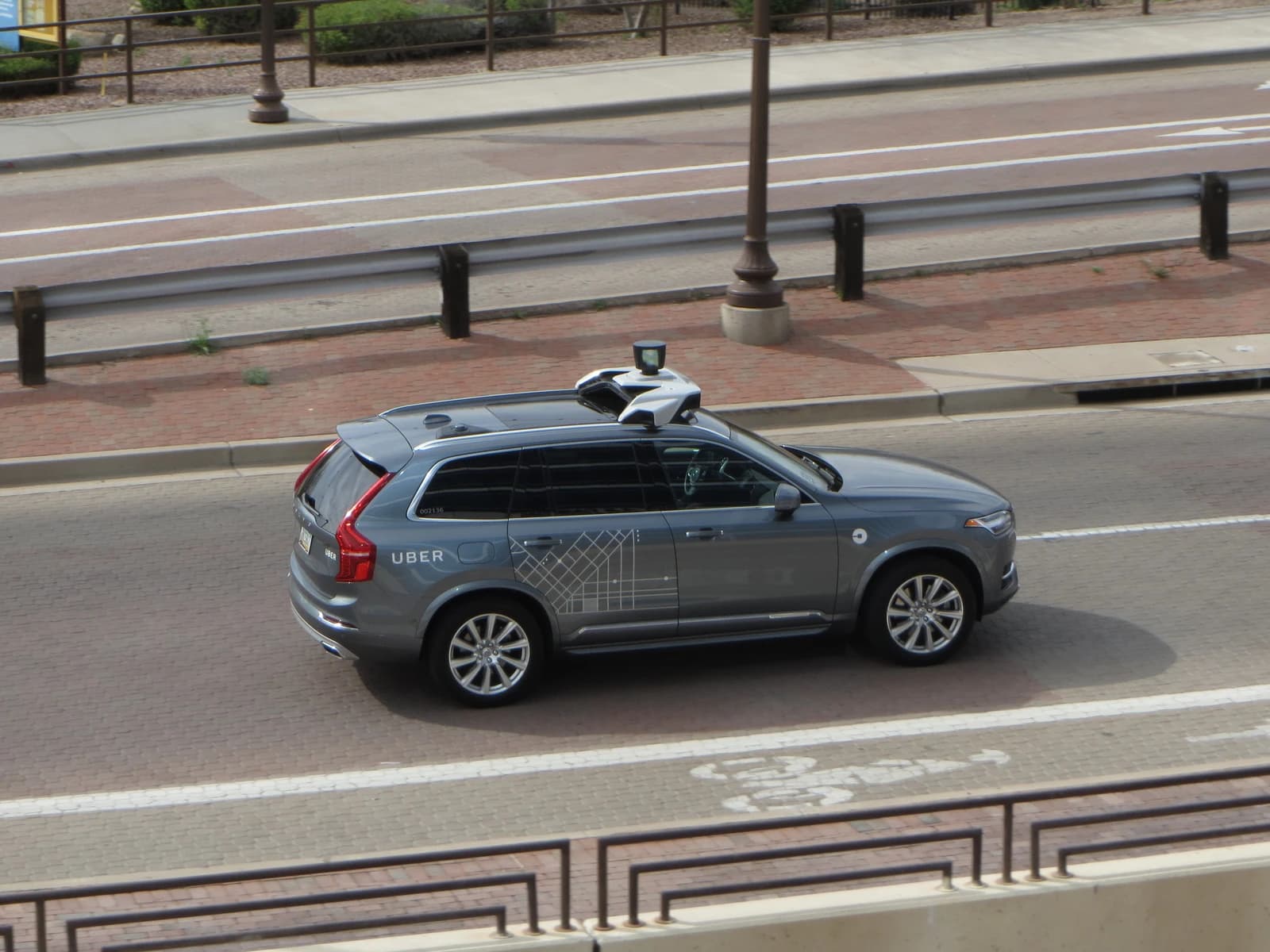
The Swedish carmaker said the technology will underpin models capable of handling everything from motorway traffic to complex urban environments, with advanced functions introduced in stages rather than all at once. For Volvo, the commercial logic is clear: higher levels of automated driving could support premium pricing, reinforce its safety brand and make its next EV platform more competitive in a market where software capability is becoming as important as horsepower or range.
The collaboration builds on a tie-up that began in 2017, but the latest phase is broader and more ambitious. Volvo plans to use NVIDIA’s Hyperion platform, which combines sensors and high-powered computing, as well as the company’s Halos safety platform and Alpamayo Stack software for AI-based automated driving. Volvo did not give a timetable for when the more advanced functions will be available to customers, a reminder that the regulatory, technical and validation hurdles for hands-off driving remain substantial.
The investment also fits into a wider industry shift. Carmakers increasingly want to own the customer-facing experience and safety layer, but they are relying on specialist chip and AI suppliers to provide the computing backbone. That makes NVIDIA less of a component vendor than an enabling platform for the next phase of automotive competition. For investors, the announcement reinforces the company’s role in a potentially long-duration revenue stream tied to autonomous driving, even as the stock remains sensitive to expectations around AI spending and execution.
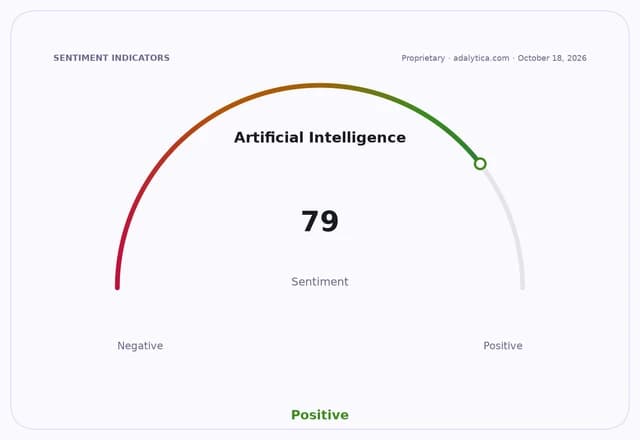
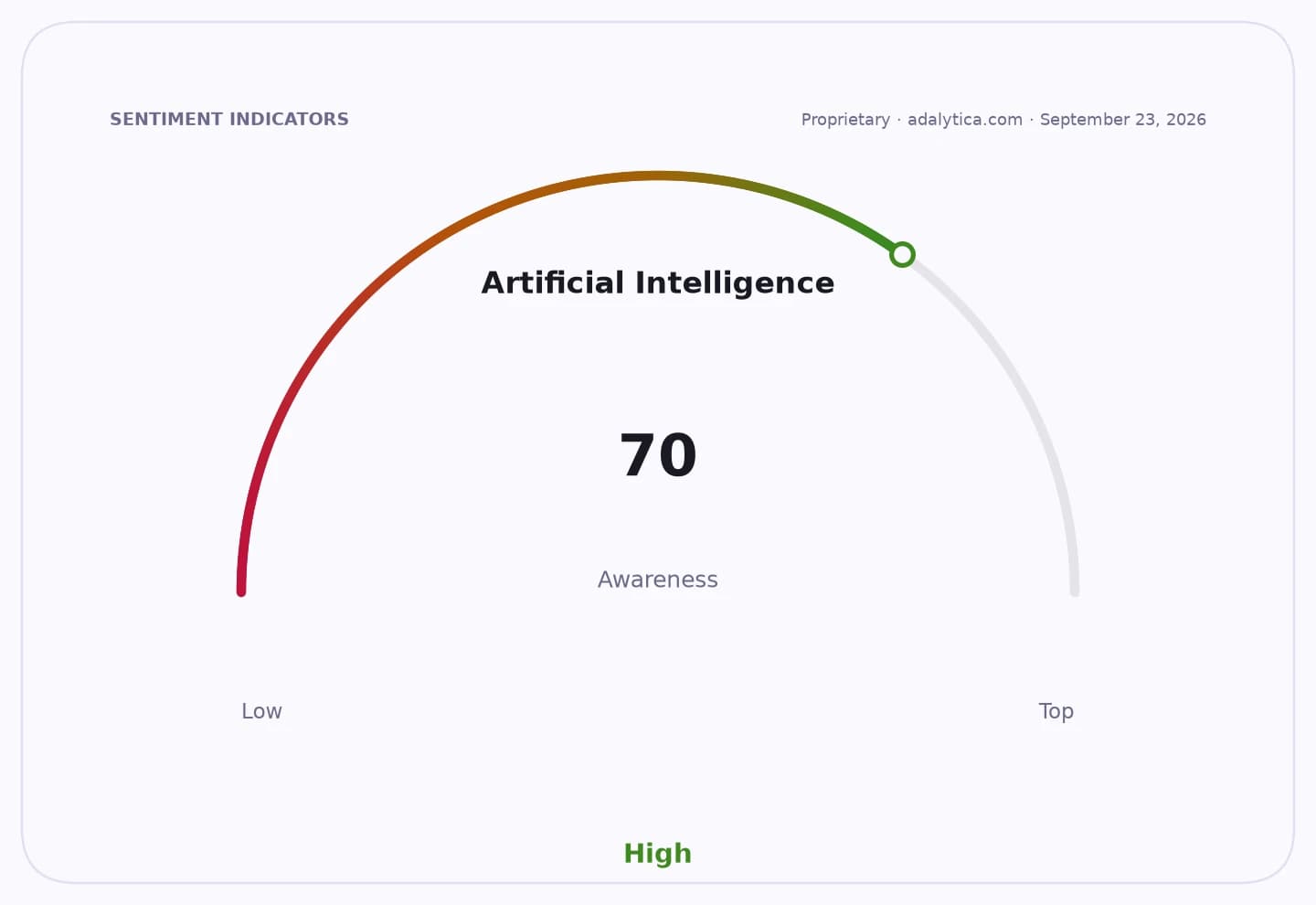
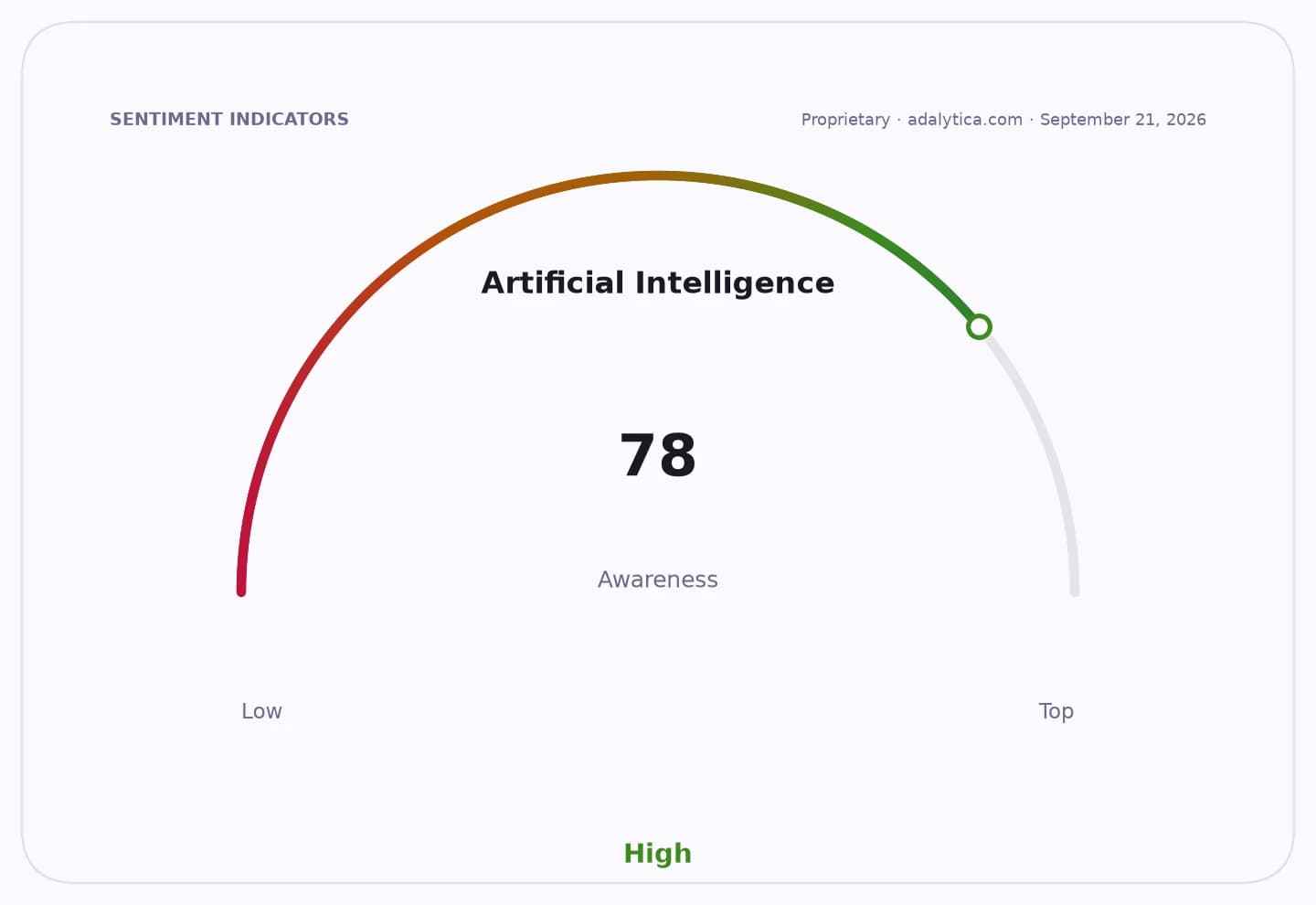
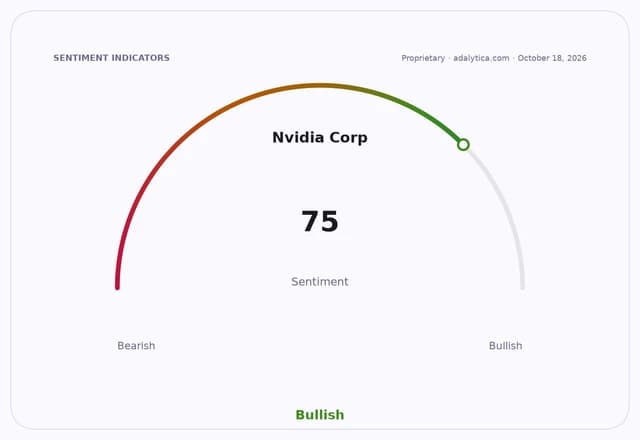
The market backdrop is still mixed. NVIDIA shares have pulled back from recent highs and remain below their 50-day moving average, while technical indicators such as RSI have eased from overbought levels, suggesting the stock is still digesting earlier gains. At the same time, sentiment around AI remains strong, reflecting investor confidence that AI adoption will continue to spread beyond data centers into industrial and consumer applications such as cars.
For Volvo, the upside is strategic rather than immediate. If the system performs as promised, it could strengthen the company’s position in the premium EV market and widen the moat around its long-standing safety reputation. The risk is that development timelines slip, adoption proves slower than hoped or rivals move faster with their own software stacks. For now, the message is that the autonomous-car race is moving from concept to platform integration — and Volvo wants NVIDIA at the center of it.
| Entity | Gains | Losses |
|---|---|---|
| Volvo Cars | ▲stronger safety-led EV pitch | ▼higher development dependence |
| NVIDIA | ▲deeper auto-AI revenue pipeline | ▼execution and valuation scrutiny |
| Rival automakers | ▲pressure to match software stack | ▼relative product differentiation |
| Consumers | ▲safer, more automated driving | ▼uncertain rollout timing |