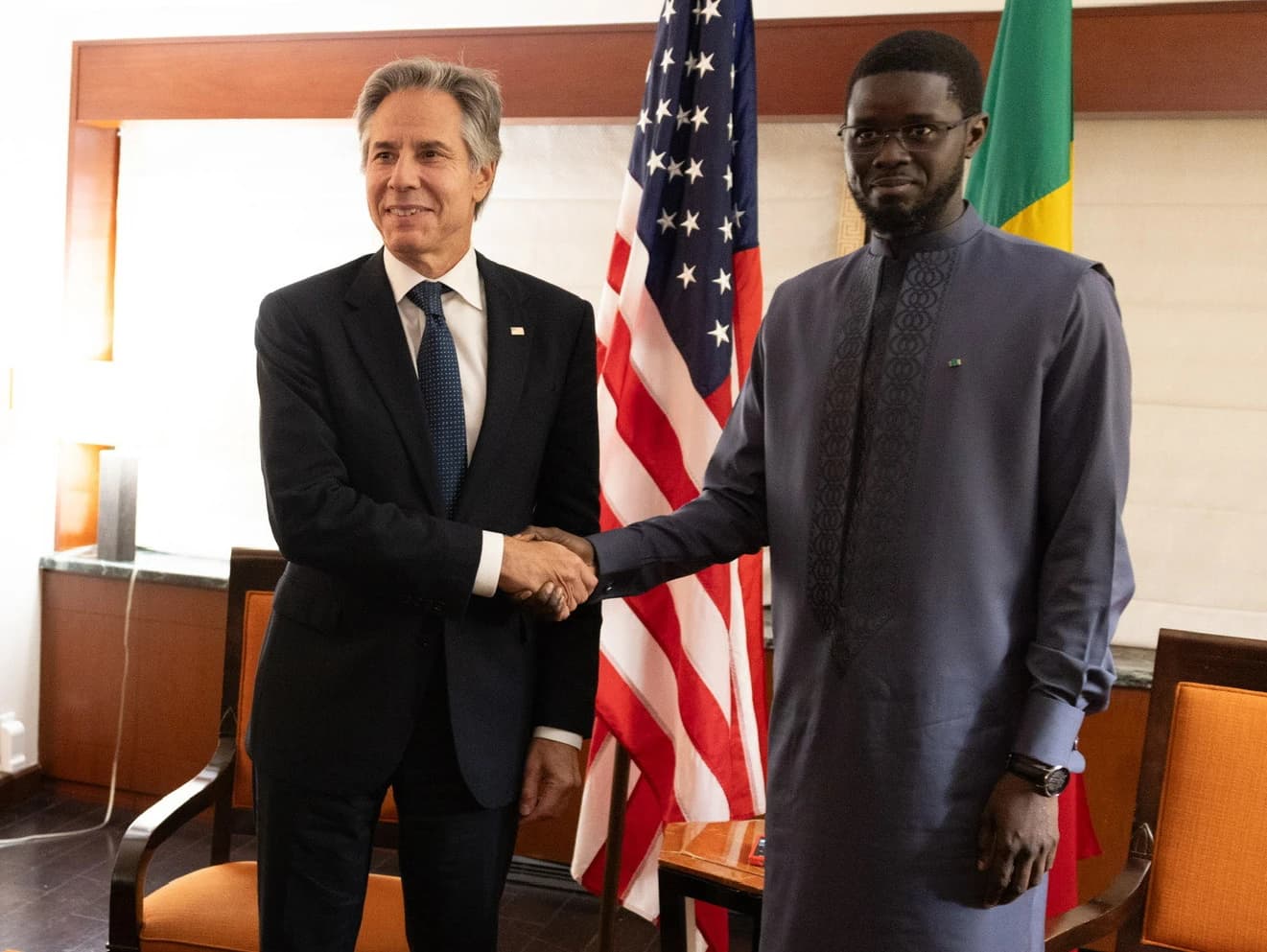
The United States is pressing for Senegal’s debt restructuring to be completed in less than a year, underscoring how Washington and the IMF want to show the G20’s sovereign-debt machinery can deliver faster results after years of delay and disorder in poorer-country workouts.
Senegal debt restructuring target set under 12 months
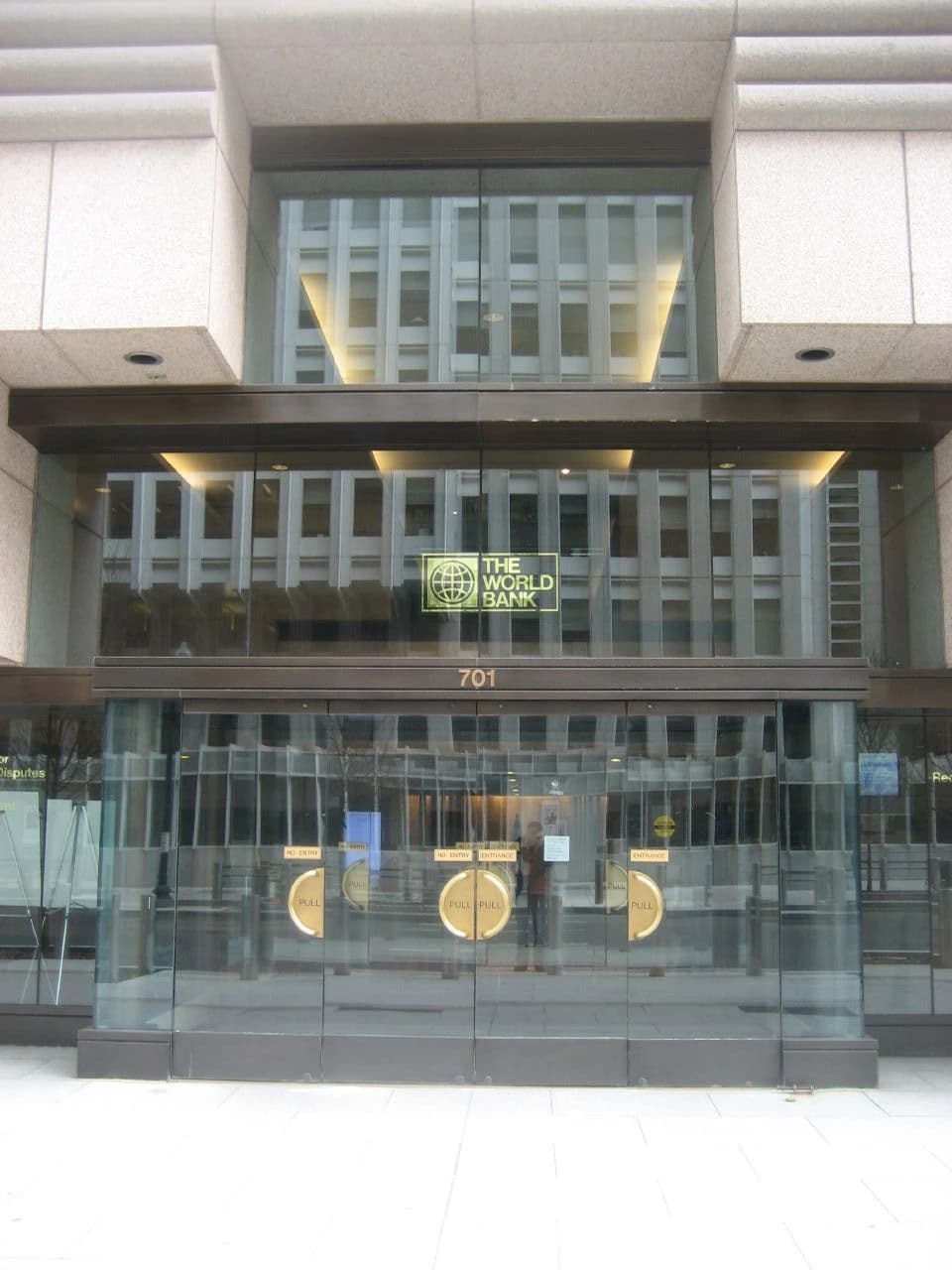
At issue is more than Senegal’s balance sheet. A quicker resolution would help determine whether the G20 Common Framework can move from a slow, creditor-heavy process to a credible tool for restoring debt sustainability in frontier markets that have been squeezed by higher borrowing costs. For investors in emerging-market debt, the outcome will be a test of how far official-sector coordination can limit restructuring uncertainty and reduce the risk premium on countries forced into the framework.
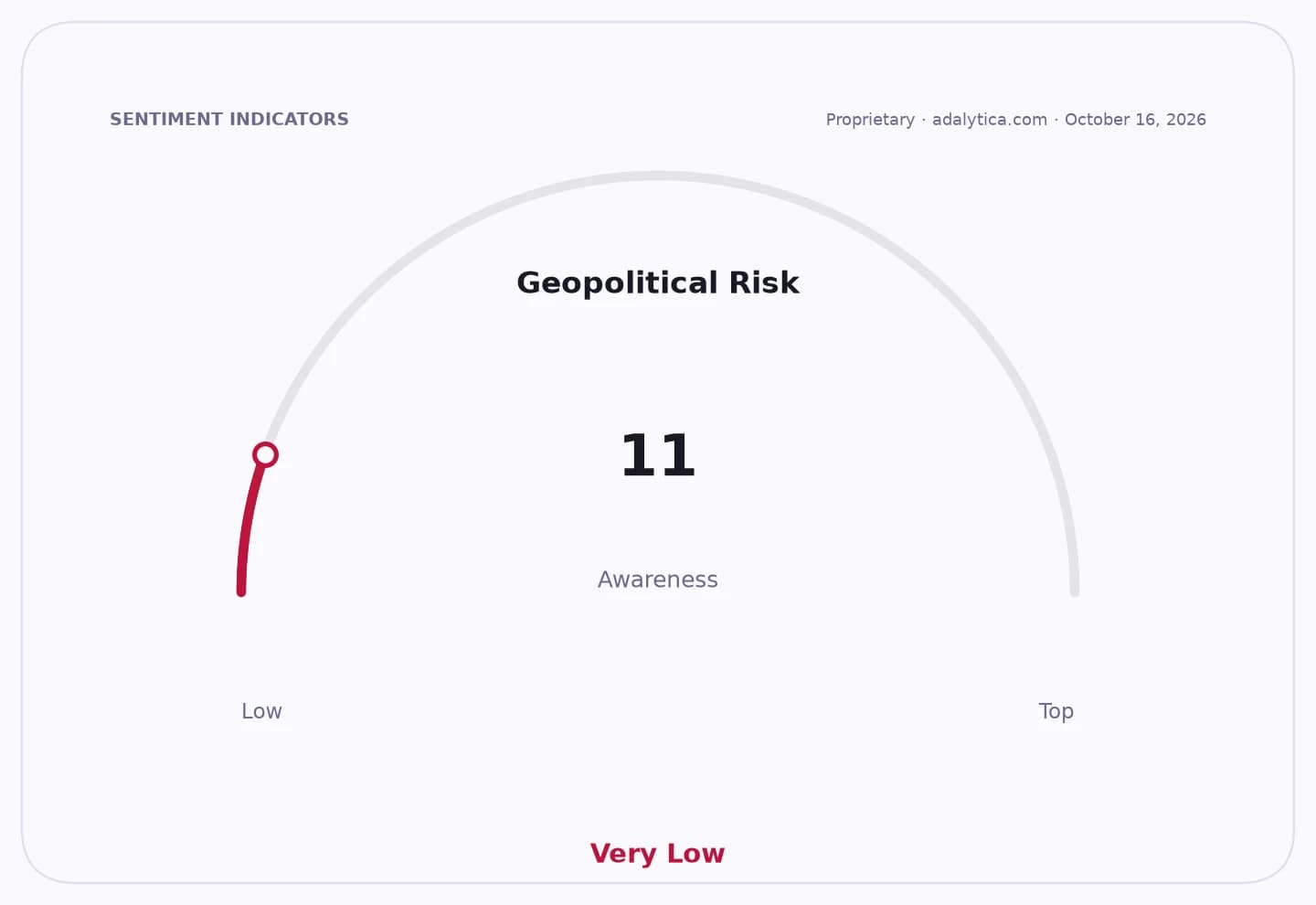
Sentiment IndicatorsⓘProprietary · adalytica.com · October 17, 2026
This is a snapshot — live sentiment, awareness and momentum for 130+ markets update continuously in the dashboard.Open AlphaPulse
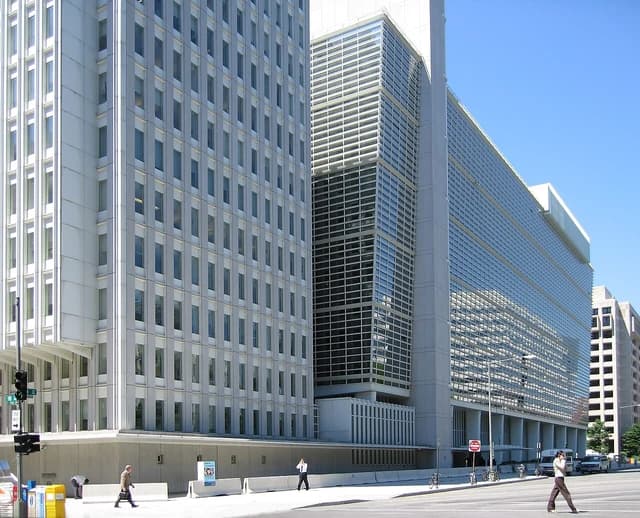
Erin Browne, the US Treasury’s undersecretary for international affairs, said Senegal is a “great example” of progress under the Common Framework and that the goal should be to finish the case in less than 12 months. Her comments came after a meeting of the Global Sovereign Debt Roundtable in Bangkok, where the IMF, World Bank, creditors, borrowers and private-sector participants discussed ways to speed up debt treatments that have often dragged on for years.
The urgency reflects hard lessons from Zambia and Ghana, where negotiations became protracted and markets were left with little clarity on recovery values or the timing of relief. A shorter Senegal timeline would suggest the framework is becoming more predictable, which matters because the longer restructurings stretch out, the more financing costs rise and the harder it becomes for governments to maintain basic spending without another turn to official lenders.
IMF managing director Kristalina Georgieva said on Wednesday that she was optimistic Senegal could renegotiate its debts and that the Fund would support the country with a staff-negotiated agreement for a $2.2 billion program. That combination of IMF financing and debt relief is crucial: it can anchor fiscal adjustment, reassure bilateral creditors and give private holders a clearer reference point for losses.
For Senegal, the stakes are immediate. The country is trying to put its finances back on a sustainable path, and a completed restructuring would likely unlock fresh financing while avoiding a disorderly adjustment that could weigh on growth and domestic demand. For creditors, a cleaner, faster process would improve recovery visibility, though it could also mean more pressure to accept quicker concessions.
The broader policy discussion also matters. Browne said the roundtable held “robust conversation” about broadening access to debt treatments beyond the poorest countries originally covered by the Common Framework, a sign that policymakers are grappling with a debt problem that now reaches deeper into emerging markets. With global interest rates still elevated, the risk is that more countries will need either spending cuts or restructurings before their debt paths become unmanageable.
For investors, the message is two-sided. A successful Senegal deal would be supportive for the broader emerging-market debt complex by reducing fears that restructurings are inherently slow and opaque. But it would also reinforce the view that sovereign stress remains a live theme in a world of tighter financing conditions, making country selection, creditor hierarchy and IMF involvement more important than ever.
| Entity | Gains | Losses |
|---|---|---|
| Senegal | ▲Faster debt relief | ▼Prolonged fiscal stress |
| US Treasury / IMF | ▲Credibility for Common Framework | ▼Delay-induced skepticism |
| Bilateral and private creditors | ▲Clearer process | ▼Potentially larger concessions |
| Emerging-market debt investors | ▲More certainty on recoveries | ▼Ongoing sovereign-risk repricing |