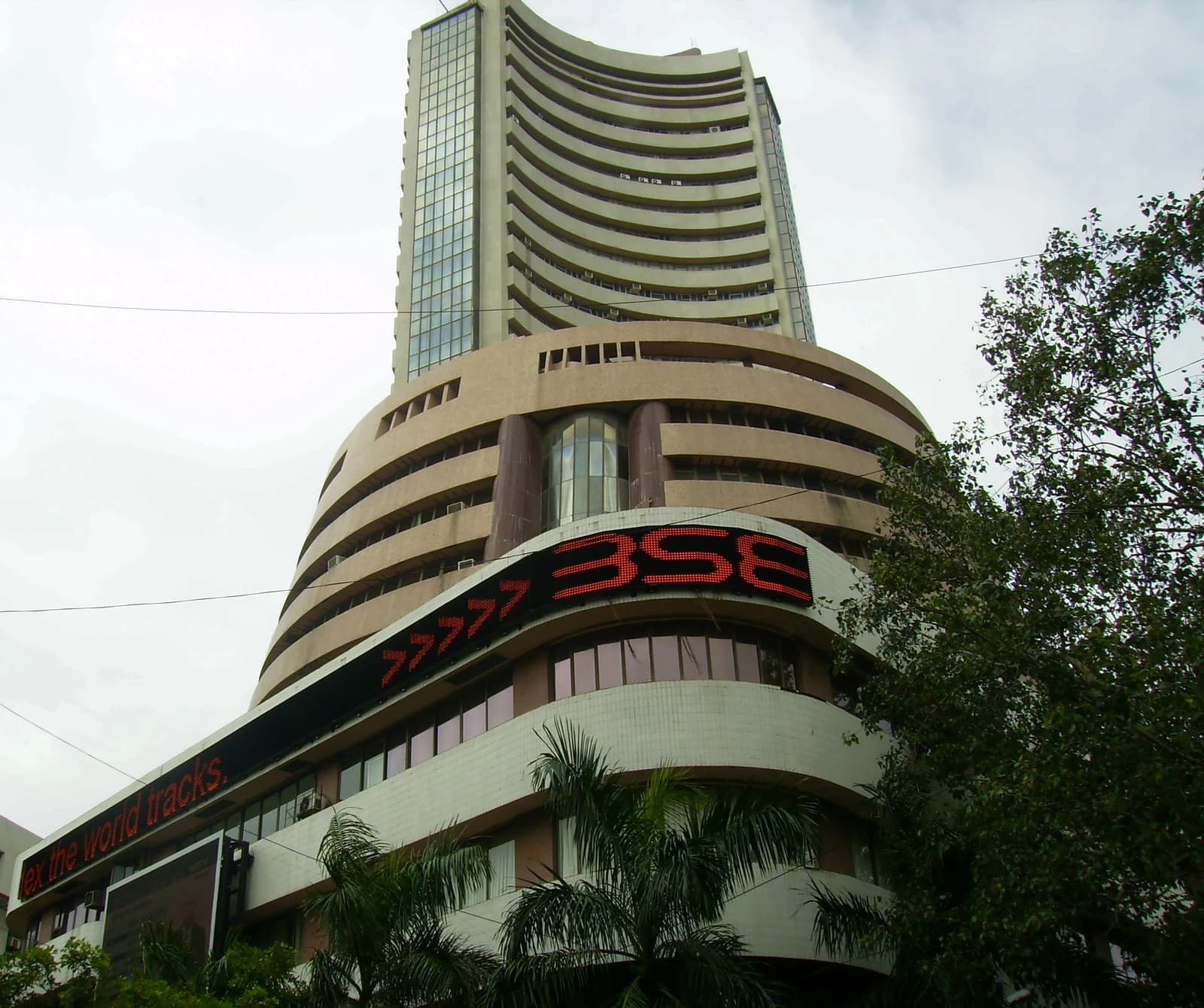
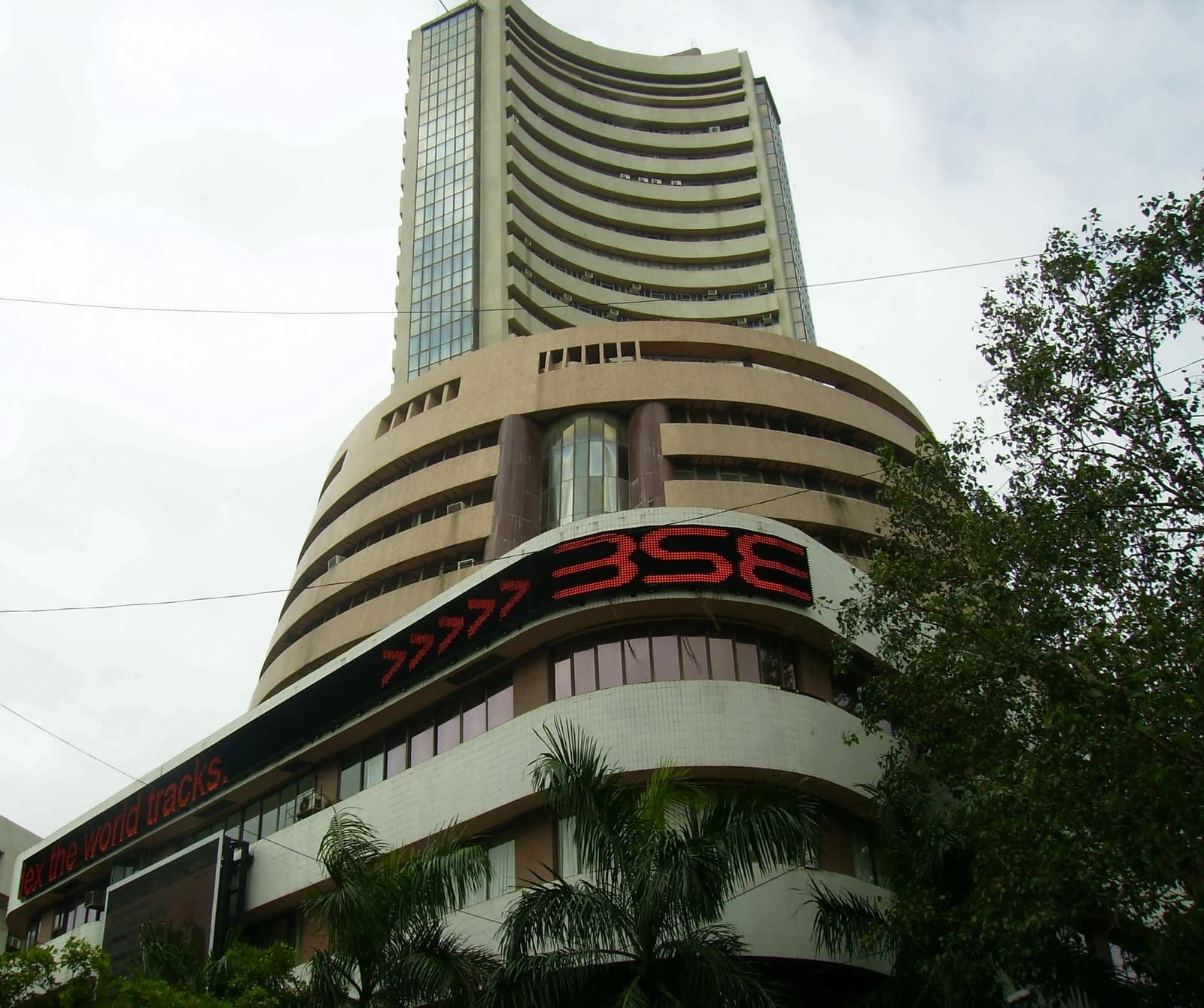
Indian equities recovered on Monday, with the Sensex gaining 299 points to 72,942.62 and the Nifty 50 ending at 22,824.05, even as both benchmarks remained below key moving averages and broader technical momentum stayed weak.
Sensex and Nifty Rise But Stay Below Key Averages
The rebound matters because it shows buyers are still willing to step in after a stretch of heavy swings that had knocked the Sensex and Nifty well below their 50-day and 200-day moving averages. For investors, that suggests the selloff has not yet turned into a full-scale capitulation, but neither has it resolved into a durable uptrend. The market is still trading in a fragile range where short-covering, bargain hunting and dips in global risk aversion can spark sharp relief rallies.
Sentiment IndicatorsⓘProprietary · adalytica.com · September 28, 2026
This is a snapshot — live sentiment, awareness and momentum for 130+ markets update continuously in the dashboard.Open AlphaPulse
The Sensex’s close was still below its 50-day average of 76,601.03 and its 200-day average of 78,559.19. The Nifty 50 also finished under both averages, at 22,824.05 versus 23,964.25 and 24,407.12 respectively. RSI readings of 25.4 for the Sensex and 26.5 for the Nifty point to an oversold market, while negative MACD readings underline that the broader trend has not yet turned decisively positive. In other words, the day’s advance looked more like a technical bounce than a confirmation of a lasting recovery.
That distinction matters for portfolios. A market trading below long-term averages is usually vulnerable to renewed selling if macro or geopolitical concerns intensify. But oversold conditions can also provide a floor for selective buying, especially in sectors that have already been punished. Recent action has shown that when selling pressure eases, domestic stocks can recover quickly, with metals and realty among the areas attracting attention during earlier rebounds.
The backdrop remains one of heightened sensitivity to global cues, including US dollar moves, bond-market pressure and geopolitical developments. Adalytica’s S&P 500 Trade Signals snapshot showed extreme greed in US equities, while US dollar sentiment was neutral but its awareness gauge pointed to extreme fear, a mix that can keep cross-asset volatility elevated and spill into emerging markets. For India, that means foreign flows, rate expectations and risk appetite remain central to whether rebounds like Monday’s can extend.
For now, the key question is whether the Sensex and Nifty can reclaim their shorter-term averages and hold those levels on stronger participation. Until then, investors are likely to treat rallies as opportunities to reduce risk rather than evidence that the correction is over.
| Entity | Gains | Losses |
|---|---|---|
| Bargain hunters | ▲Buy oversold names | ▼Face failed rebounds |
| Long-only investors | ▲Lower entry levels | ▼Ongoing volatility |
| Short sellers | ▲Potential squeeze risk | ▼Momentum remains weak |
| Indian exporters | ▲Any weaker rupee support | ▼Global demand uncertainty |