Seoul’s rising apartment prices are set to push non-resident comprehensive real estate tax bills sharply higher, with a KB Kookmin Bank simulation showing the average tax per apartment jumping to 8.9 times this year’s level by 2030 if current price gains continue.
Seoul apartment taxes to rise by 2030

The shift matters because it suggests property taxation is becoming less of a high-end Gangnam issue and more of a citywide cost for ordinary owners and investors. As prices compound, more apartments in non-Gangnam districts cross the threshold for Korea’s holding tax, widening the pool of taxable homes even after recent tax changes briefly reduced the number of affected units.
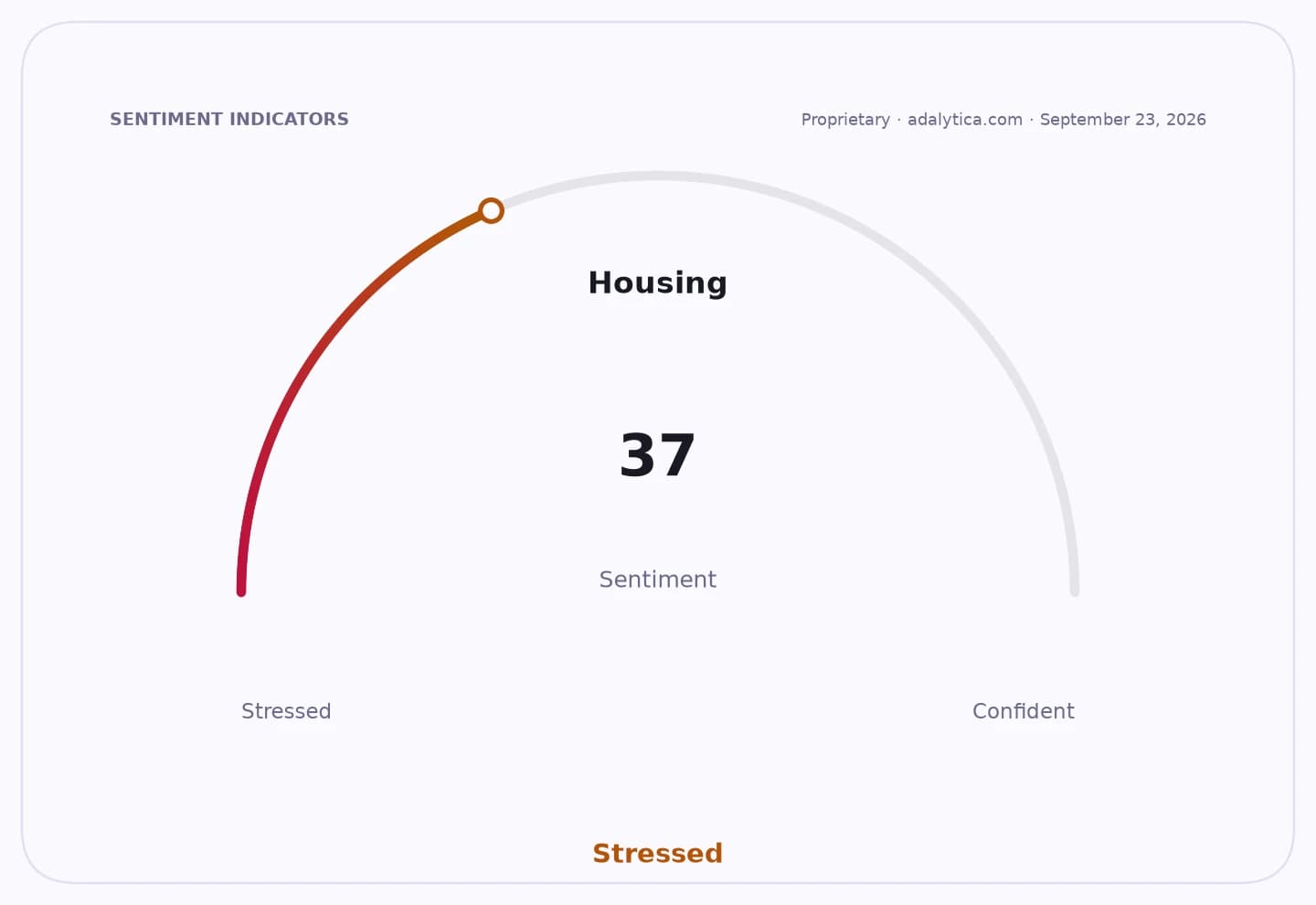
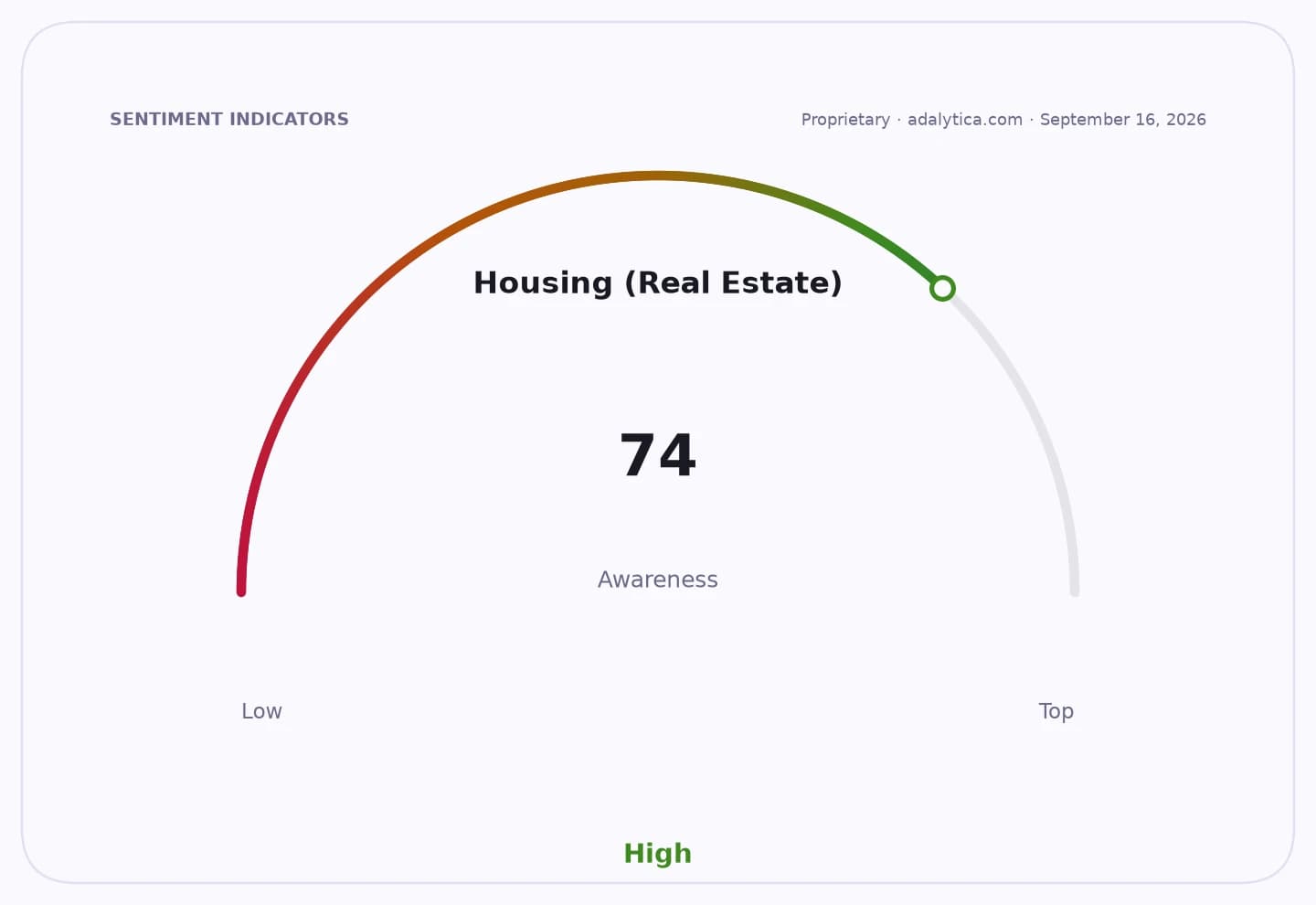
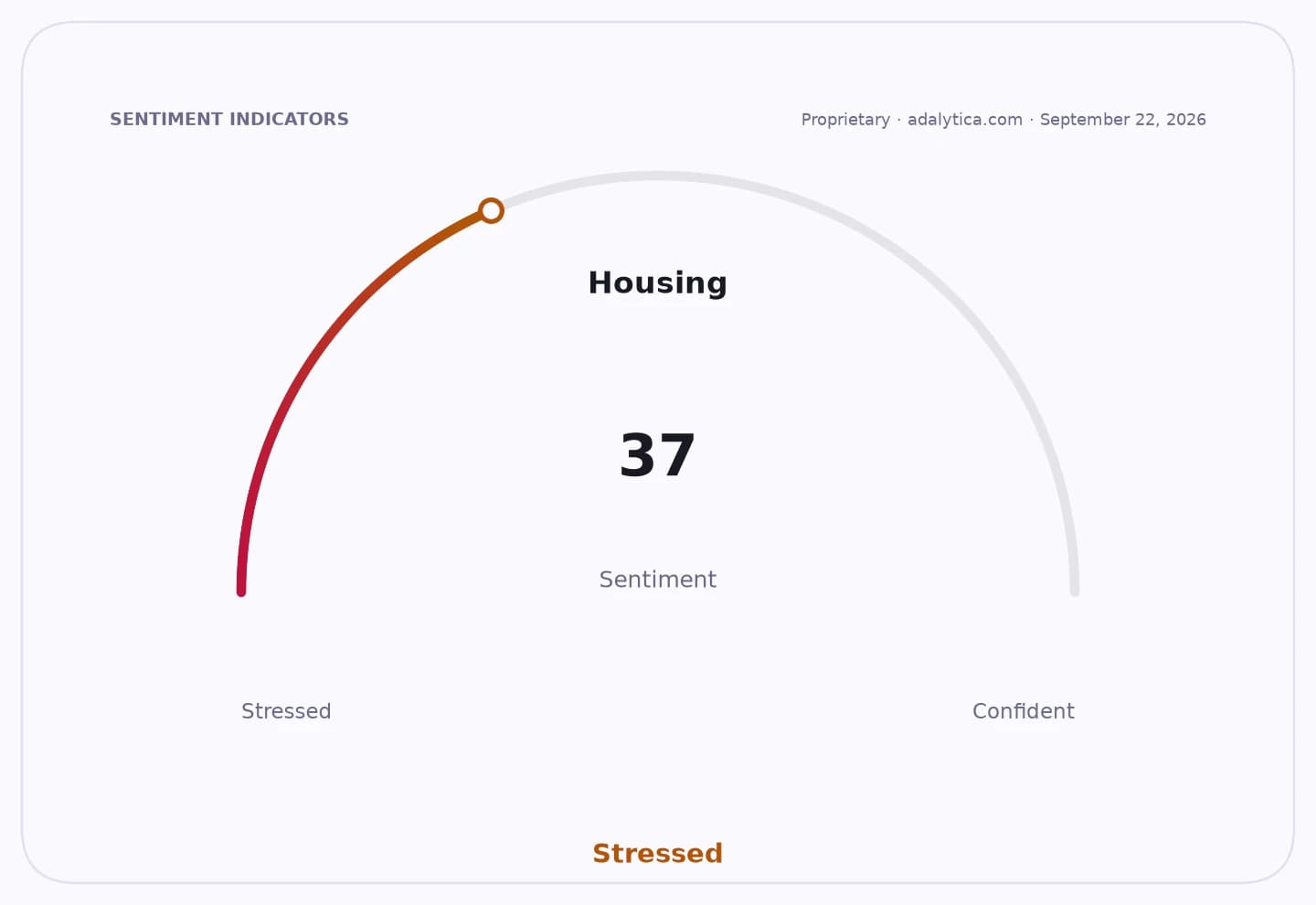
Sentiment IndicatorsⓘProprietary · adalytica.com · September 6, 2026
This is a snapshot — live sentiment, awareness and momentum for 130+ markets update continuously in the dashboard.Open AlphaPulse
According to the simulation analysed from the top five KB-priced apartment complexes in each of Seoul’s 25 districts, 78 of the 125 sampled complexes are taxable this year. If Seoul apartment prices keep rising at the past year’s pace of 11%, that figure would increase to 101 by 2030, with taxable homes appearing in all districts except Gangbuk, Geumcheon and Dobong. Even if price growth slows to half that rate, tax burdens still climb materially, underscoring how sensitive the system is to valuation gains rather than policy intentions alone.
The expansion is especially striking in districts that currently face little or no comprehensive real estate tax. In the sample, 47 complexes that are exempt today would start paying by 2030, including more than a dozen in non-core districts such as Eunpyeong, Guro, Seongbuk and Gangseo. One Eunpyeong complex, DMC SK View, would pay about 1.13 million won in 2030 after first becoming taxable in 2029. On average, the tax per apartment would rise from about 951,000 won this year to 8.43 million won under the non-resident 기준, while the resident-owner calculation also rises to about 5.55 million won.
For investors, the implications run through yields, affordability and asset allocation. Higher holding taxes lower net rental returns and can pressure marginal demand from buyers who rely on future price appreciation to justify ownership. That is particularly relevant in Seoul’s outer districts, where tax burdens are rising from a low base and may alter the relative appeal of owning versus renting. In the local market, the policy may also widen the gap between end-users and highly leveraged or speculative buyers, even as it does little to offset the broader price momentum driving tax reassessment.
The political and market narrative is straightforward: Korea’s property tax debate is shifting from a narrow redistribution tool to a structural market constraint. If home prices keep climbing, more households will enter the tax net regardless of whether they are in the traditional luxury corridors. That raises the odds of further policy revisions, and it keeps Seoul housing, particularly non-Gangnam apartment exposure, firmly on investors’ radar as a market where price gains can quickly be recycled into a heavier tax bill.
| Entity | Gains | Losses |
|---|---|---|
| Seoul government | ▲higher tax base | ▼affordability pressure |
| Non-taxable homeowners | ▲delayed burden | ▼future reassessment risk |
| Taxable apartment owners | ▲none | ▼higher carrying costs |
| Property investors | ▲potential price gains | ▼lower net yields |