Serbia’s central bank left the dinar broadly unchanged against the euro on Tuesday, underscoring a policy of exchange-rate stability that helps anchor prices, limit imported inflation and reduce volatility for households and businesses.
Serbia dinar stays steady against euro
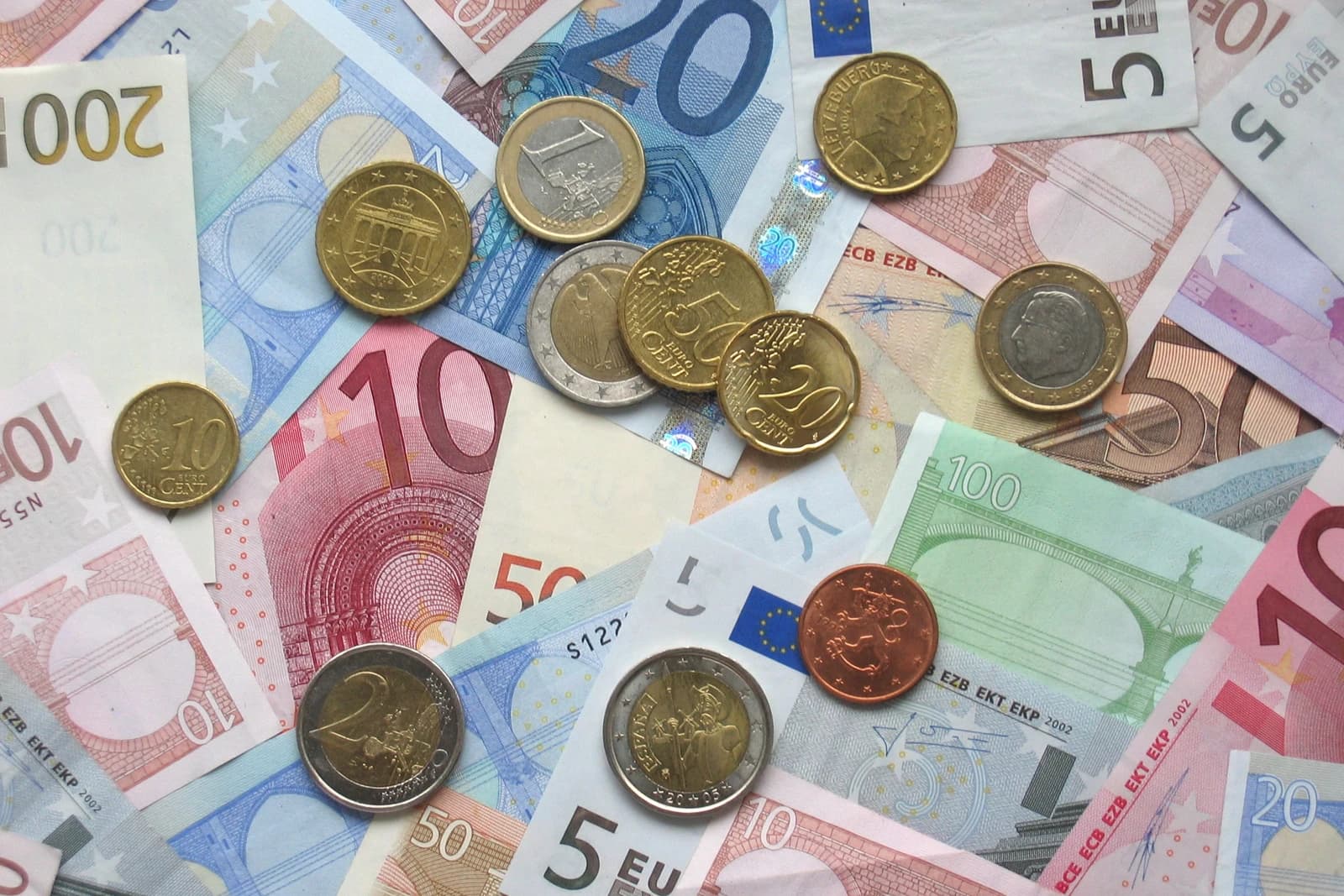
The National Bank of Serbia set the official middle exchange rate at 117.5698 dinars per euro, only a marginal move from Monday’s level. That puts the currency 0.1% weaker than a month ago, flat year on year and just 0.2% below the end-2025 level, a profile that suggests the bank is still successfully smoothing out pressure in the foreign-exchange market.
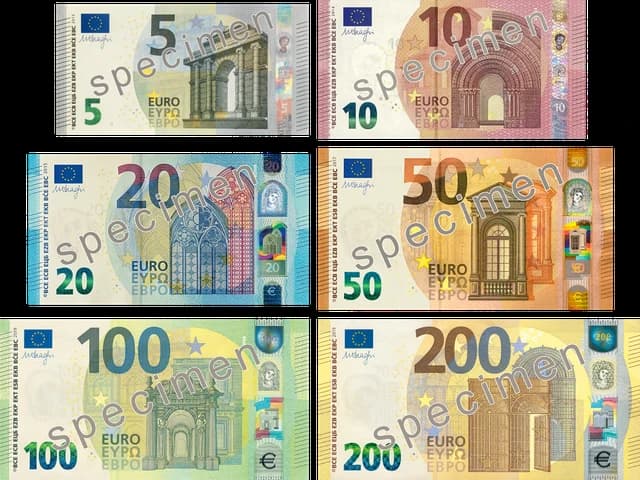
For investors, the key point is not the small daily move but the persistence of a tightly managed currency regime. A stable dinar supports the credibility of Serbia’s monetary policy, gives importers and consumers more predictable pricing and reduces the risk that exchange-rate swings feed into inflation. It also matters for local debt markets, where stability can help keep yields more contained by lowering the perceived policy risk premium.
The dinar’s steadiness comes as broader currency markets remain sensitive to shifts in global interest-rate expectations, especially the dollar-euro pair, but Serbia’s exchange rate is driven far more by domestic policy than by day-to-day moves in major currencies. The central bank’s willingness to keep the dinar in a narrow band has long been a feature of its anti-inflation strategy and a support for confidence in the financial system.
Against the dollar, the indicative dinar rate was 104.8981, down 0.5% on the day and 3.4% weaker than a year earlier, highlighting that Serbia’s currency remains exposed to external dollar strength even as it is held closely against the euro. That split matters for corporates with dollar liabilities and for energy and commodity import costs, which are typically priced in the US currency.
The near-term outlook still depends on whether the NBS is willing to continue using reserves and market intervention to defend the current pattern. For now, the message to markets is clear: Serbia is prioritizing stability over flexibility, and that remains supportive for inflation control, but it leaves the central bank carrying most of the burden if external shocks intensify.
| Entity | Gains | Losses |
|---|---|---|
| Serbian households | ▲More predictable prices | ▼Less currency upside |
| Importers and retailers | ▲Lower FX volatility | ▼Margin pressure from dollar costs |
| National Bank of Serbia | ▲Credibility and inflation control | ▼Reserve use and policy burden |
| Exporters with euro revenues | ▲Stable accounting and planning | ▼Limited benefit from currency weakness |