Serbia’s July inflation rate slipped below both the European Union and the eurozone, a rare relative outperformance that could support the case for steadier domestic pricing and easier policy conditions if the disinflation trend persists.
Serbia July Inflation Falls Below EU and Eurozone

According to the latest issue of the Macroeconomic Analysis and Trends, or MAT, newsletter, Serbia’s year-on-year inflation measured by the harmonized index of consumer prices fell to 2.2% in July from 3.0% in June. Over the same period, inflation in the EU rose to 3.0% from 2.9%, while the eurozone edged up to 2.9% from 2.8%.
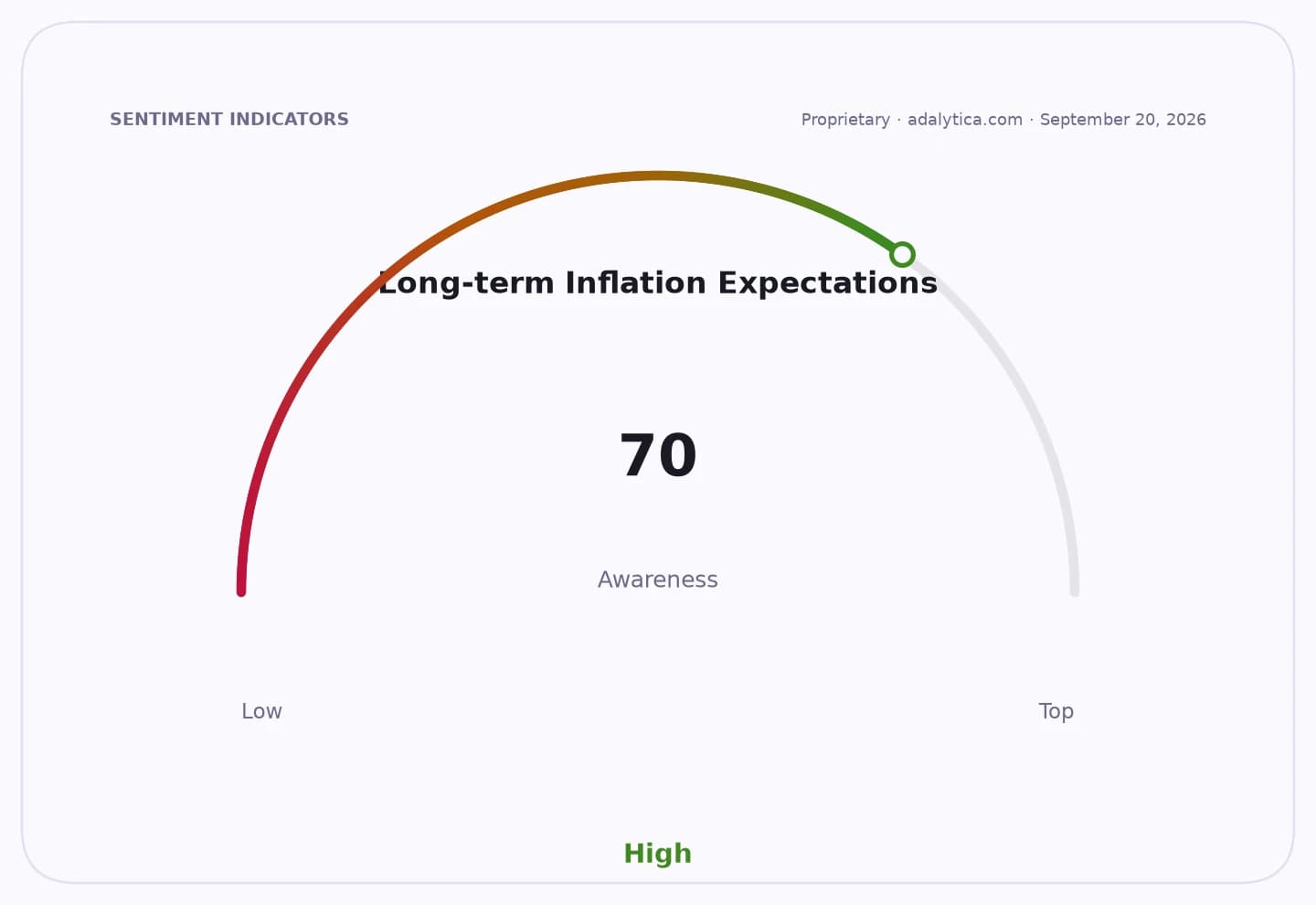
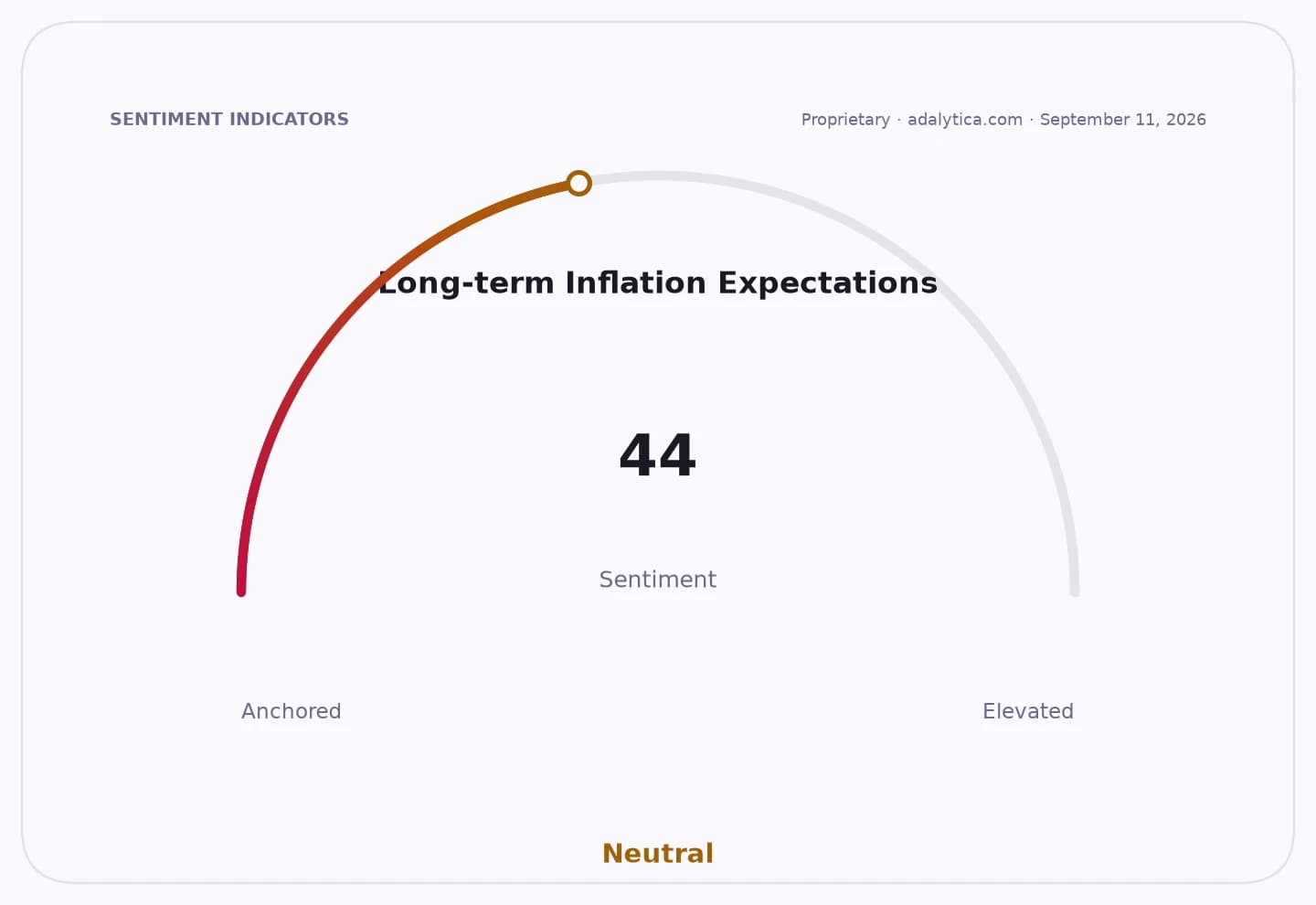
Sentiment IndicatorsⓘProprietary · adalytica.com · September 9, 2026
This is a snapshot — live sentiment, awareness and momentum for 130+ markets update continuously in the dashboard.Open AlphaPulse
The comparison matters because it shows Serbia moving ahead of its larger regional peers on the inflation front at a time when price pressures remain sticky across much of Europe. Among the EU’s 27 members, only six countries posted lower inflation than Serbia in July: Sweden, the Czech Republic, Hungary, Denmark, Estonia and Malta. At the other end of the spectrum, Romania recorded 8.2%, Lithuania 5.4%, and Bulgaria and Cyprus 4.4% each.
The composition of Serbia’s disinflation is even more important than the headline rate. MAT said food prices fell 1.4% year on year in June and 3.1% in July, while the EU still saw food inflation of 1.6% and 1.2% respectively. That helped pull Serbia’s overall rate below the bloc’s average, even as the country continued to post stronger gains in non-energy industrial goods and services.
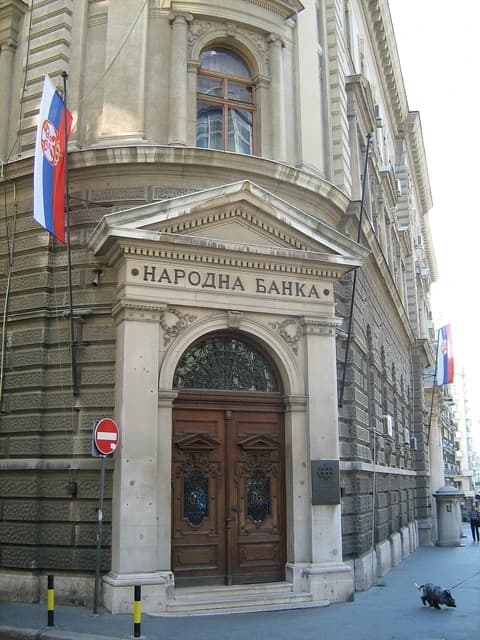
For policymakers, the reading is constructive. Lower inflation than the EU and eurozone can ease pressure on the National Bank of Serbia to keep rates restrictive for longer, especially if food prices continue to normalize and external shocks remain contained. For investors, the data reduces near-term macro risk, improves visibility on real incomes and may support domestic demand, though it also suggests the inflation mix is not uniformly benign given persistent services and core goods pressure.
The key question is whether Serbia can keep inflation near this lower level while the region’s price trend remains uneven. If food deflation persists and energy costs stay contained, Serbia could preserve one of the more favorable inflation profiles in emerging Europe. If services inflation stays elevated, however, the improvement may prove narrower than the headline suggests.
| Entity | Gains | Losses |
|---|---|---|
| Serbian consumers | ▲Lower grocery prices | ▼Less wage catch-up pressure |
| National Bank of Serbia | ▲More room on rates | ▼Less urgency to tighten |
| Domestic fixed-income investors | ▲Better real returns outlook | ▼Limited upside if growth slows |
| Eurozone/EU peers | ▲None | ▼Relative inflation lead slips |