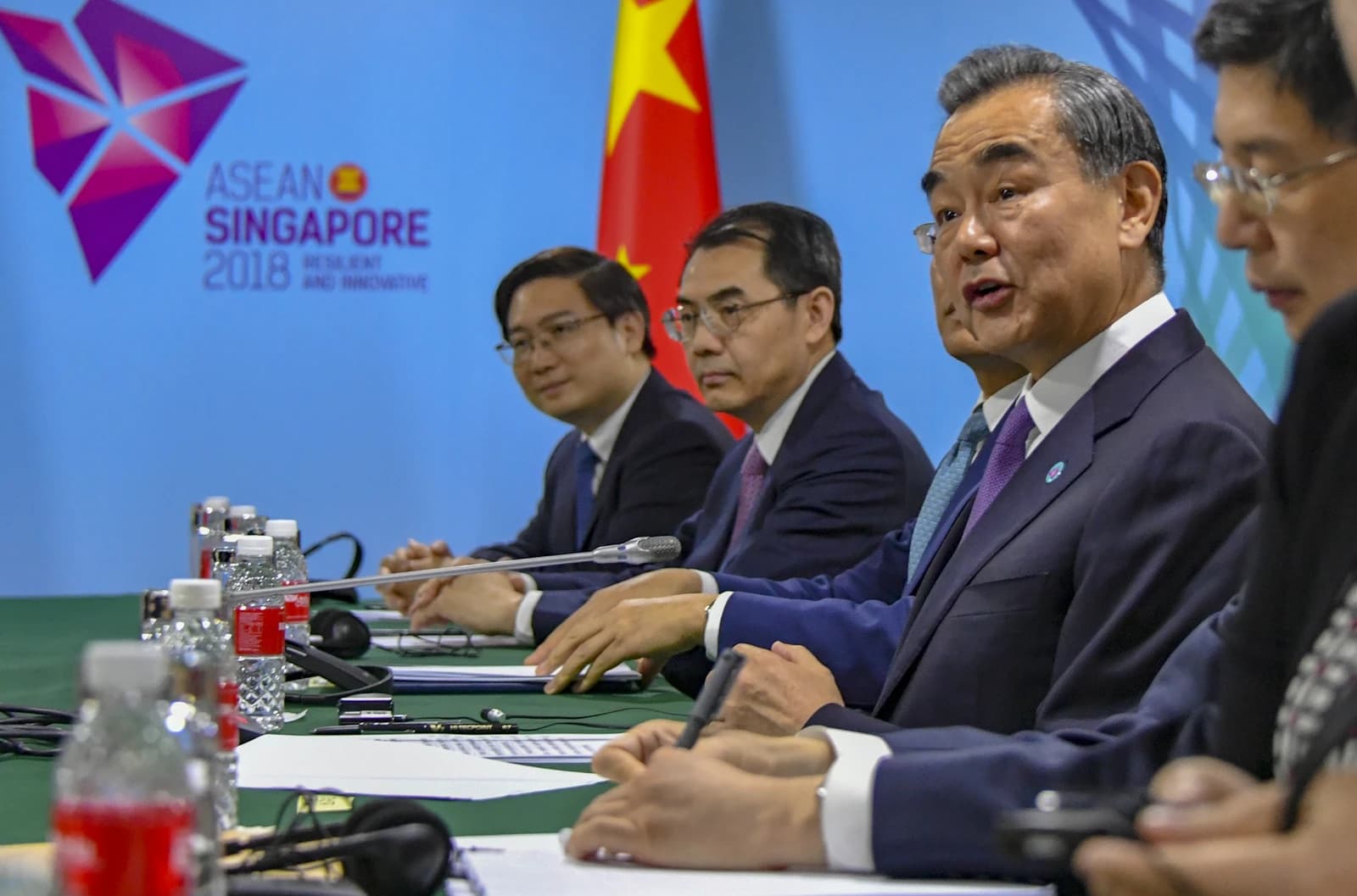
Singapore and China are tightening one of Asia’s most commercially important relationships, signing 29 new agreements that could grease trade, widen food supply options and make cross-border payments easier for companies and travelers.
Singapore-China Deal Expands Trade, Payments Links
That matters because this is not just diplomatic theater. The package, announced at the 22nd Joint Council for Bilateral Cooperation meeting, points to a more practical integration playbook: digital trade, smart customs, faster payment links, industrial corridors and sector-specific cooperation in health, agriculture and sports. For investors, the message is that Singapore is doubling down on its role as the preferred gateway between China and Southeast Asia at a time when firms are reworking supply chains, financing and market access.
Sentiment Indicators
One of the most immediate commercial changes is food trade. Singapore approved imports of frozen and chilled chicken, as well as shell eggs, from Hainan, making the Chinese island province the first in the country to win such clearance. The move gives Singapore consumers more supply options while opening a fresh export channel for Hainan producers, including the prized Wenchang chicken. In a region where food security has become a strategic issue, even modest diversification of supply chains has economic value.
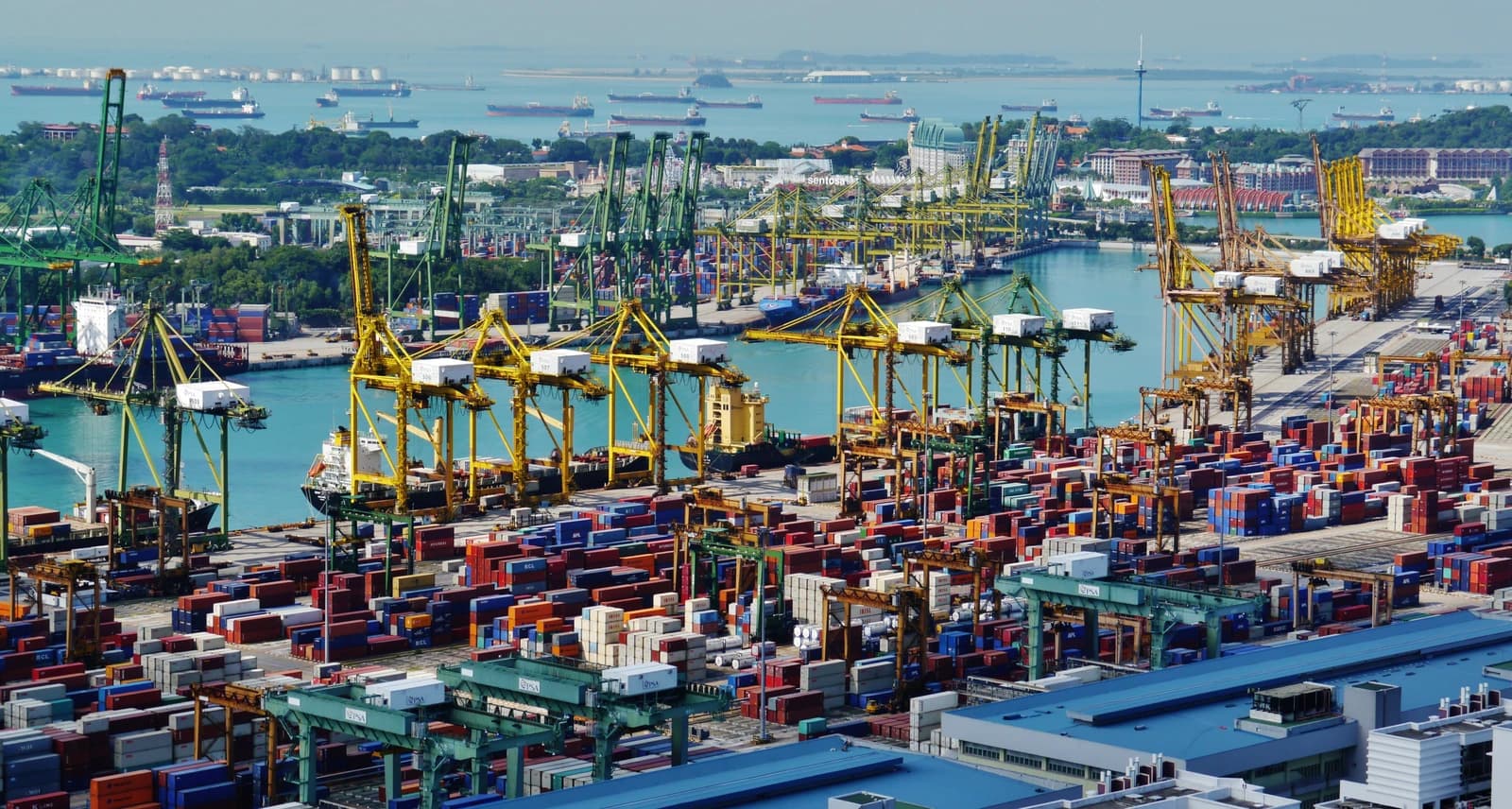
The bigger investment story, though, is the infrastructure around trade. Singapore, China and Chongqing are advancing digital trade cooperation to digitize documents and recognize electronic paperwork across borders, while a separate smart customs pact should speed inspections and reduce friction. Those are the kinds of unglamorous reforms that lower transaction costs and support higher trade volumes over time. If they work, the winners are logistics firms, payment processors, trade finance providers and industrial landlords with exposure to China-ASEAN flows.
The two sides are also exploring links between fast-payment systems to ease small-value transfers, tourism spending and business payments. That has implications beyond convenience. A smoother payment bridge could encourage more cross-border e-commerce, support SMEs and expand the use of local-currency settlement in bilateral commerce. In market terms, it fits a broader de-dollarization-by-necessity theme that is slowly reshaping Asian trade finance.
For Singapore, the deal flow reinforces its strategic edge as a neutral, rules-based platform for capital and commerce even as global geopolitics stay tense. The city-state is not choosing sides; it is monetizing connectivity. That makes Singapore-linked logistics, financial infrastructure and industrial property names attractive beneficiaries if bilateral activity accelerates.
The stock market is already telling part of that story. The iShares MSCI Singapore ETF has held above its long-term trend even after recent weakness, suggesting investors still see Singapore as a relative safe harbor in a choppy regional tape. Broader China exposure, by contrast, remains under pressure, with the FXI China ETF trading well below its 50-day and 200-day moving averages and momentum still negative. That divergence underscores the market’s preference for jurisdictions that can capture China-linked commerce without taking on the same policy and earnings risk.
The strategic backdrop is also improving. Beijing and Singapore have started talks on upgrading their free trade agreement, which would deepen economic and potentially security cooperation. Combined with the new agreements, that suggests a multi-year effort to expand the bilateral corridor rather than a one-off diplomatic reset.
The investment takeaway is straightforward: the market may be underestimating Singapore’s leverage as the critical toll road for China-Southeast Asia trade. Investors looking for asymmetric exposure should focus on Singapore-facing logistics, industrial, payments and trade-enablement names, while using China broad-market exposure more selectively. The next catalysts are likely to come from the FTA upgrade talks, implementation of digital trade rules and any expansion of yuan-linked financing.
| Entity | Gains | Losses |
|---|---|---|
| Singapore logistics and trade facilitators | ▲Higher cross-border volumes | ▼Less friction premium |
| Hainan food exporters | ▲New Singapore market access | ▼Dependence on approvals |
| Singapore consumers | ▲More food supply options | ▼None material |
| FXI China equities | ▲Limited boost from deal headlines | ▼Continued macro skepticism |