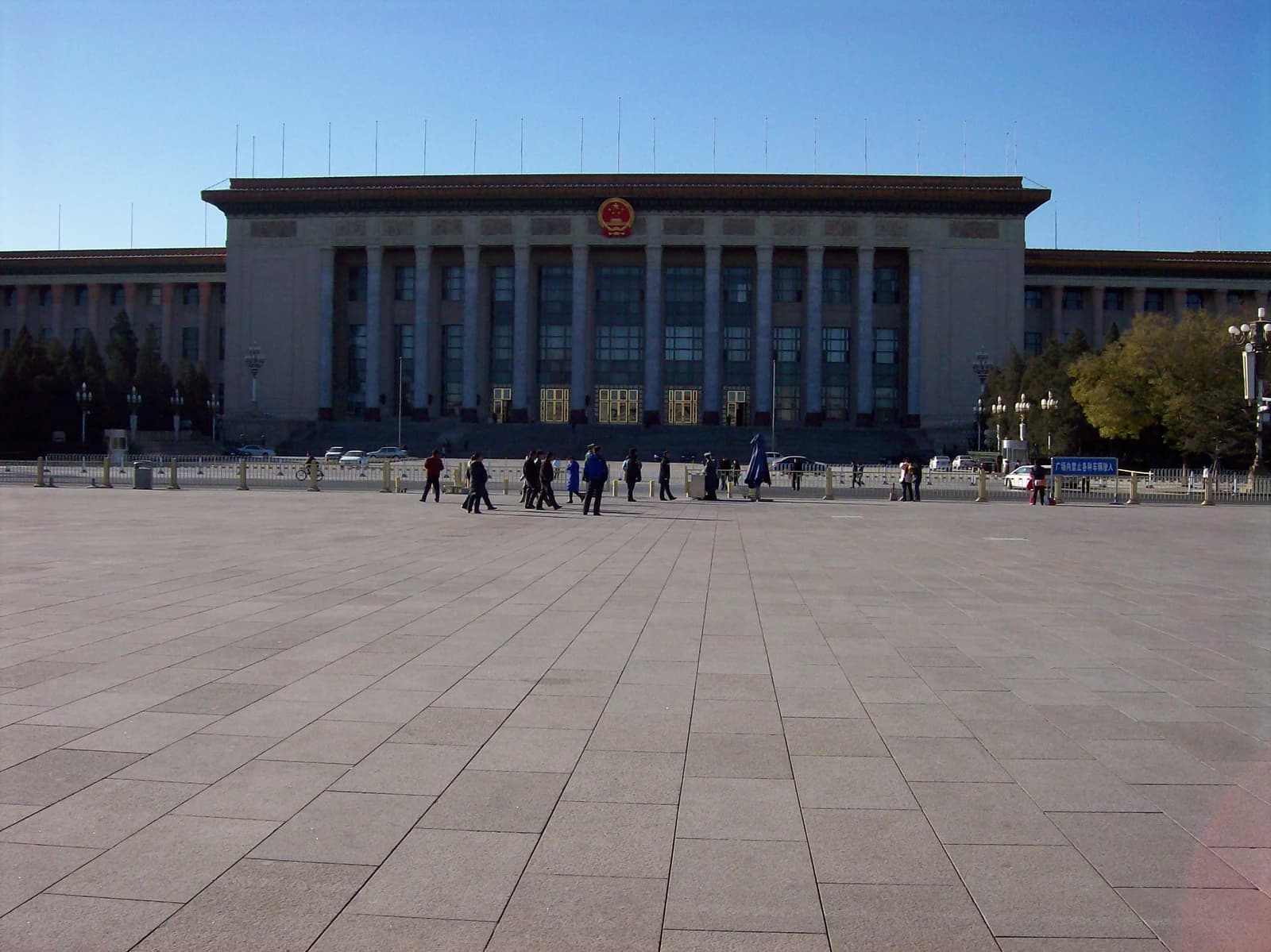
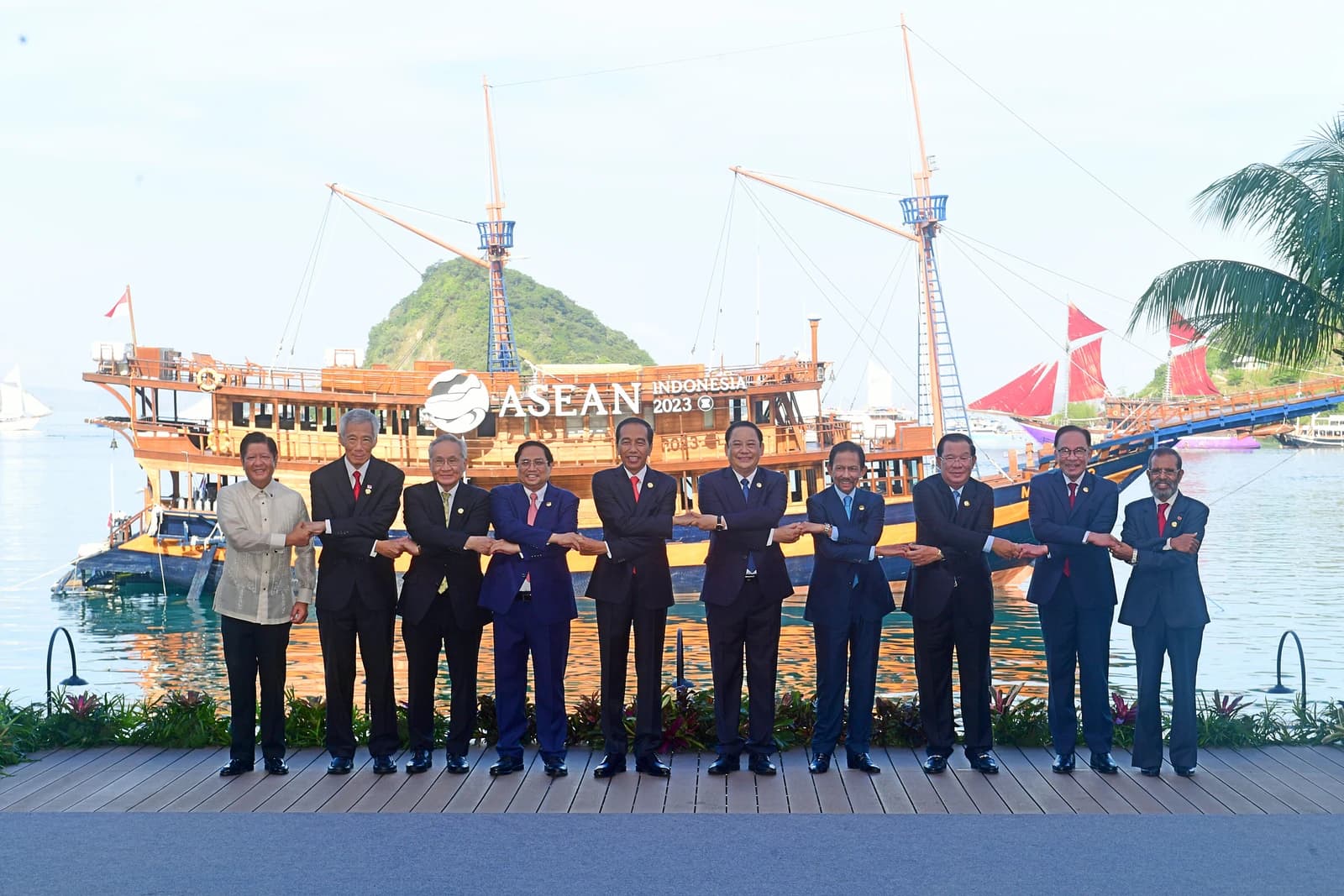
China and Vietnam are using this week’s APEC gathering in Shenzhen to accelerate a relationship that is increasingly shaped by trade, technology and regional security, with Xi Jinping and Vietnam’s To Lam pledging closer cooperation as both governments seek stability in a turbulent Asia-Pacific.
China, Vietnam Deepen Trade and Tech Ties at APEC
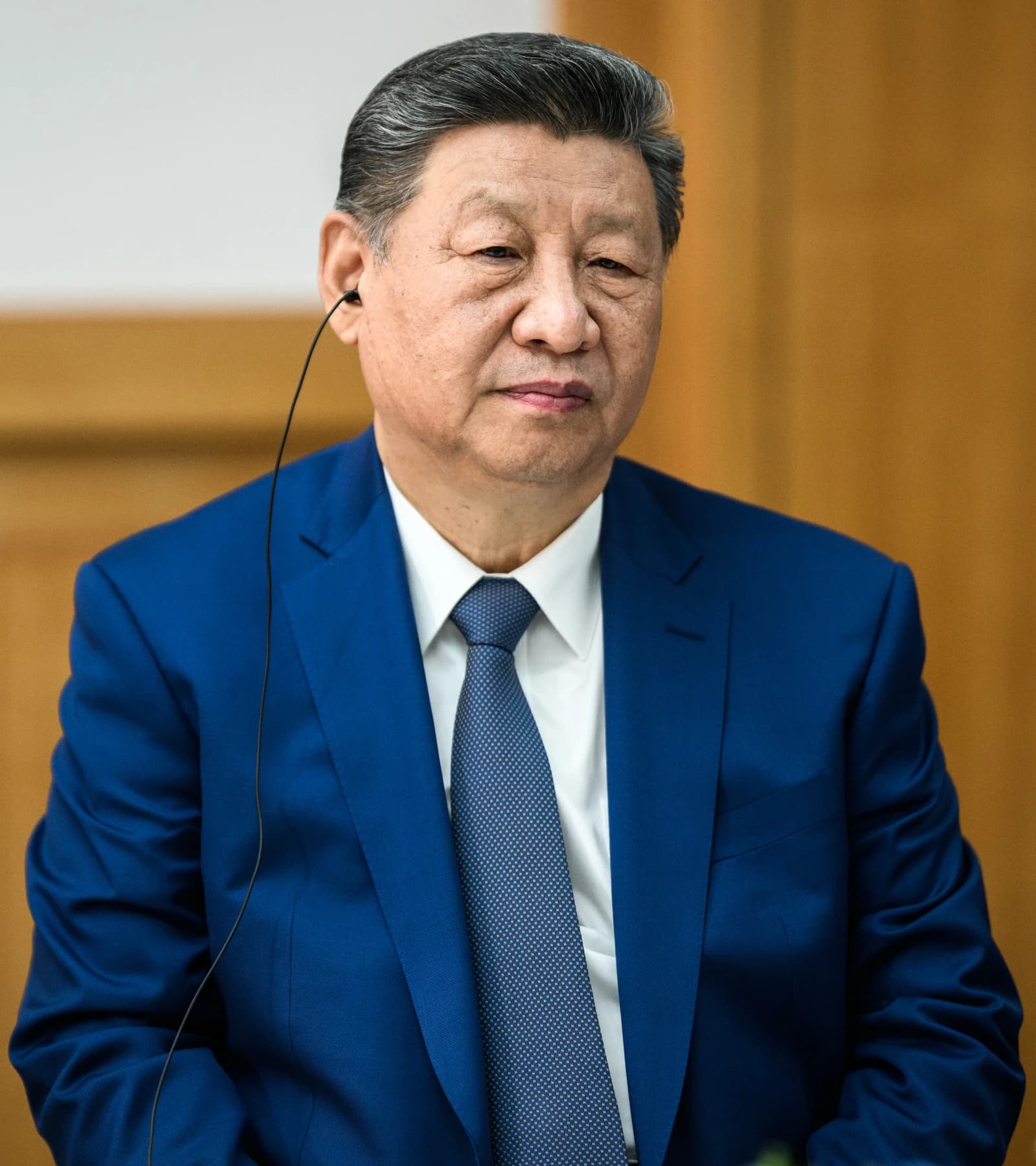
The meeting matters because China remains Vietnam’s biggest trading partner and a critical source of industrial inputs, while Vietnam has become one of the main beneficiaries of supply-chain diversification away from China. Any move to smooth ties, expand connectivity and reduce friction can support cross-border manufacturing, logistics and investment flows across the region.
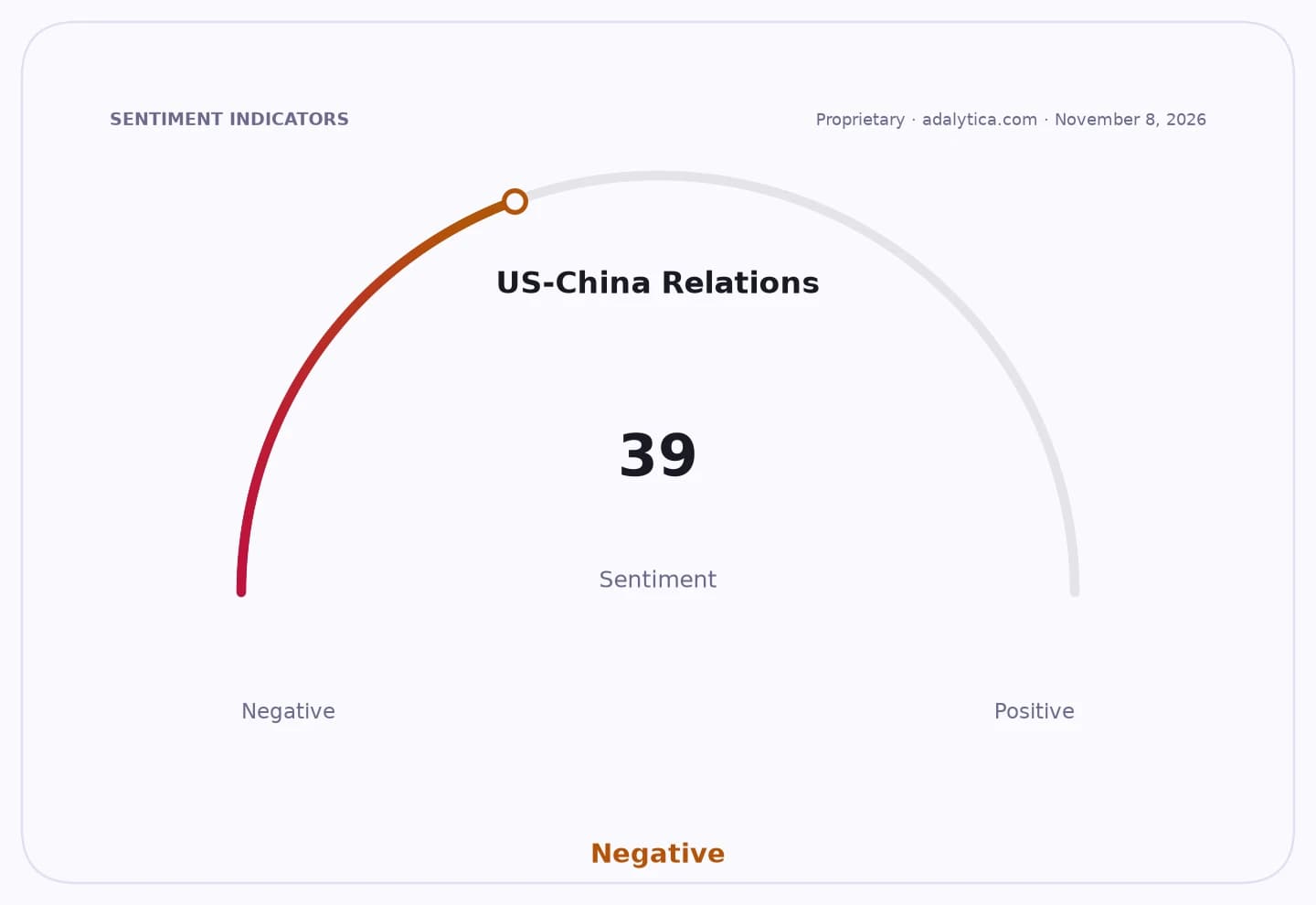
Sentiment Indicators
The two sides also used the Shenzhen visit to broaden practical cooperation. Vietnam and China co-sponsored four joint research projects and signed multiple strategic technology agreements at a Vietnam-Greater Bay Area Technology and Innovation Connection Forum, a sign that the relationship is moving beyond symbolism toward applied economic collaboration.
Security discussions ran in parallel, underscoring that trade ties are being reinforced by a wider political effort to manage risks. For investors, that mix is important because lower geopolitical noise between the two countries can help protect regional supply chains, improve visibility for exporters and importers, and support sentiment toward Asia manufacturing names.
Market signals around China remain cautious. Adalytica’s China CCP Policy Direction sentiment gauge stands at 29, or “Fear,” while US–China Relations sentiment is at 14, or “Extreme Fear,” even as awareness readings remain elevated. That suggests investors are still treating the broader China policy backdrop as unstable despite the diplomatic optics in Shenzhen.
Among China-linked exchange-traded funds, FXI fell to $32.88 on Nov. 17 from $33.32 a day earlier, with its 50-day moving average at $33.81 and the 200-day average at $35.20. Vietnam-focused VNM also slipped to $16.67, below its 50-day average of $17.00, showing that China-Vietnam cooperation has not yet been enough to lift regional risk appetite.
The next catalyst is whether the Shenzhen meetings translate into follow-up contracts, financing and supply-chain commitments after APEC, and whether the two governments can turn warmer rhetoric into a more durable framework for trade and technology cooperation.
| Entity | Gains | Losses |
|---|---|---|
| China | ▲Regional trade leverage | ▼Geopolitical friction |
| Vietnam | ▲Technology access | ▼Exposure to external shocks |
| Exporters and manufacturers | ▲Supply-chain stability | ▼Policy uncertainty |
| FXI and China equities | ▲Diplomacy premium | ▼Risk-off selling |