Asean and China are still trying to turn a long-delayed South China Sea code of conduct into something real, and that matters because every month without a deal keeps a flashpoint for trade, energy and military risk firmly in play.
ASEAN China South China Sea code talks remain stuck
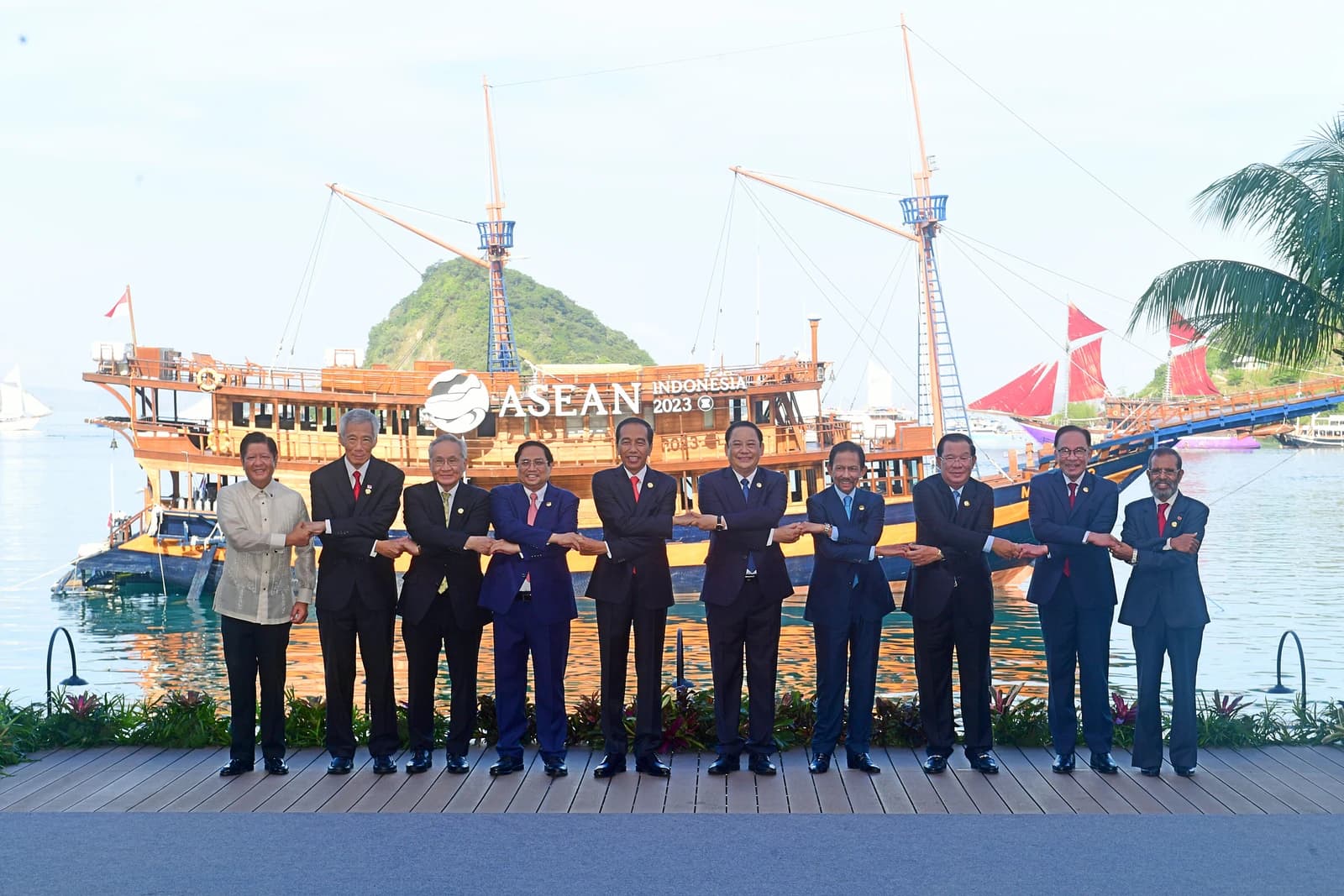
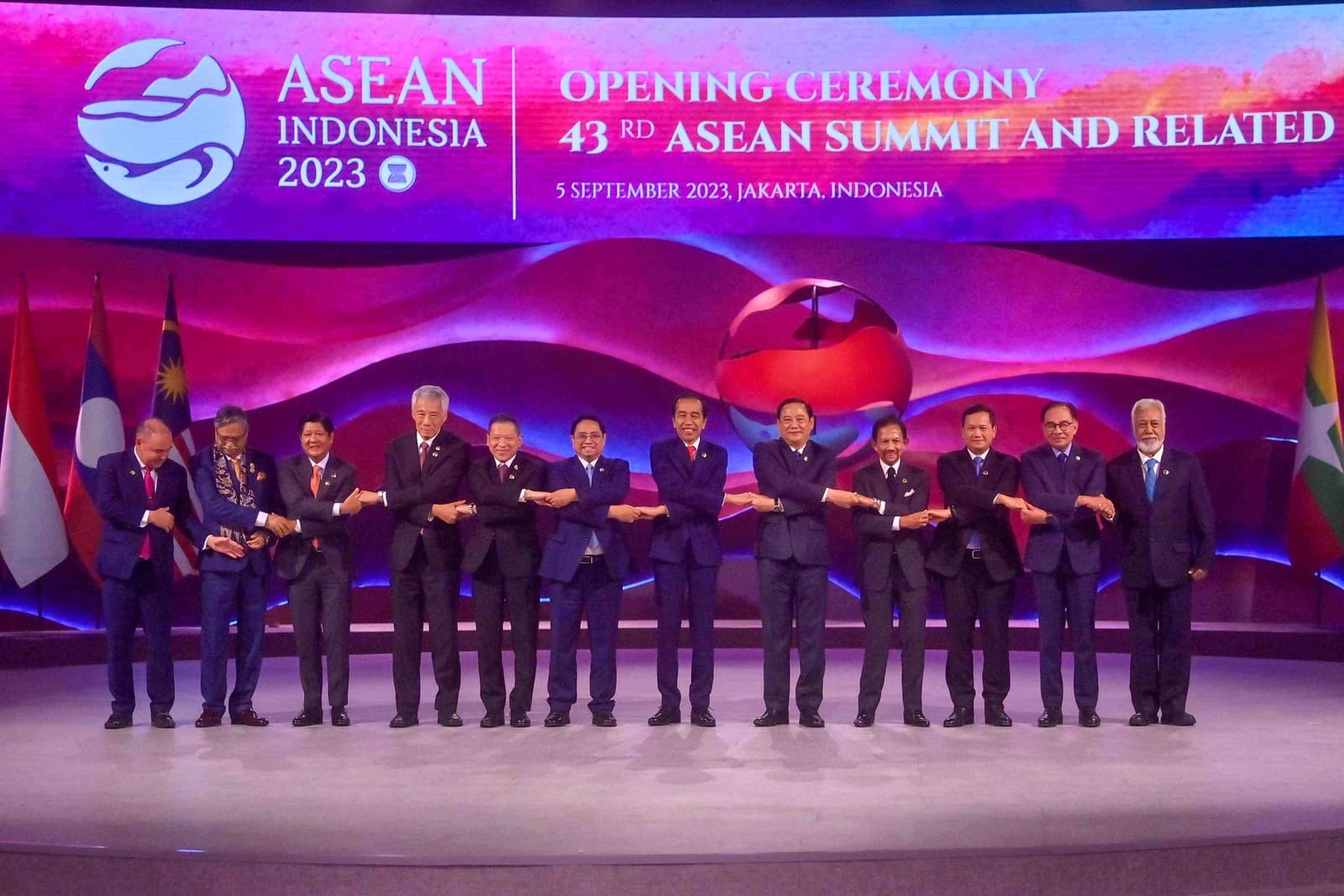
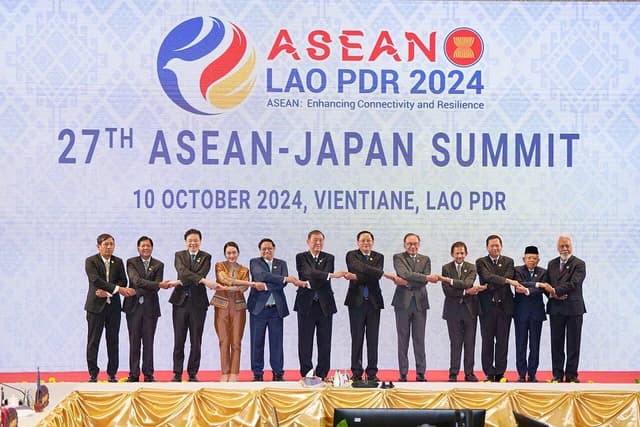
Philippine President Ferdinand Marcos Jr. said the two sides reaffirmed a “firm commitment” to finish an effective and substantive code of conduct, even though the accord was not completed at the 49th Asean summit and related meetings as hoped. Marcos said negotiators have already closed about 85% to 90% of the text, with the remaining gaps centered on definitions and other technical points, but those details are exactly what has kept the talks alive since 2002.
Sentiment Indicators
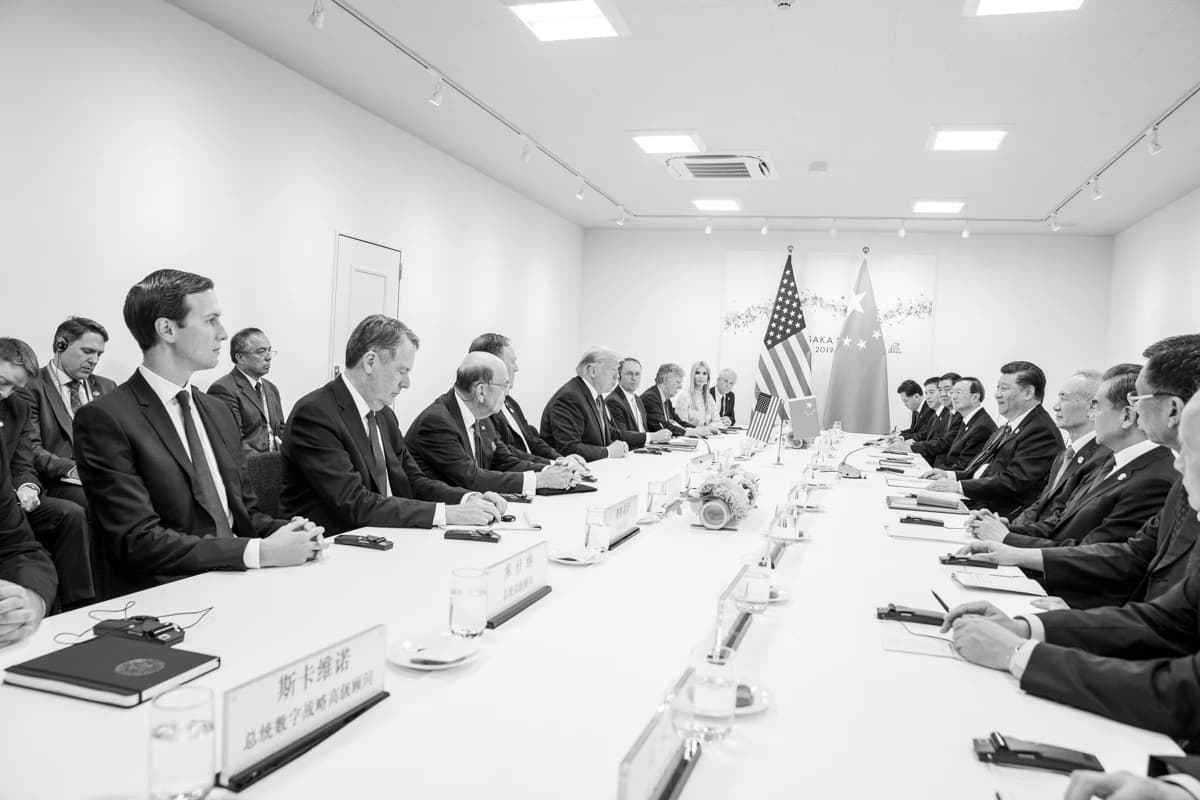
For investors, the significance is bigger than diplomacy. The South China Sea sits at the crossroads of global shipping and is tied to disputed reefs and waters believed to hold gas and mineral resources. Any durable rules framework would help reduce the odds of a confrontation that could rattle regional supply chains, energy routes and broader sentiment toward Asia. The lack of a final deal leaves that premium in place.
That uncertainty also helps explain why markets remain sensitive to every sign of thaw or friction between China and its neighbors. China-focused exchange-traded funds have been volatile, with the iShares China Large-Cap ETF, FXI, slipping to $32.88 on Nov. 17 from $33.48 three sessions earlier, while the iShares MSCI Emerging Markets ETF, EEM, fell to $58.27 from $60.92 over the same stretch. Those moves are small in isolation, but they reflect a market still wrestling with geopolitics rather than just growth and earnings.
Geopolitical Risk
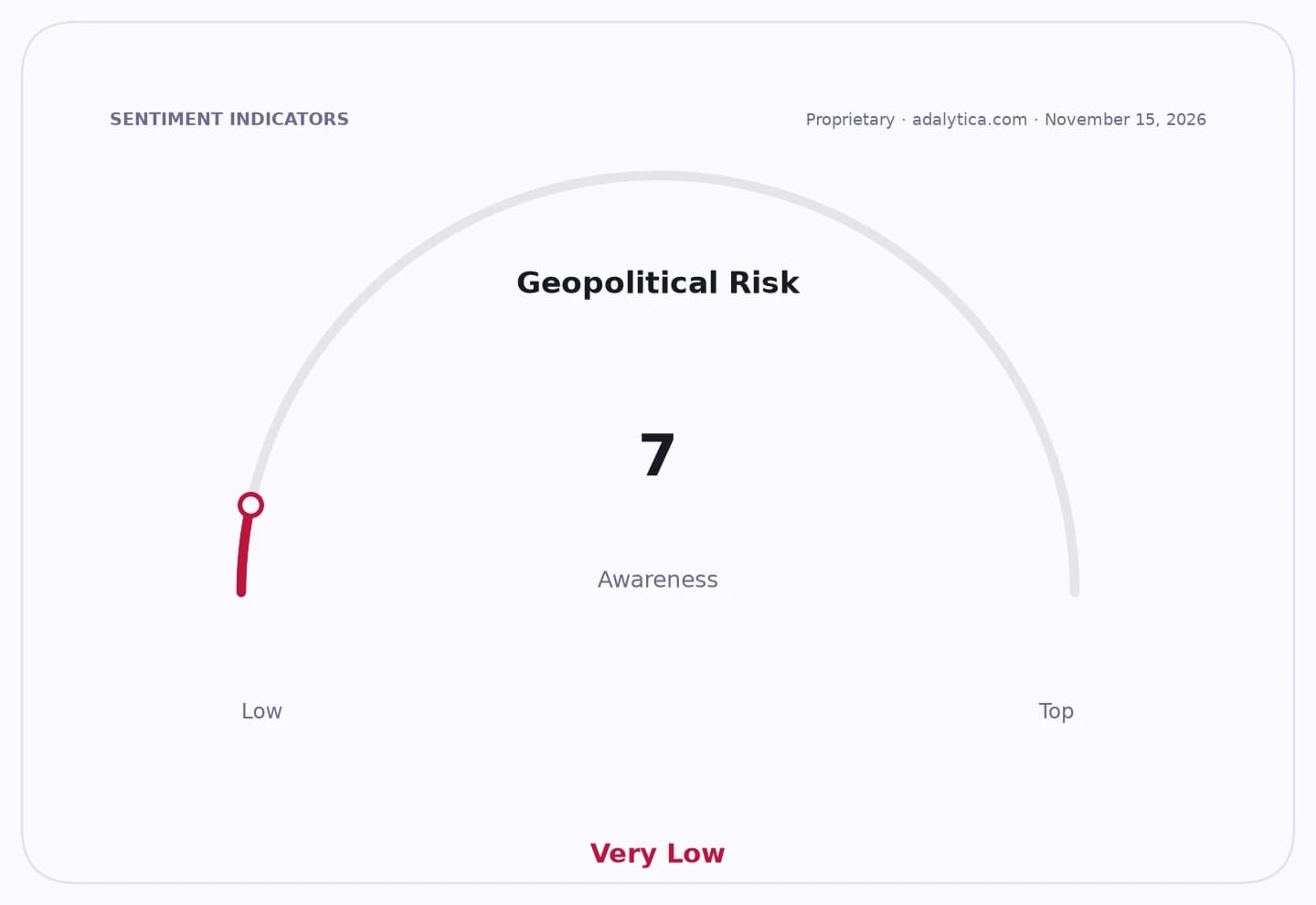
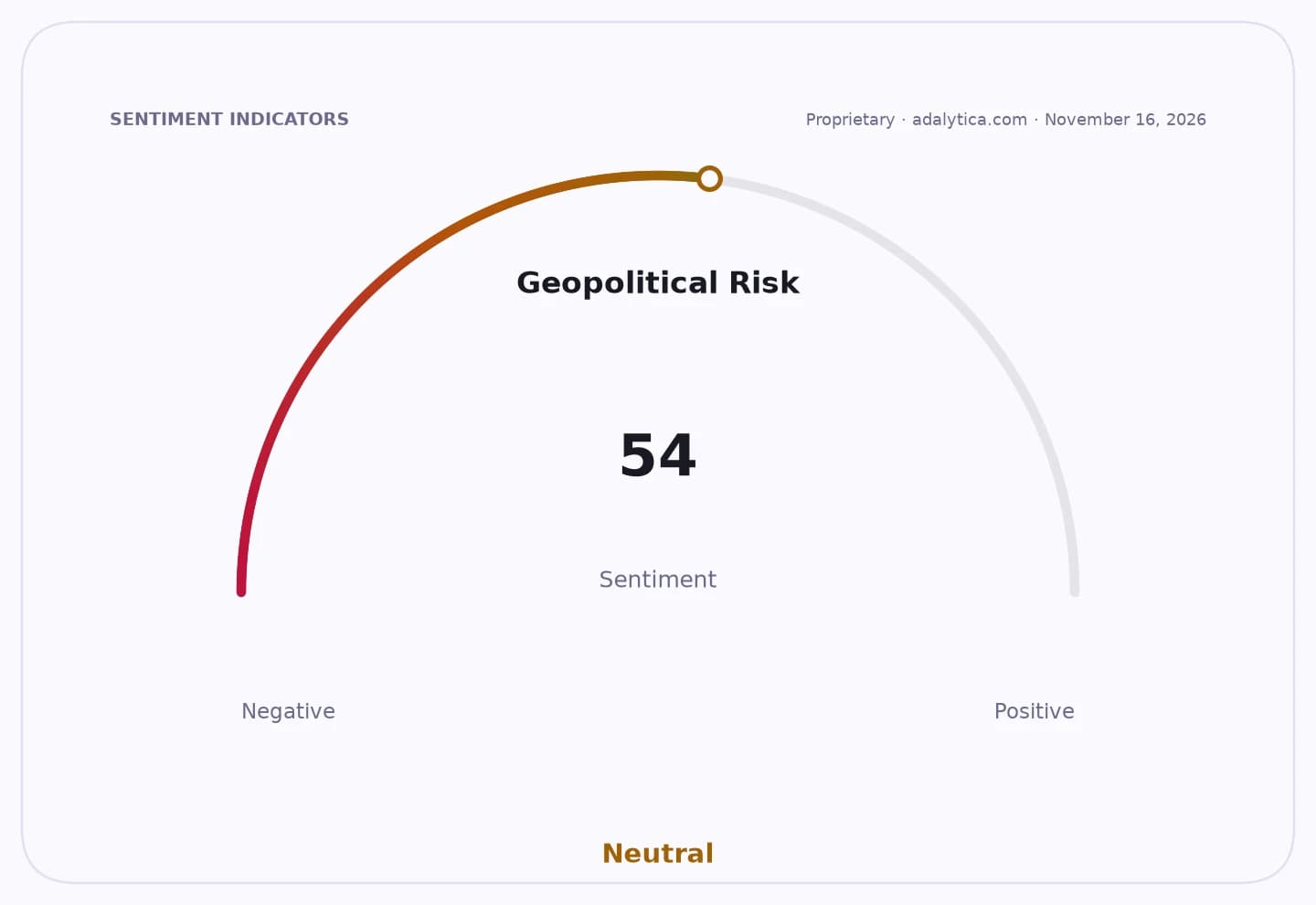
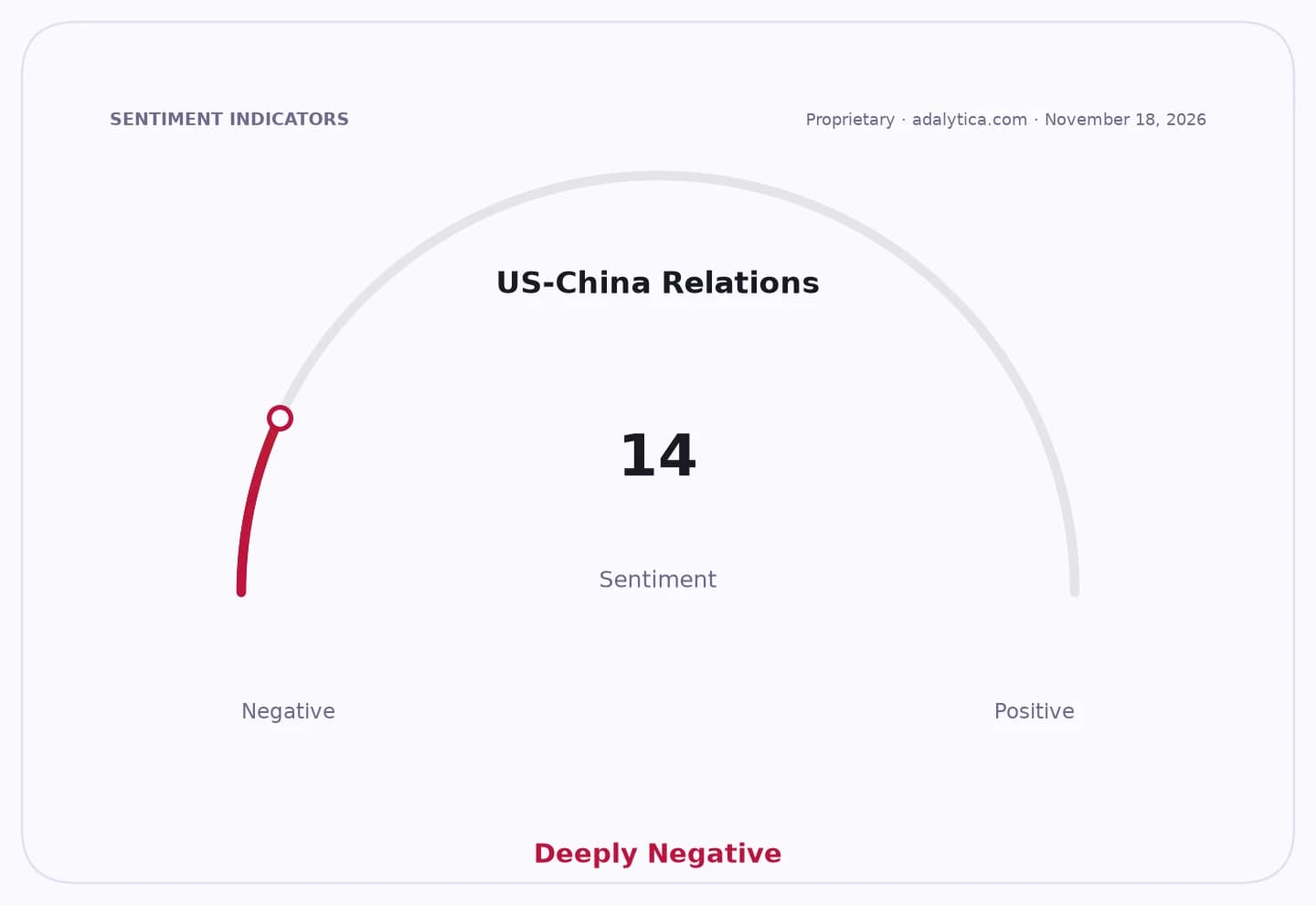
At the same time, the mood on security risk is deteriorating. Adalytica’s Global Stability Sentiment gauge sat at 4.0, or “Extreme Fear,” while its US–China Relations Sentiment gauge showed 14.0, also “Extreme Fear.” That is not a trading signal in itself, but it captures the backdrop: investors are pricing in a world where diplomacy is fragile and a misstep in the Western Pacific can quickly spill into markets.
The longer-term takeaway is straightforward. A finalized code of conduct would not erase the South China Sea dispute, but it could lower the odds of escalation and make the region more investable over time. Until then, the better read for investors is that Asia’s geopolitical risk premium is still alive, and any progress on the code should be treated as a constructive, if gradual, step toward stability.
| Entity | Gains | Losses |
|---|---|---|
| Asean members | ▲More stability | ▼Less leverage if talks drag on |
| China | ▲Diplomatic credibility | ▼Pressure to compromise |
| Regional investors | ▲Lower risk premium | ▼Ongoing uncertainty |
| Dispute hardliners | ▲Little | ▼Reduced room for brinkmanship |